Last updated October 30, 2026
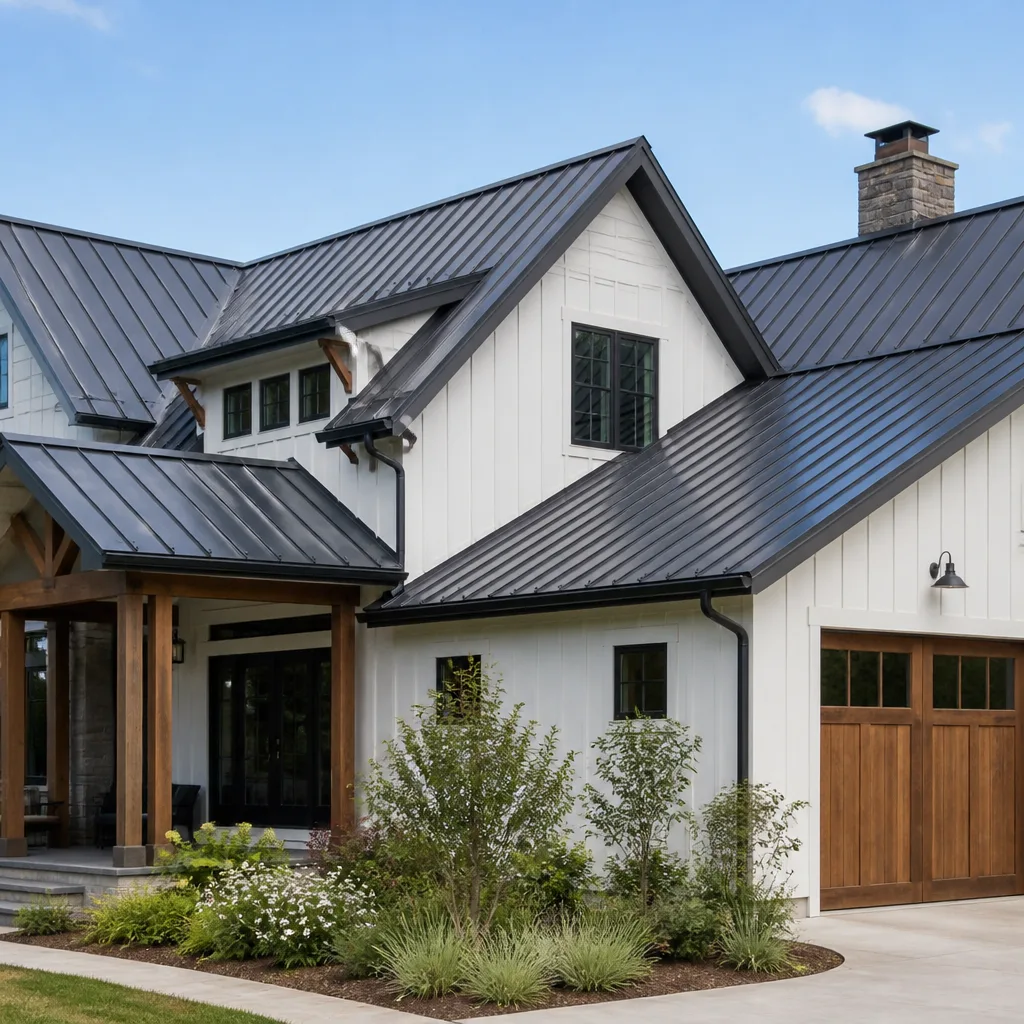 Metal roofing
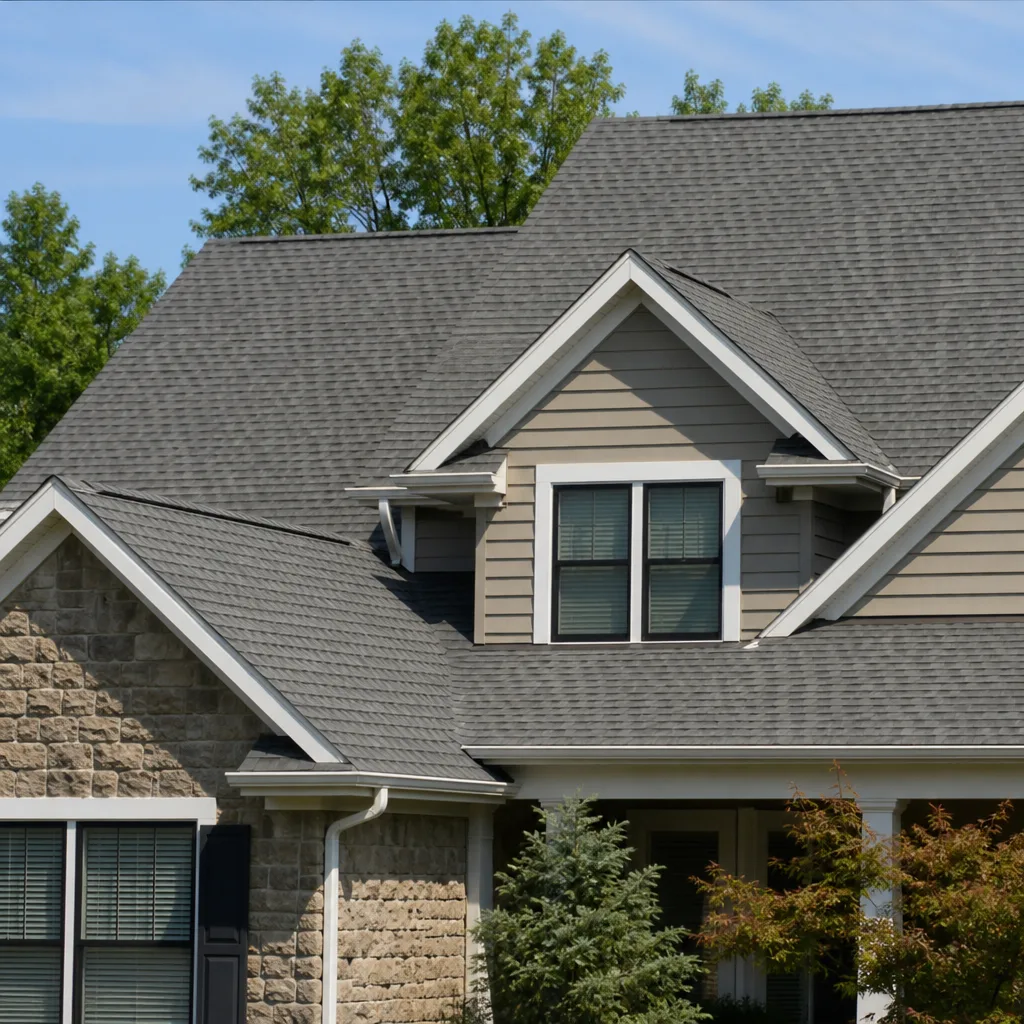 Architectural shingles
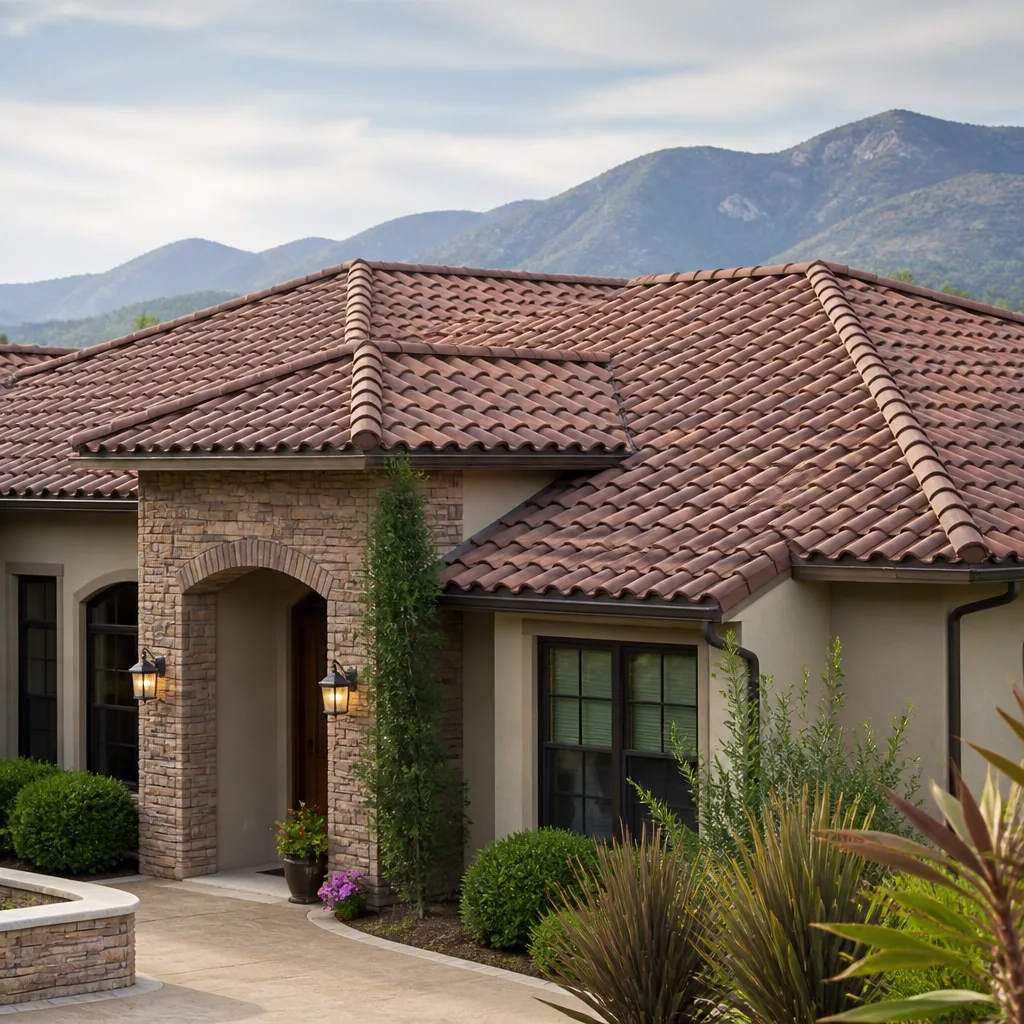 Tile roofing
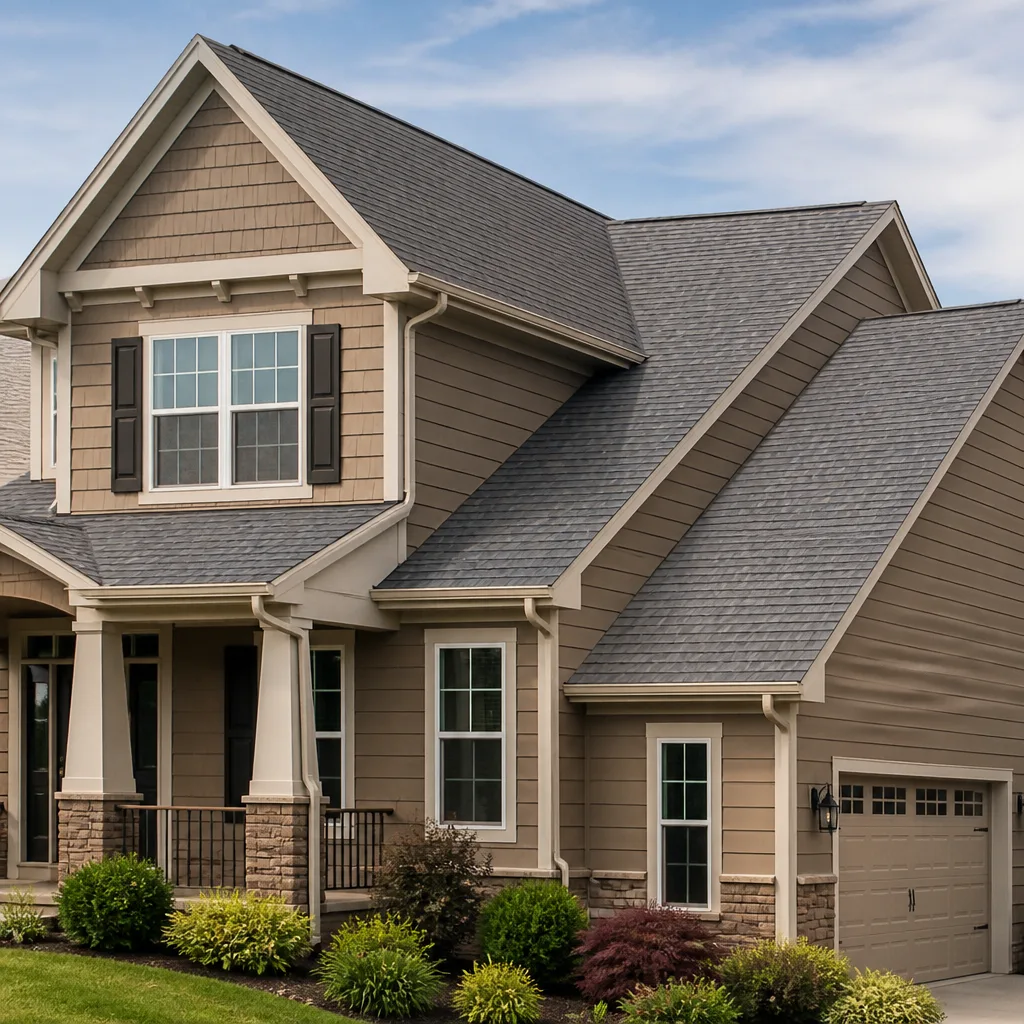 GAF
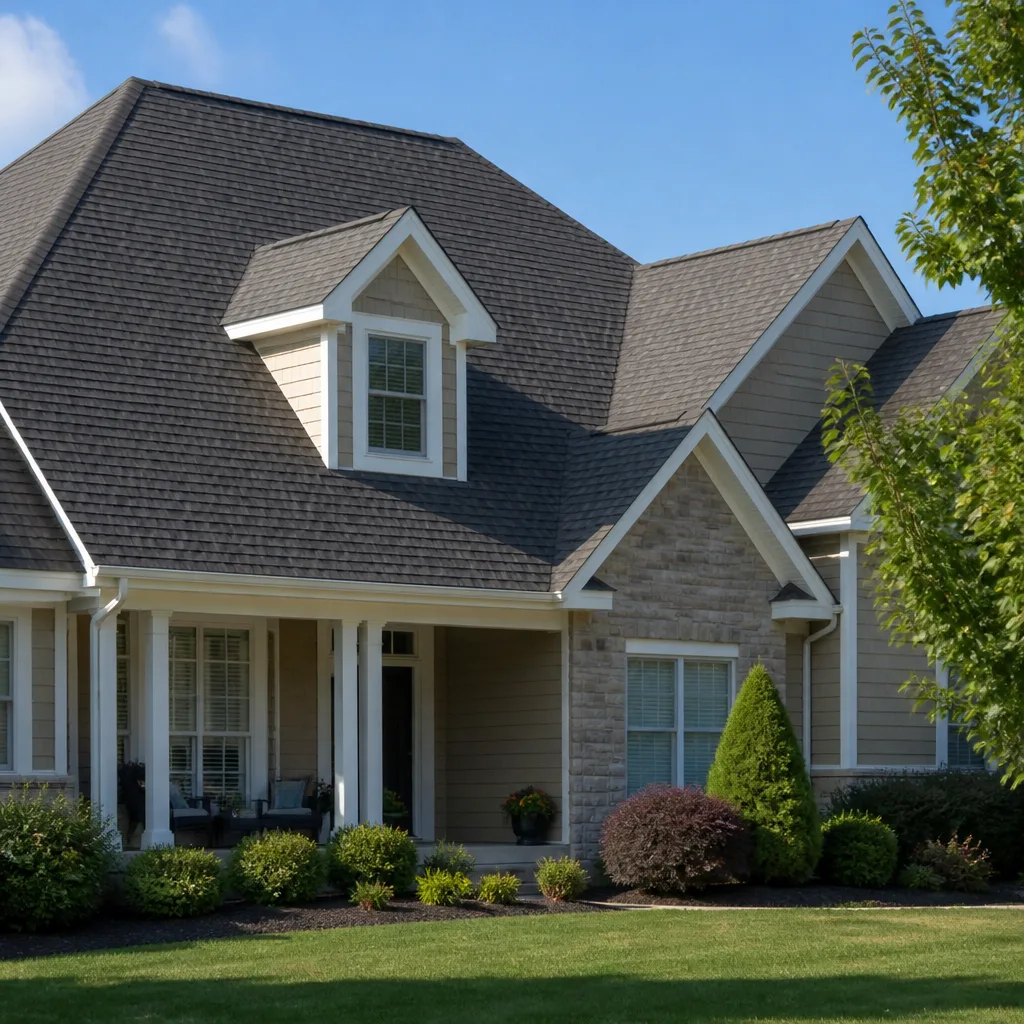 Owens Corning
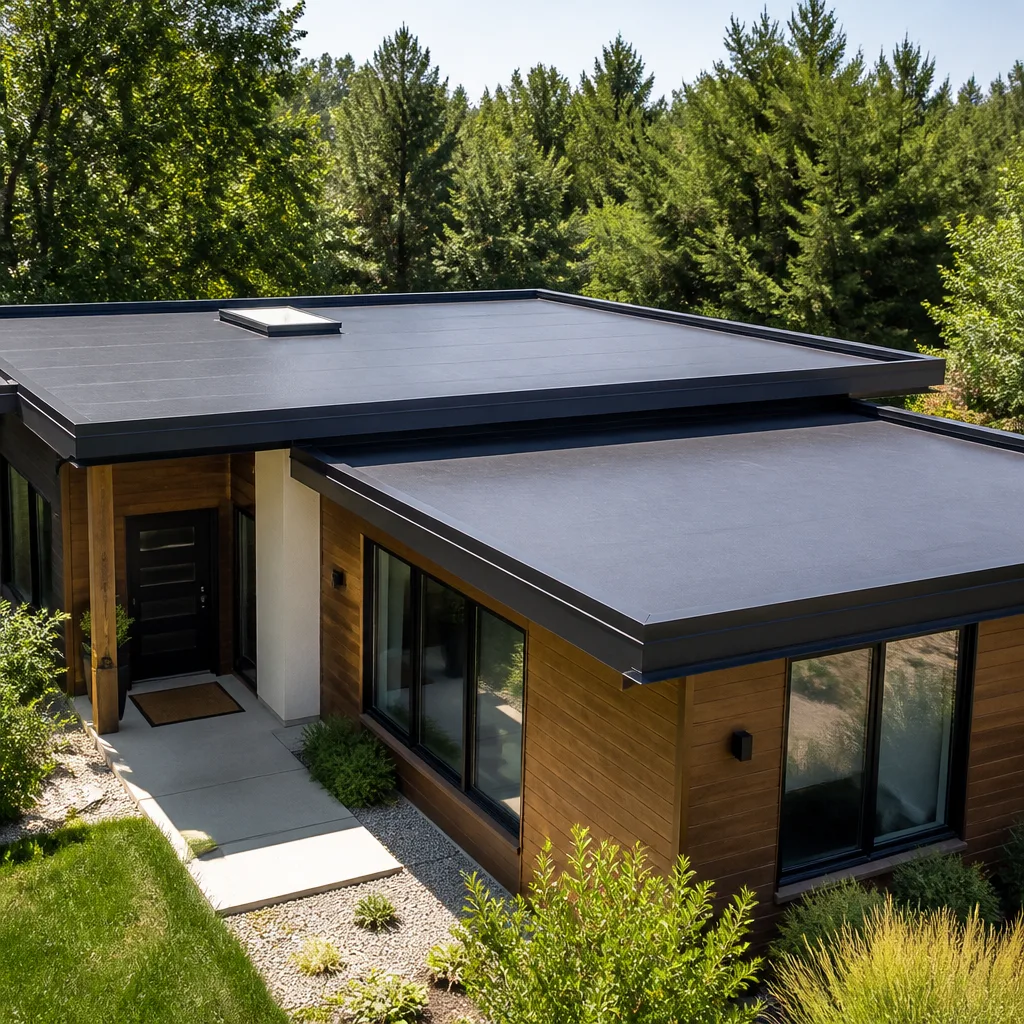 Flat & low-slope
Free roof inspection with deck photos before we talk money - GAF and Owens Corning certified installation
How to Hire a Roofing Contractor in Inglewood: A Step-by-Step Guide
The most common way Inglewood homeowners get burned by roofing contractors isn’t outright fraud. It’s hiring a legitimately licensed company that routinely works in newer Inland Empire developments and simply doesn’t understand older Inglewood homes or the City’s permit office. A crew accustomed to 2005 tract housing will walk onto a 1947 stucco bungalow near Centinela Avenue and miss everything that matters: skip sheathing, settled rafter tails, hand-framed valleys that were never flashed correctly. This guide walks you through the hiring process step by step, including the questions that expose whether a contractor actually knows how to work in Inglewood, not just how to install shingles.
Styles & brands we work with
Quick Answer
Hiring a roofing contractor in Inglewood starts with verifying a C-39 roofing license through the CSLB, then asking five city-specific questions about pre-1970 construction, permit workflow with the City of Inglewood Building Division, and how the contractor handles skip sheathing. Get itemized bids from at least three licensed roofers, verify both manufacturer and workmanship warranty terms in writing, and never sign with a storm-chaser after a Santa Ana event. For a free inspection and straight assessment of what your roof actually needs, call Chatham Roof Repair at (866) 361-1724.
Table of Contents
- Step 1: Verify the C-39 License and What It Actually Means
- Step 2: Ask the Five Questions That Expose Inglewood Experience
- Step 3: Read the Bid Item by Item (and Spot the Missing Line Items)
- Step 4: Understand Warranty Language Before You Sign
- Step 5: Choose the Right Material for an Inglewood Roof
- Step 6: Permits and LA County Inspection Timelines
- Red Flags Specific to Inglewood Roofing Sales
- Common Mistakes to Avoid
- When to Call a Professional
- Frequently Asked Questions
- The Bottom Line
Step 1: Verify the C-39 License and What It Actually Means
California separates roofing contractors from general contractors for good reason. The C-39 roof contractor classification exists specifically because roofing failures are among the most expensive and dangerous problems a homeowner can face, and the state wants proof that the person doing the work has passed a trade-specific exam covering roof construction, flashing, ventilation, and waterproofing. A general contractor with a B license can legally pull a roofing permit in some circumstances, but that doesn’t mean they should. A B license means they passed a broad test covering everything from framing to concrete. A C-39 means they passed a roofing-specific test. When you’re hiring for roof work in Inglewood, you want the specialist.
Verification takes about two minutes. Go to the California State License Board website at cslb.ca.gov, enter the contractor’s name or license number, and check three things: the license is active, the classification is C-39 (Roofing), and the contractor has workers’ compensation insurance on file. If a contractor doesn’t carry workers’ comp and someone gets hurt on your roof, that injury can become your liability. Inglewood homeowners should also check for any CSLB disclosures about judgments, arbitration awards, or license suspensions. A clean license history is not optional.
One more thing worth doing: look up how long the license has been active. A brand-new C-39 issued six months ago doesn’t mean the contractor is inexperienced. People do leave established companies to start their own. But it does mean you should ask more questions about who is actually supervising the crew and what their individual experience is. A newer license with a documented lead installer who has ten years of roofing experience is different from a new license with no verifiable track record anywhere.
Step 2: Ask the Five Questions That Expose Inglewood Experience
This is where most hiring guides stop being useful. They tell you to check the license, read reviews, get three bids. That’s the baseline. For Roof Repair Troubleshooting: Common Problems and How to Fix Them, see our more detailed guide. The next five questions are designed to reveal whether a contractor actually knows Inglewood’s housing stock, not just whether they know how to install shingles. Ask these on the phone before anyone comes out, and listen carefully to how they answer. Hesitation or a generic answer tells you everything.
Question 1: How do you handle skip sheathing on pre-1970 homes?
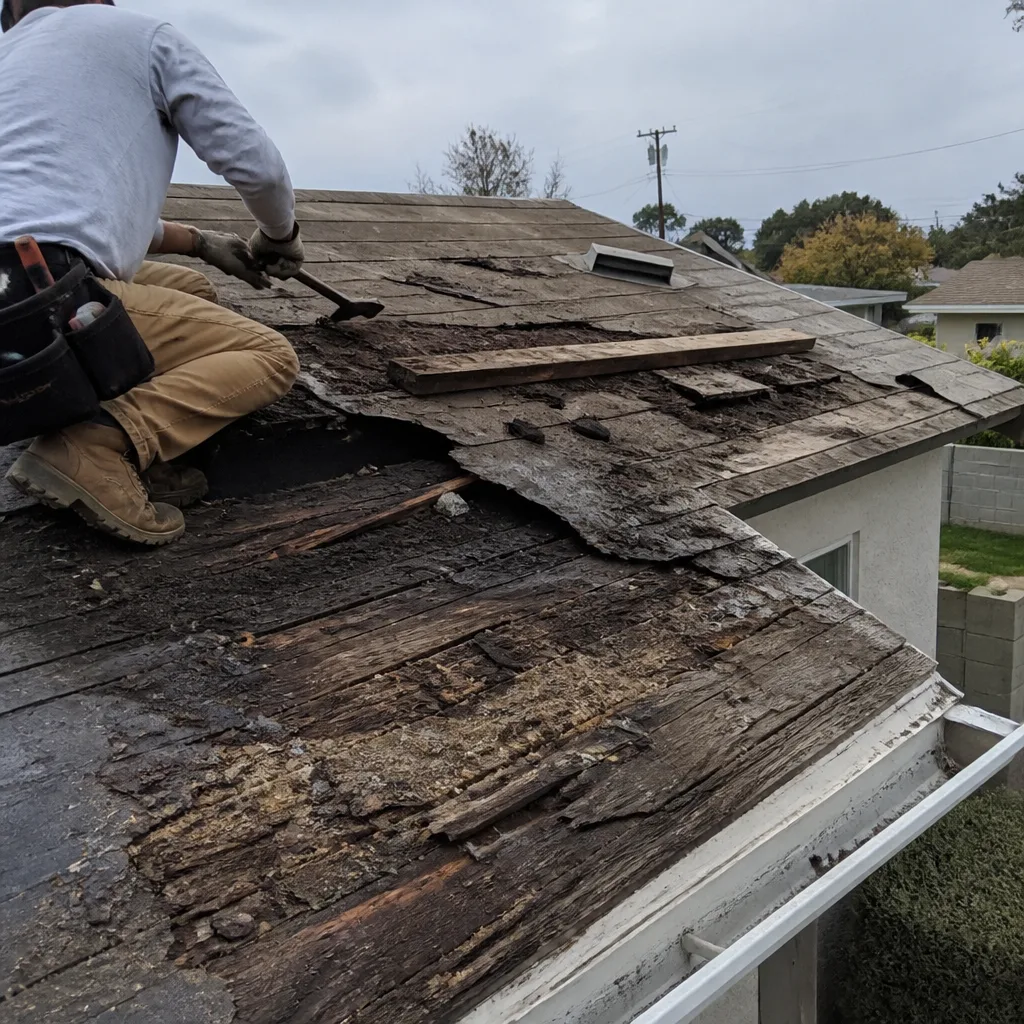
A large share of Inglewood’s housing stock was built between the 1920s and the 1960s. Many of those homes, particularly in the neighborhoods around Queen Street, Arbor Vitae, and the older sections south of Manchester Boulevard, were roofed with what’s called skip sheathing: spaced 1×4 or 1×6 boards laid horizontally over the rafters, with gaps between each board. Modern plywood or OSB sheathing is solid decking. Skip sheathing is not. A contractor who has only worked on newer construction may walk up to a skip-sheathed roof, rip everything off, and then realize the spacing doesn’t meet current code for re-decking and start writing change orders. A contractor with Inglewood experience knows to check for skip sheathing before quoting, and factors re-sheathing or retrofit time into the bid from day one.
Question 2: What’s your experience with the City of Inglewood Building Division permit process?
Inglewood operates its own building department. It is not handled by LA County. The City of Inglewood Building Division has its own requirements for roof permits, its own fee schedule, and its own inspection scheduling process. A contractor who regularly works in cities further east, like Ontario or Fontana, may never have pulled a permit in Inglewood. Ask when the last time was they pulled a roof permit in Inglewood specifically. If the answer is “we pull permits everywhere, it’s all the same,” treat that as a red flag. It isn’t all the same. Permit timelines, inspection scheduling, and which details trigger a re-inspection all vary by city, and Inglewood has its own rhythm.
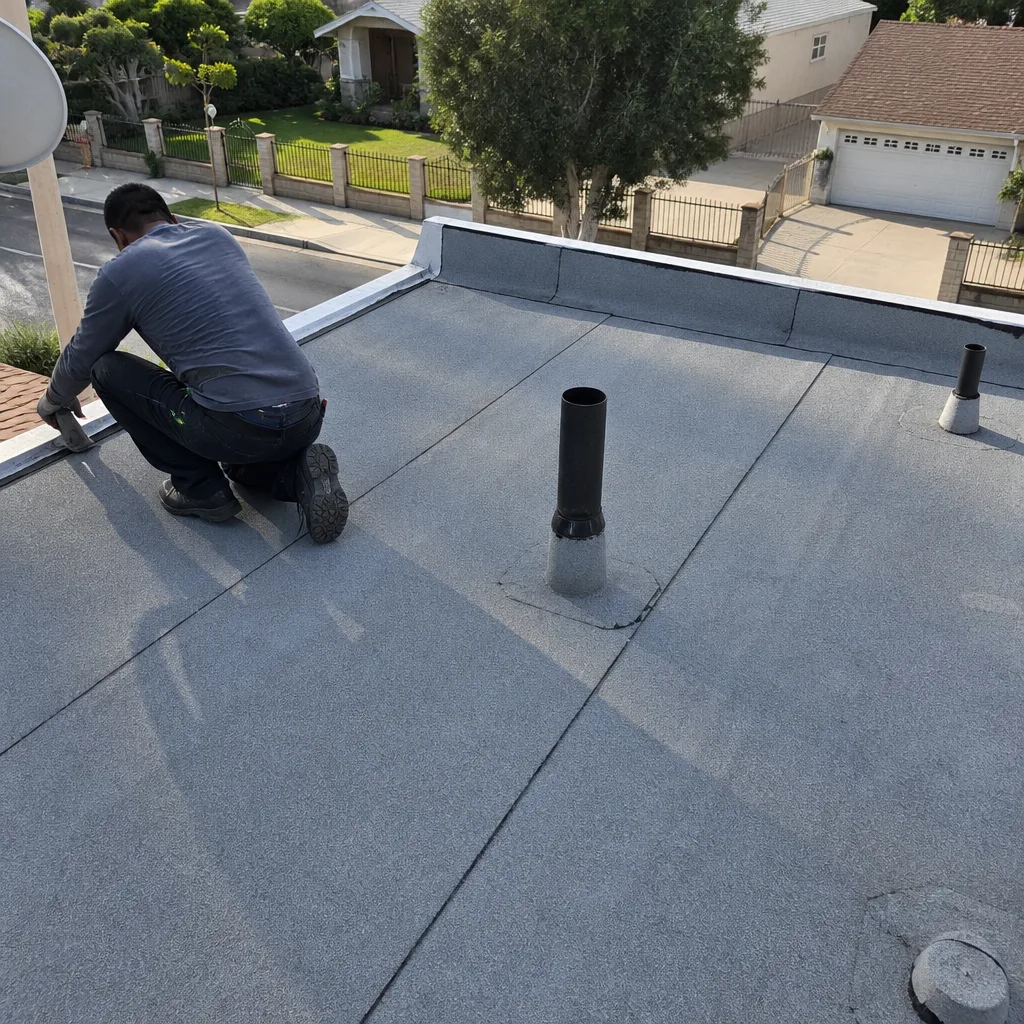
Question 3: How do you handle the flat roof sections on older Inglewood homes?
Many Inglewood homes built in the mid-century era have low-slope or fully flat sections, often over additions, porches, or carports. Sloped shingle roofs and flat roofs are completely different systems. A flat roof on a 1950s Inglewood home likely needs a modified bitumen system or a torch-down membrane, not shingles. If a contractor only talks about shingles, they may not have the experience to handle your flat sections correctly. You’re looking for a roofing contractor who can discuss both systems without flinching, because an Inglewood home with mixed roof types is common.
Question 4: How many pre-1970 Inglewood homes have you worked on in the last two years?
Not “how many homes have you worked on.” Not “how many roofs have you installed.” Specifically: pre-1970 homes in Inglewood. A contractor who has done twenty reroofs in Chino Hills and two in Inglewood is not the same as a contractor who has done twenty in Inglewood, fifteen of them on houses built before 1960. The second contractor has seen the problems. They know which streets have the older construction. They know what the City inspectors tend to flag in this city. This question is direct, and a good contractor will have a clear, factual answer. A vague answer is an answer.
Question 5: How do you assess roof structure before quoting, not just the roof surface?
This is the question that separates roofers who look at shingles from roofers who look at roofs. Before providing a quote, a legitimate contractor should walk the roof, check the decking for soft spots, assess the condition of the rafters, and note any signs of structural sag or movement. In Inglewood, where many homes sit on clay-heavy soil that shifts seasonally, structural movement is not unusual. A contractor who quotes from the ground without walking the roof is not doing the job. In our experience at Chatham Roof Repair home, a proper inspection before quoting is the difference between a bid that holds and a bid that becomes a change order later.
Step 3: Read the Bid Item by Item (and Spot the Missing Line Items)
A legitimate roofing bid for an Inglewood home is not a one-line email. It’s an itemized document that specifies materials, scope, exclusions, and assumptions. The difference between a complete bid and a thin one shows up in three line items that consistently disappear from low bids and reappear as change orders once work begins.
Here’s what a legitimate Inglewood-area roof replacement bid should itemize:
- Shingle brand, line, and color – not just “architectural shingles.” You should know exactly what product is going on your roof. A contractor offering material choice across seven brands (GAF, CertainTeed, Owens Corning, IKO, Atlas, Tamko, and Boral) will specify the exact product line on the bid.
- Underlayment type and installation coverage – the specific underlayment product and whether it covers the entire deck or just the eaves.
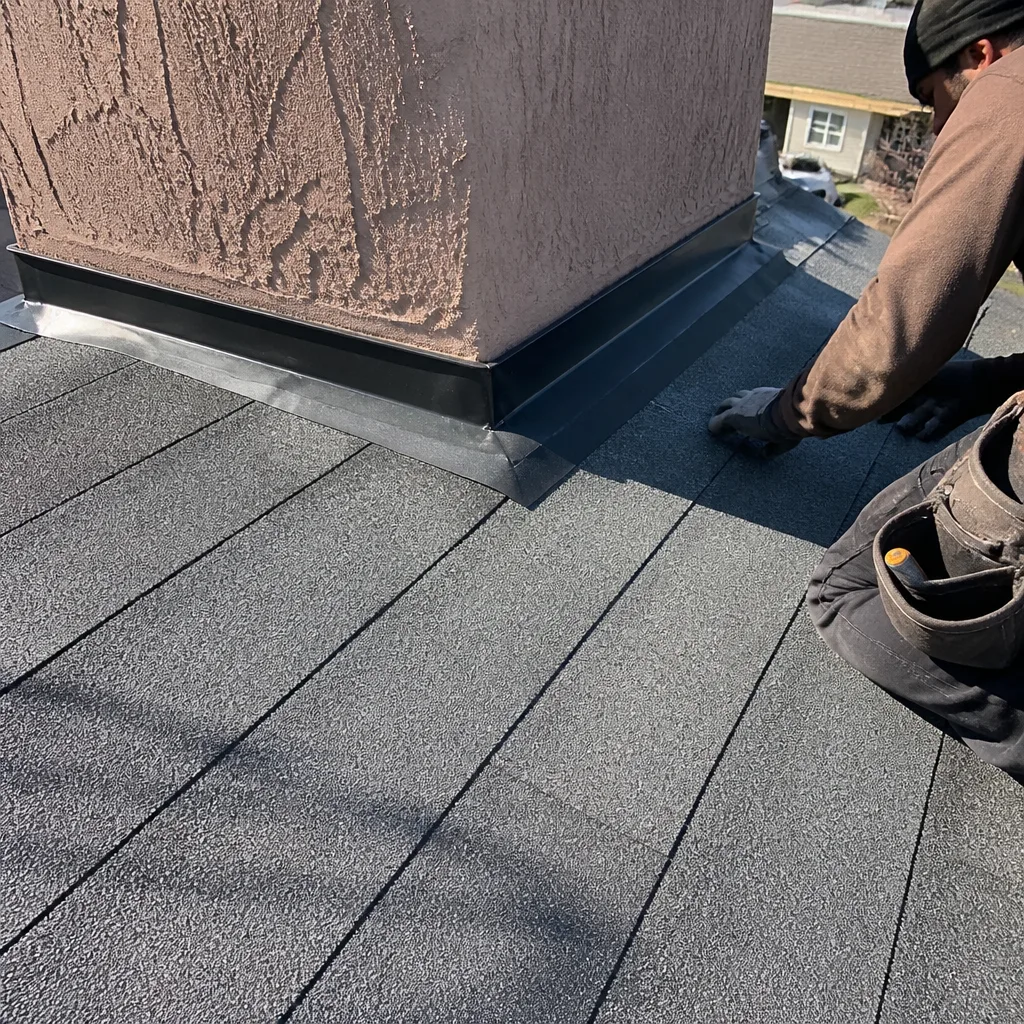
- Flashing replacement or reuse – chimney flashing, valley flashing, wall flashing, pipe boots. A cheap bid assumes existing flashing can be reused. On older Inglewood homes, reuse often isn’t possible, and replacing flashing is exactly the kind of item that becomes a change order.
- Deck repair allowance – a per-sheet or per-square-foot price for replacing damaged plywood or OSB once the old roof is torn off. If this line item is missing entirely, expect surprise charges during tear-off.
- Permit fees and inspection scheduling – who pulls the permit, who pays the fees, and who schedules inspections with the City of Inglewood.
- Ventilation correction – ridge vents, soffit vents, or other ventilation adjustments. Inglewood’s hot summers and occasional heavy winter rain put real strain on under-ventilated attics.
- Debris removal and dump fees – this should be a specific line item, not an assumption.
The three line items that most often disappear from low bids are the deck repair allowance, full flashing replacement, and ventilation correction. Each of those is a legitimate cost. Each of those is exactly what gets added back as a change order when the roof is already torn off and you have no negotiating leverage. A Roof Repair in Inglewood estimate from Chatham Roof Repair always spells out these items before you ever sign anything, because surprises don’t serve anyone.
Step 4: Understand Warranty Language Before You Sign
There are two completely different warranties in any roofing project, and the distinction is where Inglewood homeowners most often get confused. The manufacturer’s warranty covers the materials. The workmanship warranty covers the installation. They are not the same thing, they are not interchangeable, and a failure in one is not covered by the other.
A manufacturer’s warranty guarantees the shingle product itself against manufacturing defects. If a CertainTeed or Owens Corning shingle fails due to a defect in the material, the manufacturer covers the shingle, and depending on the warranty tier, possibly the cost of the replacement shingles. But manufacturer warranties do not cover installation errors. If a contractor nails the shingles too high, uses the wrong nail pattern, or fails to install proper flashing, and that leads to a leak, the manufacturer will not cover the repair. The contractor’s workmanship warranty is what covers installation errors, and it comes from the contractor, not the material brand.
For Inglewood’s most common failure scenarios, you need to know which one applies. Leaks around chimneys, valleys, and walls are almost always workmanship issues. They fail because flashing was installed incorrectly or not replaced when it should have been. Shingle granule loss and premature cracking are often manufacturer issues, though they can be installation issues if the wrong material was specified for the roof’s slope. Ask any contractor to give you both warranty terms in writing: the specific manufacturer warranty coverage, including its duration and whether it’s prorated or non-prorated, and the workmanship warranty, including what it covers, for how long, and whether it’s transferable.
At Chatham Roof Repair, we install products from seven major manufacturers (including CertainTeed, Owens Corning, IKO, and Atlas), which means the warranty conversation is specific to the product you choose, not a generic promise. Inspection, repair, or full replacement, one company, start to finish. That means the same crew that installs your roof is the crew you call if something ever goes wrong. No warranty hand-off between an inspection company that found the problem and a separate contractor that fixed it.
Step 5: Choose the Right Material for an Inglewood Roof
Inglewood’s climate is not California’s generic “mild.” This city sits inland enough to bake in summer. Triple-digit days are not unusual, and the sun load on a south-facing roof slope in August is punishing. Then there’s the rain. Not a lot of it, but when it comes, it often comes all at once over a few weeks in winter, and older homes will show every weakness their roof system has. Choosing the right material means matching it to this climate, your home’s construction, and your budget, not buying whatever brand the contractor happens to stock. For a full Roofing Cost Breakdown: The Inglewood Homeowner’s Reference for 2026, see our pricing guide.
Asphalt architectural shingles remain the most common choice in Inglewood for good reason. They handle heat well when properly ventilated, they’re cost-effective, and manufacturers like CertainTeed, Owens Corning, IKO, and Atlas all offer lines with strong wind warranties and algae-resistance ratings. What matters more than brand loyalty is whether the material matches your home. An older Inglewood home with a steeper pitch may look right with dimensional shingles. A home with a low-slope section needs a different product entirely on that section, and installing shingles on a slope too shallow for shingles is a guaranteed early failure.
Our approach is different from a single-brand shop. Seven major brands means you choose the product that fits your roof, your budget, and your warranty goals. Some brands offer better wind ratings. Others offer better color options. Some offer stronger non-prorated periods. If your existing roof is being repaired rather than replaced, multi-brand inventory means we can match the existing shingles in profile, color, and manufacturer warranty class. A mismatched patch on a visible roof slope is not just an aesthetic problem; it can create manufacturer coverage gaps. If you’re evaluating a Roof Replacement in Inglewood, the material conversation should be driven by your home’s specifics, not by what the contractor wants to move.
Step 6: Permits and LA County Inspection Timelines
Roof work in Inglewood requires a permit from the City of Inglewood Building Division. That’s not a gray area. A roof replacement without a permit is illegal, can complicate a future home sale, and if an unpermitted roof fails, your homeowner’s insurance may be slow to cover the damage. Any contractor who suggests skipping the permit to save a few hundred dollars is not doing you a favor.
The City of Inglewood reviews roof permit applications and schedules inspections through its own building division. Inspection timelines vary depending on workload, but homeowners should expect the process to add several days to the overall project schedule between the permit issuance inspections and the final sign-off. This is not a Los Angeles County process, it’s an Inglewood one, and a contractor who has worked in this city before will know how to sequence the work so that an inspection delay doesn’t leave your roof exposed longer than necessary.
A real roofing contractor handles the permit from start to finish. They pull it, they pay the fees (itemized on your bid), they schedule the inspections, and they’re present when the inspector arrives. They pass the inspection. If a contractor asks you to pull the permit yourself as the homeowner, that’s a signal they’re either not licensed or trying to avoid responsibility. Don’t accept it. Permits pulled and inspections passed should be a given, not a selling point that warrants an upcharge.
For homeowners considering a Roof Inspection in Inglewood before committing to repairs or replacement, Chatham Roof Repair offers inspection, repair, and replacement all under one roof. One company, start to finish. The inspection identifies what needs fixing, the repair addresses it precisely, and if replacement is warranted, the conversation is grounded in what the inspection found, not a predetermined upsell path.
Red Flags Specific to Inglewood Roofing Sales
Post-storm solicitation is a genuine problem in Inglewood, and it spikes after Santa Ana events. The Santa Ana winds that sweep through Southern California in fall and winter can tear shingles, expose underlayment, and send debris across roofs throughout the city. Within days, out-of-town crews descend, knocking on doors and telling homeowners their roof is failing and needs immediate replacement. Some of these crews are legitimate. Many are storm chasers who work a region, collect deposits or full payments, do substandard work or no work at all, and move on.
Here’s how to spot the problem before it becomes one: a legitimate roofing contractor doesn’t knock on your door unsolicited. They don’t pressure you to sign the same day because “the price is only good for this week.” They don’t ask for a large cash deposit before any work begins. In California, a contractor cannot legally request more than 10% or $1,000, whichever is less, as a down payment on a home improvement project. Anyone asking for more is violating state law. And they don’t tell you that your insurance will cover a full replacement without first doing a proper inspection with you present.
Another red flag specific to Inglewood: a contractor who gives a quote without walking the full roof. If someone quotes you from the driveway using satellite imagery, that’s not an inspection. That’s a guess. And in Inglewood, where many homes have hidden sections, multiple roof levels, and older construction, guessing is expensive. A proper quote requires a proper look. We look for the repair before we recommend the replacement, and we can’t do that from a satellite photo.
Common Mistakes to Avoid
- Hiring a general contractor instead of a C-39 roofing specialist. A B license means they can frame your walls and pour your concrete. It doesn’t mean they understand roof flashing, ventilation, or skip sheathing. Inglewood’s older homes demand a roofing-specific contractor who has seen the specific failure modes of this city’s housing stock.
- Accepting a bid that lacks a deck repair allowance. Once the old roof is torn off, damaged decking is a surprise you don’t want. A complete bid includes a per-sheet price for deck replacement. If it’s missing, the low bid is an illusion.
- Skipping the permit because it seems like a hassle. Unpermitted work on an Inglewood home can complicate a future sale and create insurance headaches. A legitimate contractor handles the permit and doesn’t ask you to look the other way. It’s not worth the risk.
- Choosing the cheapest bid without reading the warranty terms. A cheap roof with a weak workmanship warranty is more expensive than a properly priced roof with real coverage. Manufacturer and workmanship warranties are different documents. Get both in writing.
- Signing with a storm chaser after Santa Ana winds. The pressure tactics after a wind event are real. Door-to-door roofers asking for large cash deposits are not part of any legitimate Inglewood roofing practice. Take your time, verify their license, and get three bids.
- Assuming all asphalt shingles are interchangeable. Different brands have different wind ratings, algae resistance, and warranty structures. If you’re repairing, a mismatched shingle can create visible patches and manufacturer coverage gaps. If you’re replacing, the product should match your home’s specifics.
- Not asking specifically about pre-1970 construction experience. This is the single most important Inglewood-specific question you can ask, and it’s the one most guides never mention. Older Inglewood homes have construction characteristics that newer-housing contractors will not recognize.
When to Call a Professional
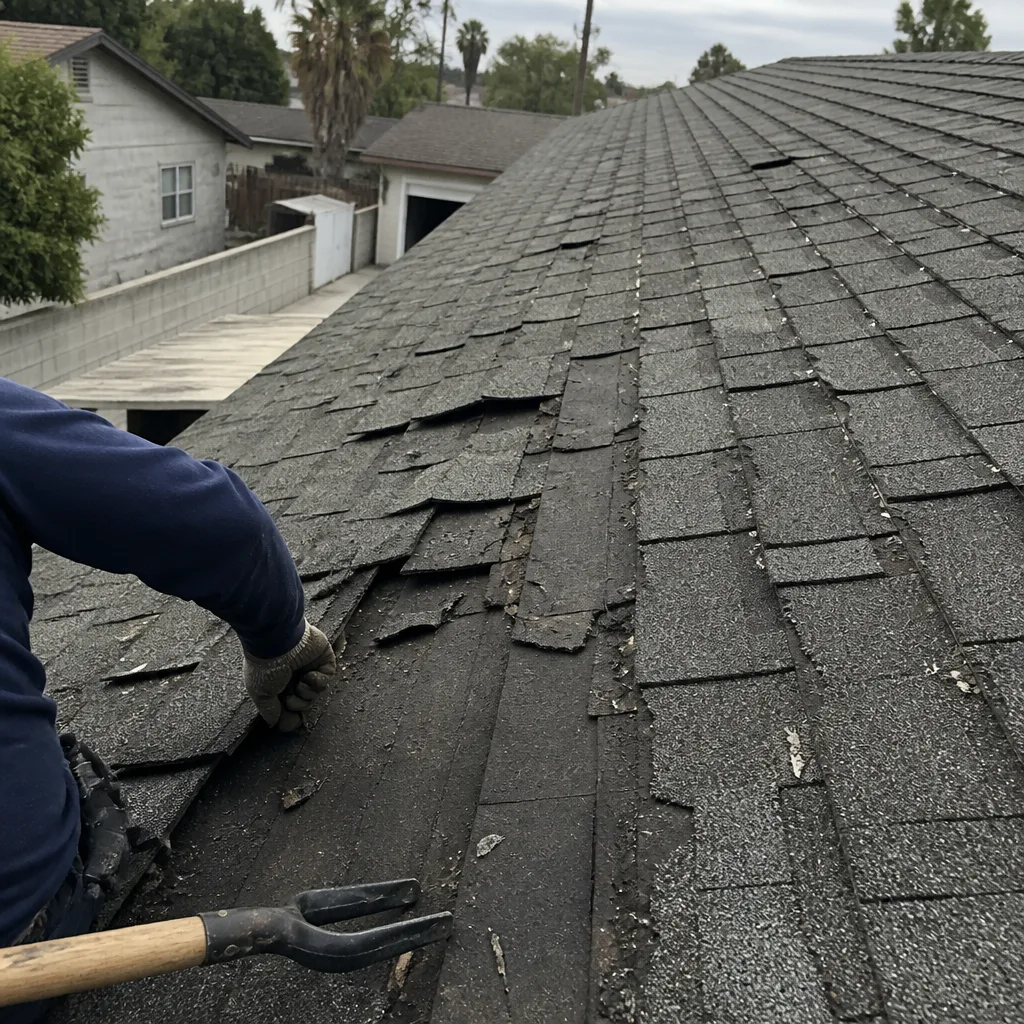
If you’ve noticed water stains on your ceiling, granules accumulating in your gutters, shingles lifting after a wind event, or visible sagging in any section of your roofline, it’s time to get a professional assessment. These are not cosmetic issues. Water intrusion moves fast once it gets past the roof deck, and what starts as a small leak can become rotted decking, damaged insulation, and mold in a matter of weeks. Don’t wait until the rainy season exposes the problem. Inglewood’s winter rains are concentrated, and a leak that’s manageable in August becomes a ceiling failure in January. Our Roof Repair Maintenance Checklist for Inglewood Homeowners can help you stay ahead of issues.
Chatham Roof Repair offers free estimates in Inglewood, call (866) 361-1724. Our inspections are diagnostic. We look for the repair before we recommend the replacement, and our multi-brand material roster means you’re getting an honest recommendation, not a single-product pitch.
Frequently Asked Questions
A full roof replacement on an average Inglewood home typically runs between $12,000 and $25,000 depending on roof size, pitch, material choice, and whether deck repair is needed. Older Inglewood homes with skip sheathing or multiple roof levels can run higher. Call (866) 361-1724 for a free, itemized estimate specific to your home.
Visit cslb.ca.gov and search the contractor’s name or license number. Confirm the license is active, the classification is C-39 (Roofing), and workers’ compensation insurance is on file. A C-39 classification means the contractor passed a roofing-specific trade exam, not a general contractor test.
Yes. Roof replacements in Inglewood require a permit from the City of Inglewood Building Division. A legitimate contractor pulls the permit, pays the fees, schedules inspections, and passes them. Skipping the permit is not a shortcut worth taking.
A manufacturer warranty covers defects in the shingle material itself. A workmanship warranty covers installation errors made by the contractor. Most leaks around flashing, valleys, and chimneys are workmanship issues, and they’re only covered if the contractor stands behind their work in writing.
Most single-family roof replacements in Inglewood take two to five days for the tear-off and installation, with additional time for permit scheduling and city inspections. Roofs with multiple levels, flat sections, or significant deck repair can extend that timeline. Your contractor should provide a clear schedule before work begins.
In many cases, yes. If the damage is localized and the underlying roof system is still sound, a targeted Roof Repair in Inglewood is often the right call. Chatham Roof Repair is repair-first by design. We look for the repair before we recommend the replacement, and our multi-brand material inventory allows repairs to match existing shingles in profile and color.
The Bottom Line
Hiring a roofing contractor in Inglewood comes down to three things: verifying the C-39 license, asking the questions that reveal real Inglewood experience, and reading the bid and warranty documents line by line. The contractors who understand pre-1970 construction, skip sheathing, flat roof sections, and the City of Inglewood permit process are the ones who will deliver a roof that holds. The ones who don’t will write change orders and leave you with coverage gaps. Straight answers about what your roof actually needs, and what it doesn’t, come from a contractor who diagnoses before they prescribe. If you’re ready for an honest assessment, Chatham Roof Repair offers free estimates in Inglewood. Call (866) 361-1724 and we’ll walk your roof, answer the questions, and give you a straight, itemized bid. For more guides & resources, visit our blog.
Written by the team at Chatham Roof Repair, serving Inglewood since 2016.
See the difference
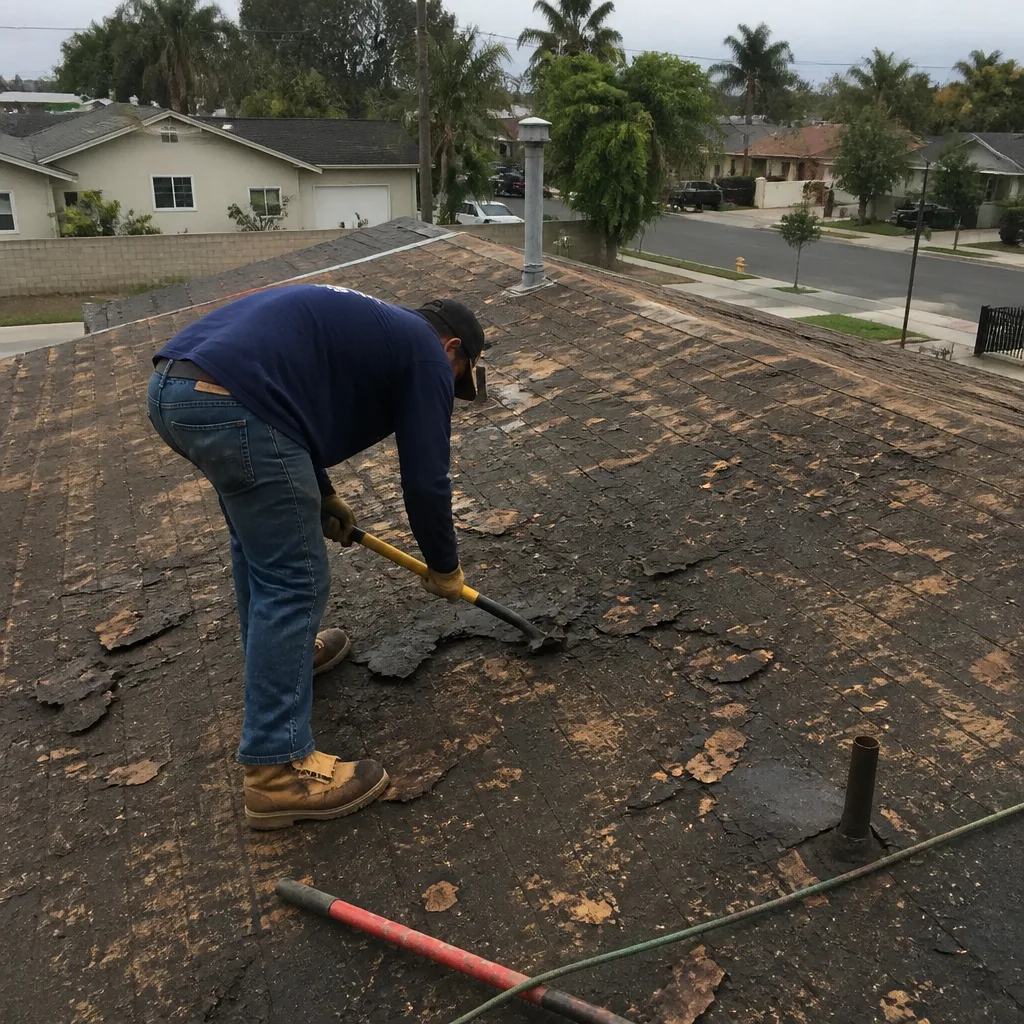 Before
 After
 Before
 After
 Before
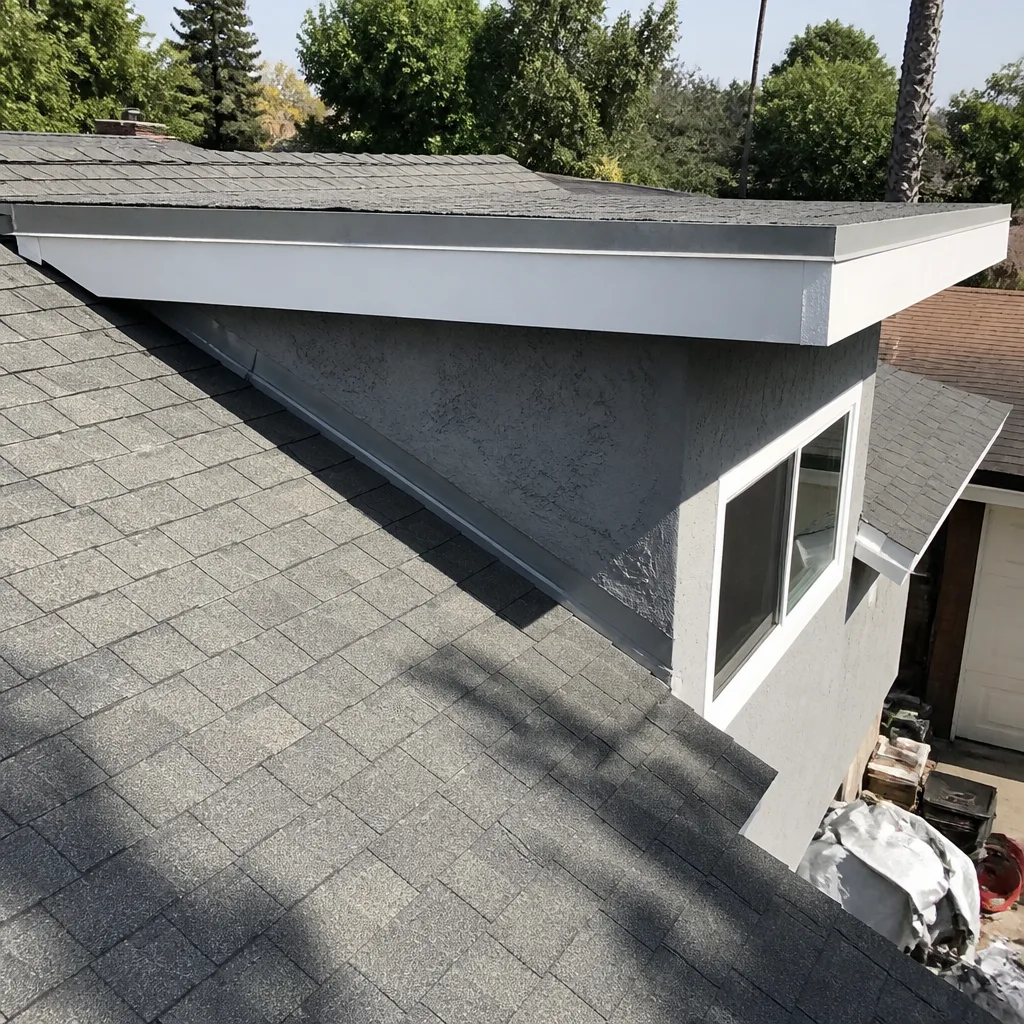 After