Last updated October 30, 2026
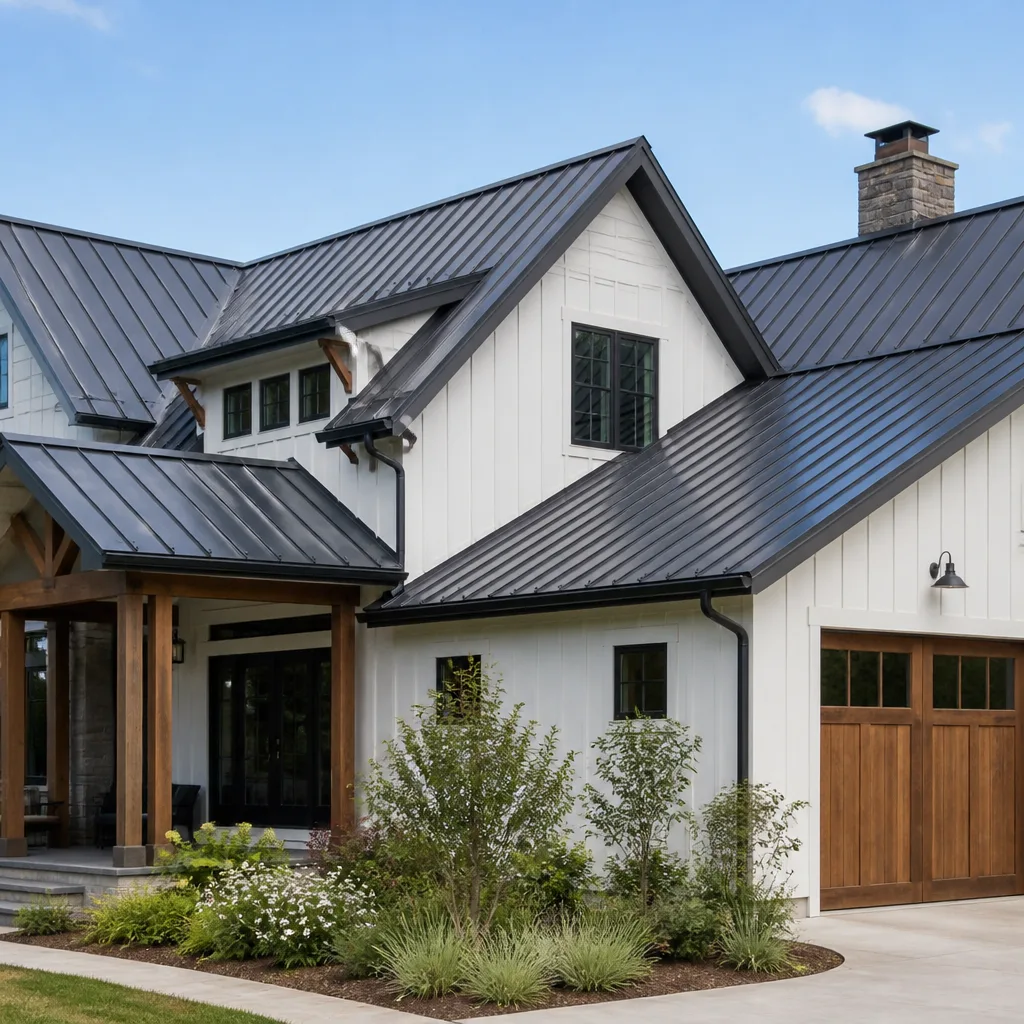 Metal roofing
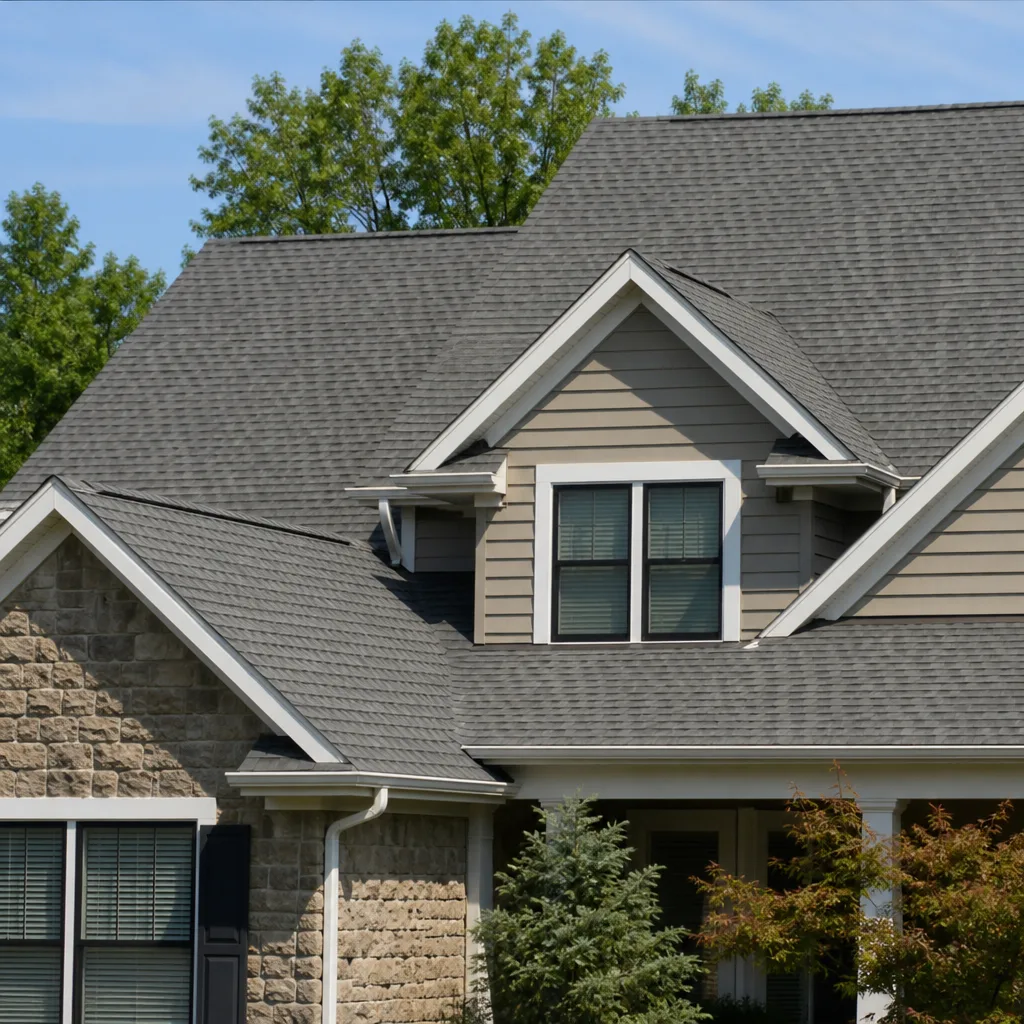 Architectural shingles
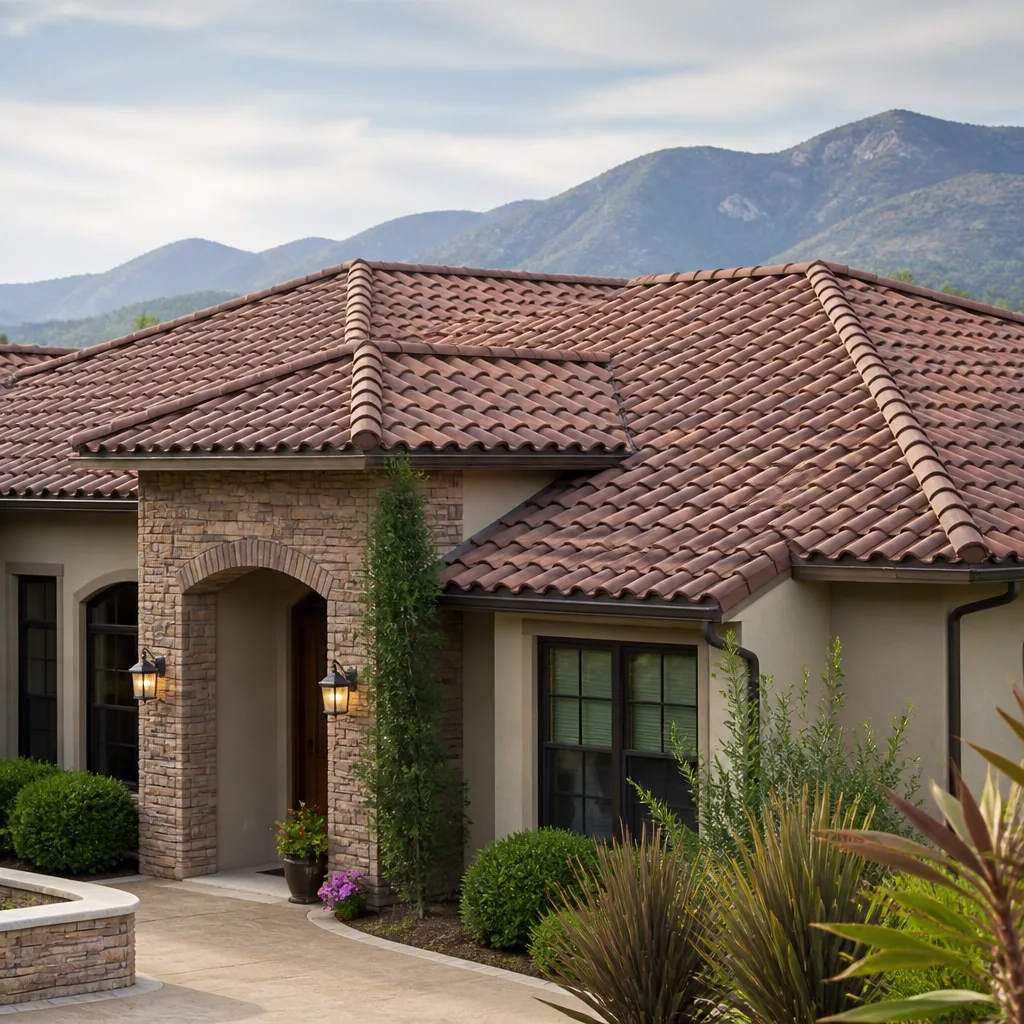 Tile roofing
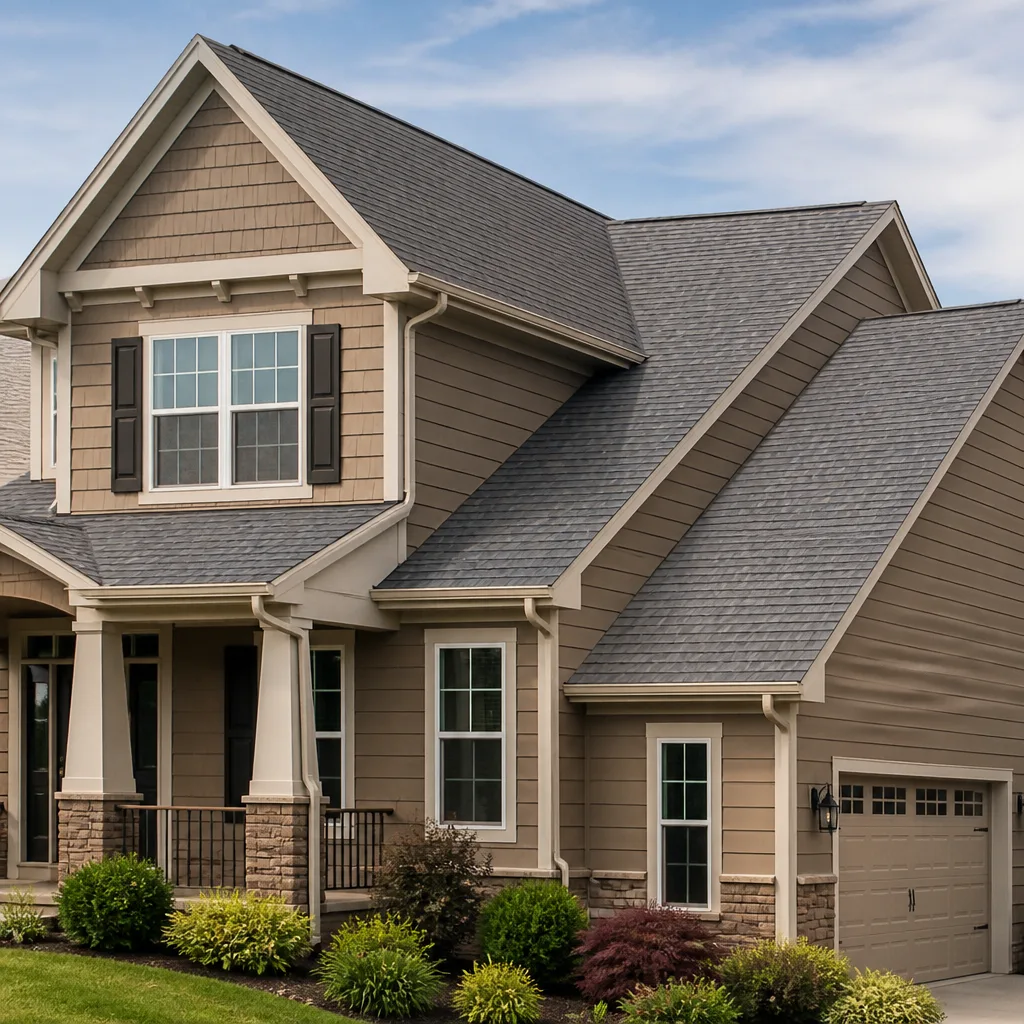 GAF
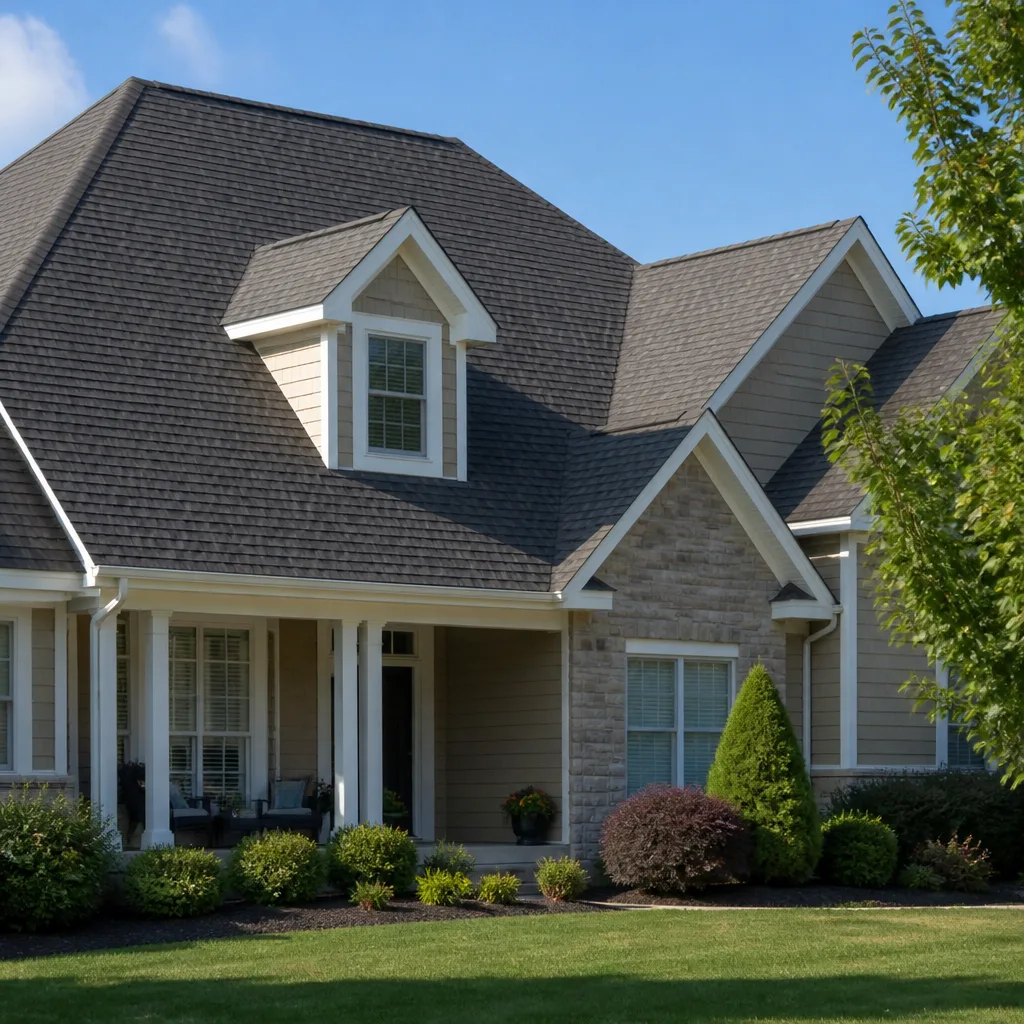 Owens Corning
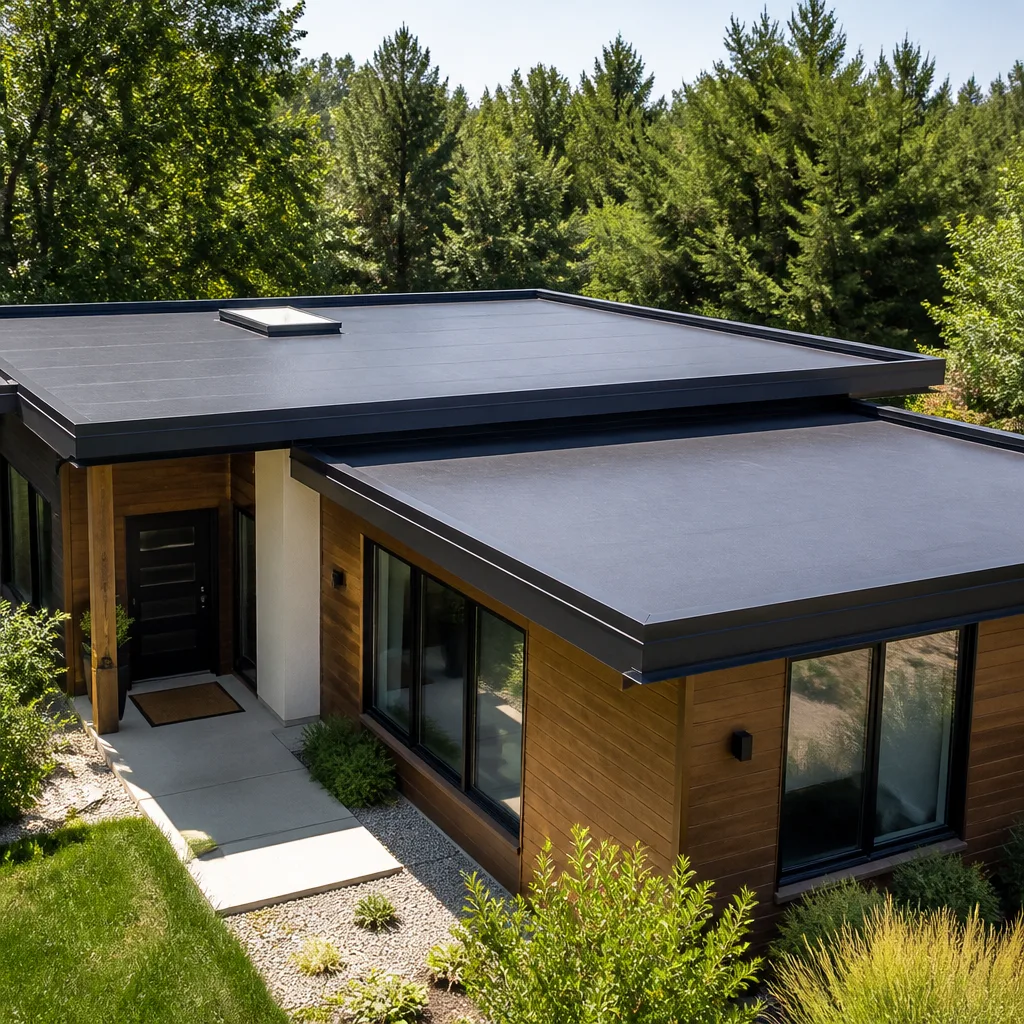 Flat & low-slope
Free roof inspection with deck photos before we talk money - GAF and Owens Corning certified installation
Roofing Warning Signs: A Inglewood Homeowner’s Reference Guide
Granule loss in your gutters isn’t a warning sign. It’s a confirmation that the shingle’s UV protection is already compromised, and by the time you see those granules piling up at the downspout, the clock has been running for a year or more. The actual warning signs appear six to eighteen months before that stage, and almost no homeowner in Inglewood knows what they look like. This guide walks through the early indicators specific to Inglewood’s housing stock and climate, so you can act while a repair still makes sense instead of discovering the problem when a replacement becomes the only option. For a broader overview, see The Complete Guide to Roofing in Inglewood.
Styles & brands we work with
Quick Answer
Roofing warning signs in Inglewood fall into three categories: exterior shingle changes visible from the ground (loss of granule definition, edge wear, subtle color shifts), attic-based evidence (daylight at penetrations, moisture staining on rafters, compressed insulation), and flashing fatigue at chimneys, skylights, and HVAC penetrations. The earliest actionable signs are almost always subtle: shingles that have lost their crisp edge profile, granule loss concentrated in single spots rather than evenly across the roof, and attic daylight that only appears at certain times of day. Catching these early typically means a roof repair in Inglewood that costs a few hundred dollars instead of a full replacement that runs into five figures.
Table of Contents
- Granule Loss: The Difference Between Normal Weathering and Accelerated UV Failure
- Flashing Fatigue: The Leading Source of Interior Leaks in Inglewood Homes
- Attic-Based Warning Signs Most Homeowners Never Check
- Curling, Cupping, and Buckling: What Each One Actually Indicates
- The Ground-Level Check: What You Can Assess from the Street
- How Inglewood’s Climate Accelerates Specific Roof Failures
- What Warning Signs Cost to Fix vs. Ignore: The Real Timeline
- Common Mistakes to Avoid
- When to Call a Professional
- Frequently Asked Questions
- The Bottom Line
Granule Loss: The Difference Between Normal Weathering and Accelerated UV Failure
Every asphalt shingle sheds granules over time. That’s normal. What’s not normal is the pattern, the rate, and the location of that loss. In Inglewood, where summer temperatures routinely cross 90 degrees and the sun hits roofs at a near-vertical angle for months at a time, darker shingles absorb significantly more UV radiation than lighter ones, and their granules break down faster as a result.
Normal weathering looks like a slow, even fade across the entire roof plane. If you look at a roof that’s ten years old and compare it to a new shingle sample, the older roof should look slightly lighter but uniformly worn. Accelerated UV failure looks different, and it’s the pattern you need to recognize.
What Accelerated Granule Loss Looks Like
We’ve walked thousands of Inglewood roofs, and the accelerated failure pattern is consistent. Granules don’t shed evenly. They concentrate in specific zones:
- South and west-facing roof planes lose granules first. These planes take the most direct sun in Inglewood, especially during peak afternoon heat.
- Shingles directly above attic hot spots degrade faster. If your attic ventilation is poor, the heat that builds up under the roof deck pushes through the shingles from below, cooking them from both sides.
- Granule piles in gutters that appear in specific sections rather than evenly along the whole run indicate localized failure, not uniform aging.
The granule pile itself is the end of the story. The beginning is when you still see granules on the shingle but they’ve lost their sharp, sandpaper texture. Run a hand over the shingle from a ladder, or better yet, look at the roof surface against the light. If the shingle looks smooth and glossy in patches, the ceramic coating is already wearing thin. That’s the warning sign. That’s your six-to-eighteen-month window.
Darker shingles, which dominate Inglewood’s older housing stock because they were the default choice for the post-war ranches and stucco bungalows built between the 1940s and 1970s, show this failure mode earlier than lighter colors. The darker the shingle, the more heat it absorbs, and the more heat, the faster the asphalt substrate underneath the granules oxidizes and becomes brittle.
Flashing Fatigue: The Leading Source of Interior Leaks in Inglewood Homes
Roof leaks in Inglewood homes rarely come through the open field of shingles. The vast majority come from flashing failures at chimneys, skylights, HVAC penetrations, and the places where roof planes change direction. In our experience, well over half of the interior leaks we diagnose in Inglewood trace back to flashing that has been in place for twenty or thirty years and has quietly lost its ability to seal.
Flashing is the metal material, usually galvanized steel, aluminum, or copper, that bridges the joint between the roof surface and anything that penetrates it. It doesn’t last forever. In Inglewood’s climate, where the air carries salt from the Pacific and the temperature swings between hot days and cool nights cause constant expansion and contraction, flashing degrades in predictable ways.
What Cavity Flashing Fatigue Looks Like
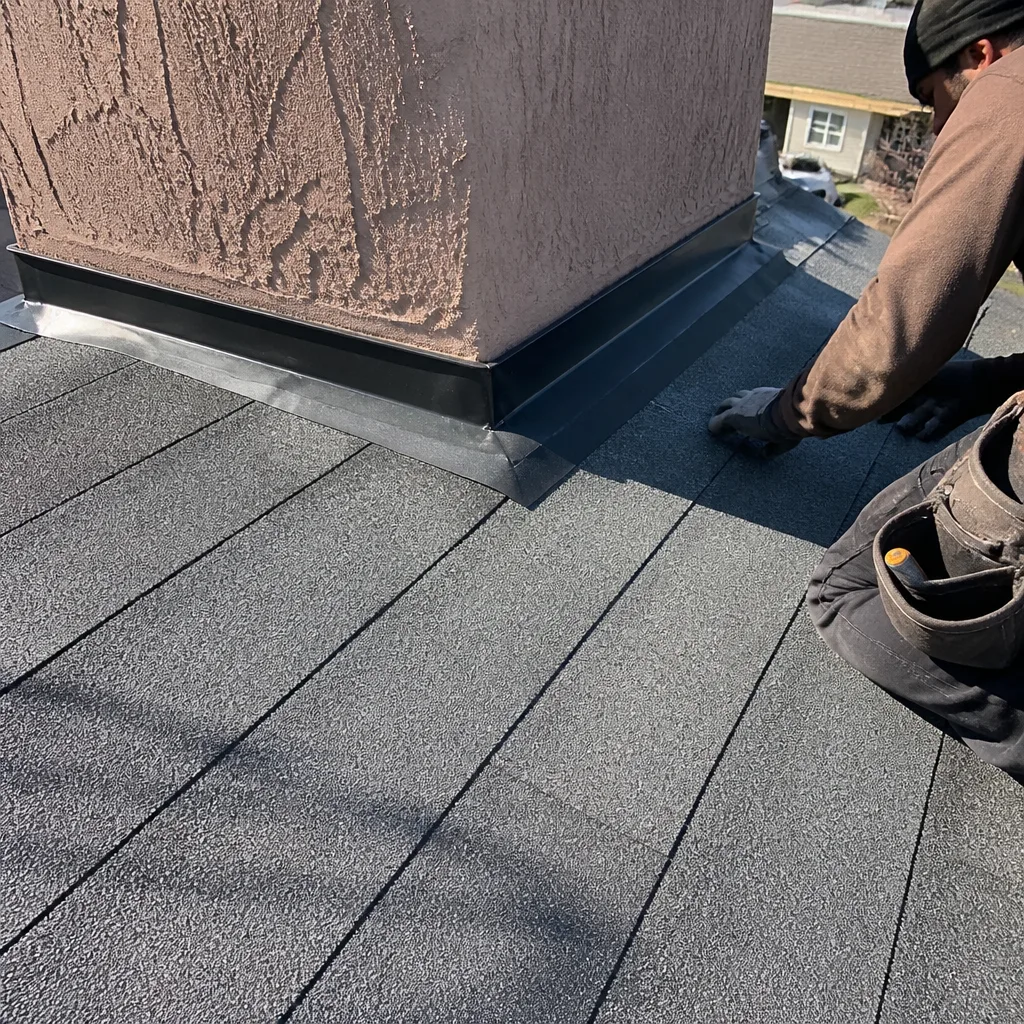
- Step flashing pulling away from the chimney or skylight. If you can see a gap between the metal and the masonry or frame, water is already getting behind the flashing.
- Rust streaks running down the roof from the flashing. The galvanized coating has failed, and the bare steel underneath is oxidizing. Rust means the metal is thinning, and thinning metal eventually develops pinholes.
- Caulk or sealant that has cracked, peeled, or shrunk back from the edges. Caulk is a temporary fix for flashing problems. If you see old caulk around penetrations, someone patched it rather than replacing the flashing, and that patch has a short useful life.
- Staining on the underside of the roof deck visible from the attic around chimneys, skylights, and HVAC curbs. The stain might be old and dry, but it tells you water has been getting in, and unless the flashing was replaced, it still is.
Flashing is a repair, not a replacement driver in most cases. When we do a roof inspection in Inglewood, flashing condition is one of the first things we document, because a professional flashing replacement is a fraction of the cost of a new roof and often extends the life of the existing shingle system by years.
Attic-Based Warning Signs Most Homeowners Never Check
The roof protects the attic, and the attic reports on the roof. Most Inglewood homeowners never go into their attics, and when they do, they don’t know what they’re looking at. The attic is where roof problems show up first, often months before anything is visible from the exterior.
Here’s what to look for, and what each finding maps to:
- Daylight coming through the roof deck. Go into the attic on a bright day and turn off any lights. Let your eyes adjust for a few minutes. If you can see pinpoints or slivers of daylight coming through the decking, you have either a shingle failure or a decking gap. Pinpoint light through a seam is often just natural wood expansion. Light through the middle of a board means a shingle above has cracked or blown off.
- Moisture staining on rafters or decking. Stains don’t mean active leaks, but they mean a leak has happened. If stains are dark, soft, or grow when you press on them, the leak is active. Map the stain’s location to the roof above, then check the corresponding exterior spot for shingle damage or flashing failure.
- Compressed or displaced insulation. Insulation that looks flattened in a specific area has been wet at some point. Water weight compresses fiberglass, and compressed insulation loses its R-value. The wet area often corresponds to the roof zone where water is entering.
- Black or gray streaking on the underside of decking. This is often condensation, not a roof leak. Condensation happens when warm, moist air from the living space rises into the attic and hits the cool underside of the deck. It’s a ventilation problem, but it can rot the decking over time, and the fix is different from a leak repair.
The attic check costs nothing and takes ten minutes. It’s the single highest-value diagnostic step a homeowner can perform, and it’s the one almost no one does until a ceiling stain appears.
Curling, Cupping, and Buckling: What Each One Actually Indicates
Homeowners often group curling, cupping, and buckling under one label: “the shingles look bad.” But each condition has a different cause and a different fix. Knowing which one you’re looking at determines whether you’re dealing with a ventilation correction, a decking repair, or a material end-of-life situation.
Curling
Curling is when the shingle’s edges lift upward from the roof surface. In Inglewood, where attic temperatures can exceed 130 degrees on a summer afternoon without adequate ventilation, curling is usually a heat-related material fatigue issue. The asphalt in the shingle’s top layer oxidizes and stiffens faster than the fiberglass mat underneath, and the edges contract and lift.
Curling shingles can sometimes be repaired individually, but when curling is widespread across a roof plane, it signals that the shingle material has reached the back half of its service life and that the attic ventilation is likely insufficient. This is the point where a repair-estimate conversation starts to include a roof replacement in Inglewood option, not because we’re pushing replacement, but because patching twenty or thirty curled shingles on a roof that will curl another twenty shingles next summer is a poor allocation of repair dollars.
Cupping
Cupping is the opposite: the shingle’s center sinks and the edges rise, creating a concave shape. Cupping is almost always a decking issue. If the plywood or OSB deck underneath has absorbed moisture and swelled, or if the deck was installed with inadequate spacing between panels, the shingles conform to the underlying surface deformation. Roofing shingles don’t cup on their own; they cup because the deck underneath has moved.
Cupping is a structural warning sign. It means moisture is entering the roof assembly from below, above, or within. A professional inspection can determine whether the decking needs partial replacement or the whole roof needs to be stripped and redecked before new shingles go on.
Buckling
Buckling looks like a wave or ridge running across the roof surface, often in a line. It’s a decking movement problem, occasionally aggravated by inadequate fastening or the use of wet lumber when the deck was originally installed. In Inglewood’s older homes, where roof decks were often built with 1×6 or 1×8 boards rather than plywood, board expansion and contraction from seasonal moisture cycles can cause buckles that come and go with the weather.
Buckling that appears seasonally and disappears in dry months is a decking ventilation issue. Buckling that persists year-round usually means the deck boards have lost their connection to the rafters or the original fasteners have backed out. This requires roof-level access to diagnose properly.
The Ground-Level Check: What You Can Assess from the Street
You don’t need to climb on the roof to gather useful information about its condition. A careful ground-level inspection from the street, the driveway, and the back yard can tell you whether a professional visit is warranted.
Here’s the sequence we recommend:
- Stand directly across the street from your house. Look at the roof as a whole. Note any areas where the color, texture, or light reflection differs from the surrounding shingles. Repaired areas often look different because the replacement shingles are newer and haven’t weathered to match.
- Look at the ridge line. The ridge should run straight and crisp. A sagging ridge indicates possible structural movement or decking deterioration underneath. A wavy ridge means the deck has shifted.
- Examine the roof edges and rakes. Shingles at the edges take the most wind lift. If you see gaps, lifted corners, or missing tabs from the ground, those areas are letting water and insects under the shingle course.
- Check for moss, algae, or dark streaking. In Inglewood’s coastal-influenced humidity, algae growth is common on north-facing and shaded roof planes. Algae doesn’t necessarily damage the roof, but it indicates persistent moisture, which ages shingles faster and can hide underlying damage.
- Look at pipe boots and vents from the ground with binoculars. The rubber boots around plumbing vent pipes crack and shrink with UV exposure. If you can see cracks or the boot has separated from the pipe, water is entering the roof at that point.
Ground-level observation is a screening tool, not a diagnosis. What it tells you is whether to schedule a professional roof inspection in Inglewood. The inspection then confirms or rules out what you saw from the ground and identifies what you couldn’t see.
How Inglewood’s Climate Accelerates Specific Roof Failures
Inglewood sits in a coastal plain with a Mediterranean climate: warm, dry summers, mild winters, and an average of only 12 to 14 inches of rain per year. For maintenance tips tailored to these conditions, read our Seasonal Roofing Care for Inglewood: Year-Round Homeowner’s Guide. That low rainfall total sounds forgiving, but it creates a specific failure pattern that homeowners in wetter climates don’t face.
In rainy climates, roof problems announce themselves. The leak appears during the next storm. The damage is visible. In Inglewood, the long dry season means a roof can sustain damage in October and not reveal itself until the rains return in December or January. By then, the water has been sitting in the roof assembly for months, and the repair is more extensive.
The heat is the bigger issue. Inglewood averages over 30 days per year above 85 degrees, and the UV index routinely reaches extreme levels in summer. Asphalt shingles are designed to shed UV radiation through their granule coating, but that coating is sacrificial. It wears away under sustained exposure. A roof in Inglewood that faces south or west will show significantly more granule loss and material fatigue after ten years than the same roof in a cooler, cloudier climate.
Salt air adds another layer. Homes in the western and southern parts of Inglewood, closer to the coast, experience accelerated corrosion on exposed metal flashing, particularly at pipe collars, valley metal, and the fasteners that hold the roof system together. Galvanized steel flashing that would last thirty years in an inland climate can fail in fifteen to twenty near the coast.
This climate pattern is why a repair-first diagnostic approach matters. Many Inglewood roofs with ten to fifteen years of age have one or two specific failure zones rather than uniform failure across the whole roof. The flashing at the HVAC penetration has failed, or the pipe boot has cracked, or the granule coating on the south plane has worn prematurely. Those are localized repairs, not replacement drivers.
What Warning Signs Cost to Fix vs. Ignore: The Real Timeline
The economics of roof maintenance are straightforward when you look at the actual numbers. Here’s what typical Inglewood roofing issues cost at the repair stage versus what they cost if left alone:
Repair-Stage Costs vs. Replacement-Stage Costs
- Cracked pipe boot: $150-$300 to replace at the repair stage. If ignored, water enters around the pipe, rots the decking, saturates insulation, and the repair becomes a decking replacement plus shingle work, running $800-$2,500 depending on the damage extent.
- Failed flashing at a chimney: $400-$900 to reflash with new step flashing and counterflashing. If ignored long enough, the leak works down through the roof assembly, stains ceilings, damages drywall, and the total repair including interior work can reach $3,000-$6,000.
- Localized granule loss on a south-facing plane: $500-$1,200 to replace a section of shingles on the affected plane. If ignored until the underlying asphalt has oxidized through, the decking absorbs water, and a full redeck plus replacement on that plane runs $4,000-$9,000.
- Condensation caused by poor ventilation: $300-$800 to add intake or exhaust ventilation in the problem area. If ignored, the decking rots from the underside, and the roof replacement includes full redecking at $2,000-$4,000 above what a standard overlay would cost.
The pattern is consistent. Catching a warning sign early usually means a repair under $1,000. Missing the warning window usually means a replacement or major repair in the $4,000-$12,000 range. The difference is the six-to-eighteen-month observation window that this guide is designed to help you recognize.
Chatham Roof Repair carries products from multiple manufacturers including GAF, CertainTeed, and Owens Corning, which means a repair section can be matched to the existing shingle profile and color rather than standing out as an obvious patch. See Choosing the Right Roofing Brand: A Buyer’s Guide for Inglewood for help navigating these options. Seven major brands, and the product choice follows the roof’s actual needs, not a predetermined product push.
Common Mistakes to Avoid
- Waiting for a ceiling stain before investigating. By the time water has saturated the insulation, the decking, and the drywall to produce a visible stain, the failure has been progressing for months. The stain is the final symptom, not the first.
- Confusing normal granule shedding with failure. It’s normal to see some granules in gutters, especially on a new roof or after a major storm. It’s the pattern, not the presence, that matters. Uniform granule presence across the gutter run is normal. Concentrated piles at one downspout or one section indicate accelerated failure on that roof plane.
- Using caulk to patch flashing problems. Caulk is a temporary fix that fails. The metal flashing underneath still needs replacement. Every time you re-caulk a penetrating flashing, you’re buying weeks or months, not years.
- Ignoring the attic as a diagnostic tool. The attic is the only place where you can see the underside of the roof deck and the roof framing. It’s where the earliest and clearest warning signs appear, and checking it costs nothing but ten minutes.
- Assuming a dark roof stain is always a leak. Many dark stains on ceilings and walls in Inglewood homes are condensation or old water marks from a leak that was fixed years ago. Before you open the ceiling, have the source confirmed.
- Replacing shingles without addressing the ventilation problem. If curling is caused by attic heat buildup, replacing the curled shingles without adding ventilation means the new shingles will curl too. The shingle repair without the ventilation fix is a temporary patch.
- Deferring maintenance because the roof “looks fine from the ground.” The ground check catches major issues. It misses flashing fatigue, cracked pipe boots, early decking rot, and most attic-based evidence. A professional inspection sees what the street view cannot.
When to Call a Professional
Call a roofer when you see daylight in the attic, when water stains appear or grow, when you find concentrated granule piles at a downspout, when shingles are curling, cupping, or buckling across a visible area, or when the flashing at any penetration shows rust, separation, or failed sealant. Also call when you’ve bought a home and have no inspection record from the last three years – Inglewood’s sun exposure makes roof aging predictable, but only if someone is actually looking.
Chatham Roof Repair offers free estimates in Inglewood. We inspect before we propose, and our repair-first approach means the scope of work follows what the inspection finds, not what the sales target dictates. Call (866) 361-1724 to schedule a roof evaluation.
Frequently Asked Questions
Chatham Roof Repair provides free estimates in Inglewood, including roof evaluations that document the condition of shingles, flashing, decking visible from the attic, and ventilation. Call (866) 361-1724 to schedule one.
In Inglewood’s UV-heavy climate, asphalt shingle roofs typically last 15 to 25 years depending on shingle quality, roof orientation, and ventilation. South and west-facing planes often age faster than north and east-facing planes, and we see many Inglewood roofs that need plane-specific repair or replacement years before the whole roof fails.
Yes, and in many cases a partial repair is the correct scope. If the failure is localized to one penetration, one flashing point, or one roof plane, a targeted repair addresses the actual problem without replacing sound shingles. The repair decision follows the inspection findings.
Because Chatham Roof Repair installs products from seven major manufacturers including GAF, CertainTeed, Owens Corning, and Boral, we can usually match the existing shingle profile and color closely. Exact color match is not always possible if the existing shingles have weathered significantly, but the mismatch is typically minimal and far less costly than replacing a roof early.
Inglewood roof replacements typically range from $8,000 to $20,000 depending on roof size, pitch, decking condition, and the shingle product selected. Our multi-brand approach means you choose the product that fits your budget and warranty goals rather than accepting a single-brand package. Call (866) 361-1724 for a free estimate with written line-item scope.
Most roof replacements in Inglewood require a building permit through the city’s Building and Safety Division. Repairs that involve shingle replacement on a limited section may not require a permit, but full replacements do. Permits are pulled and inspections are scheduled as part of the replacement process.
The Bottom Line
The roof on your Inglewood home speaks long before it fails. It speaks through granule loss patterns in your gutters, through subtle color shifts on south-facing planes, through daylight in your attic, through rust on your flashing, and through the slow curling of shingles that have been cooked from above and below. The homeowners who hear the warning signs early get repairs. The ones who don’t hear them get replacements. The information is in this guide; the roof is right there above your head. Learn what it’s telling you, and if you want a professional reading, Chatham Roof Repair provides inspection, repair, and replacement services across Inglewood with a repair-first approach and product choices from seven major manufacturers. Call (866) 361-1724 for a free estimate.
Written by the team at Chatham Roof Repair, serving Inglewood since 2016. Explore more guides & resources on our blog.
See the difference
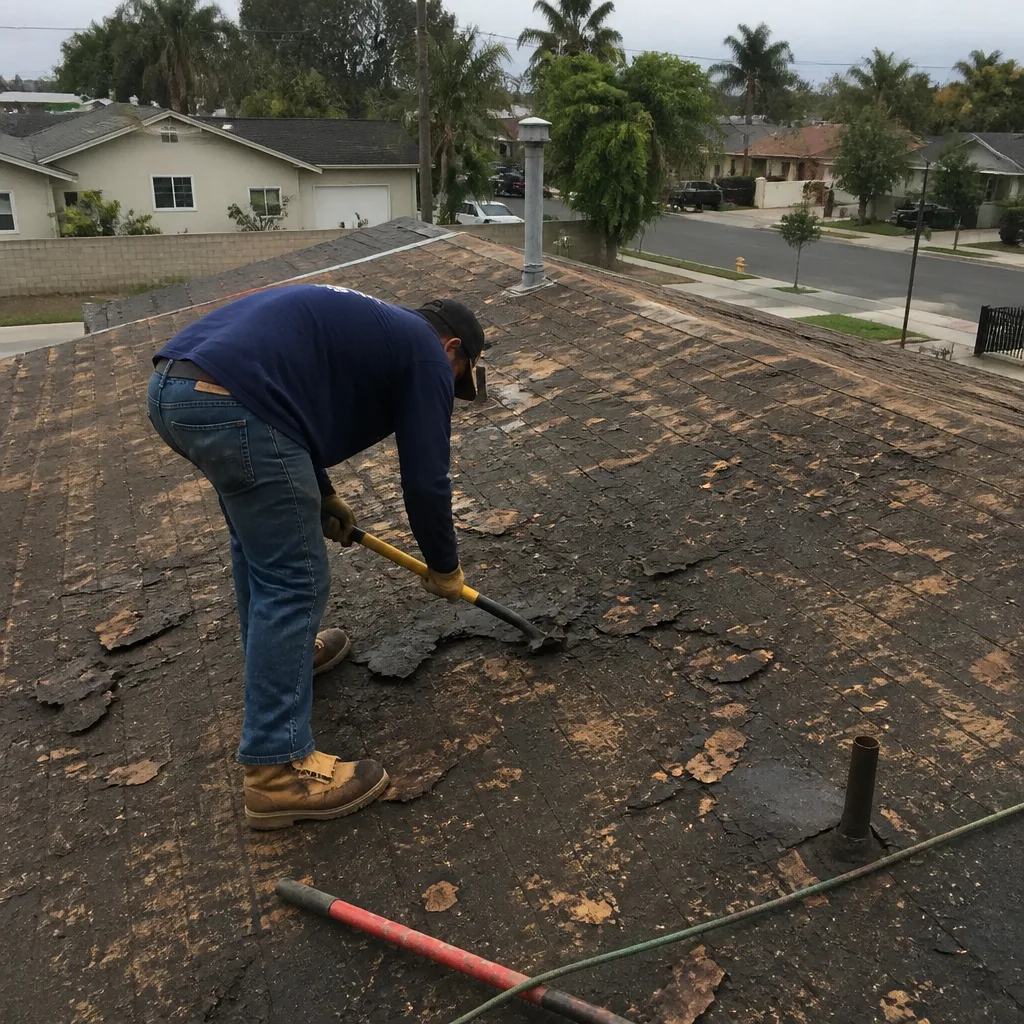 Before
 After
 Before
 After
 Before
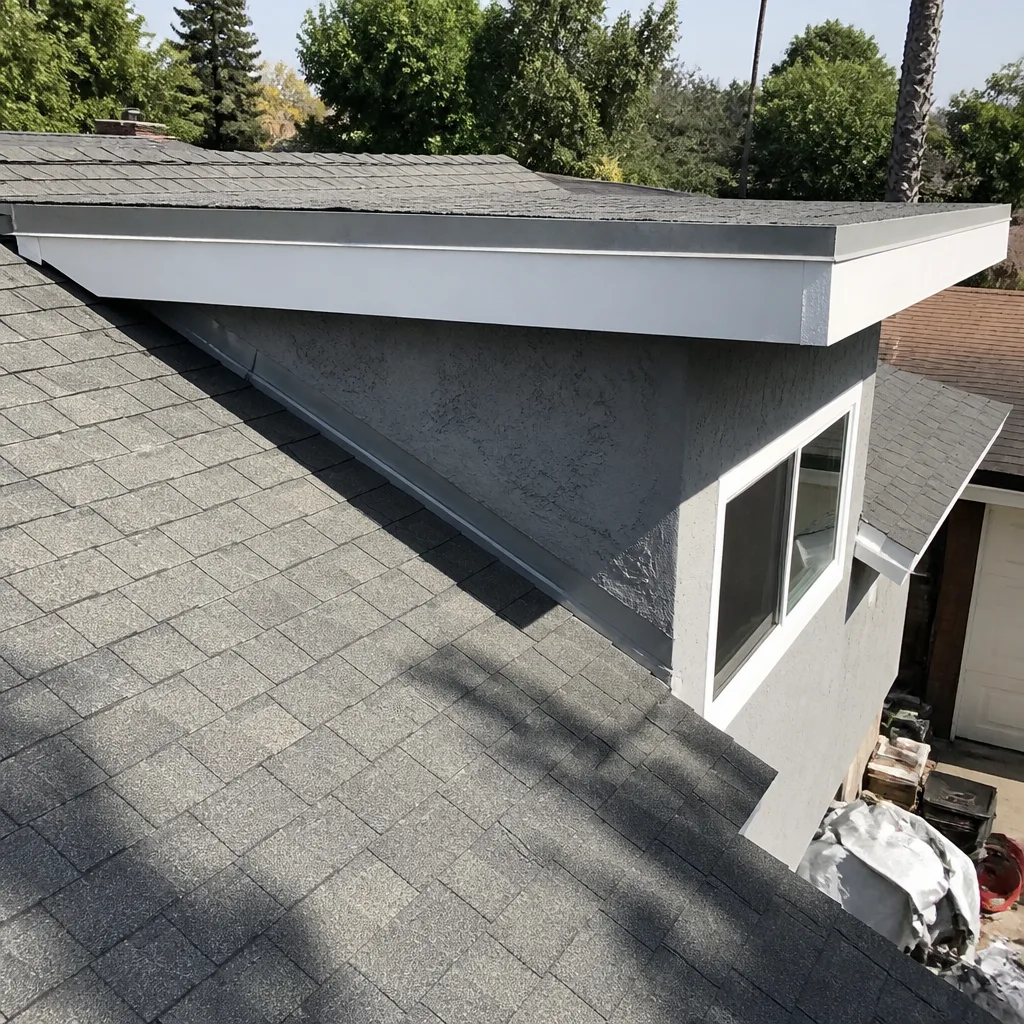 After