Last updated October 30, 2026
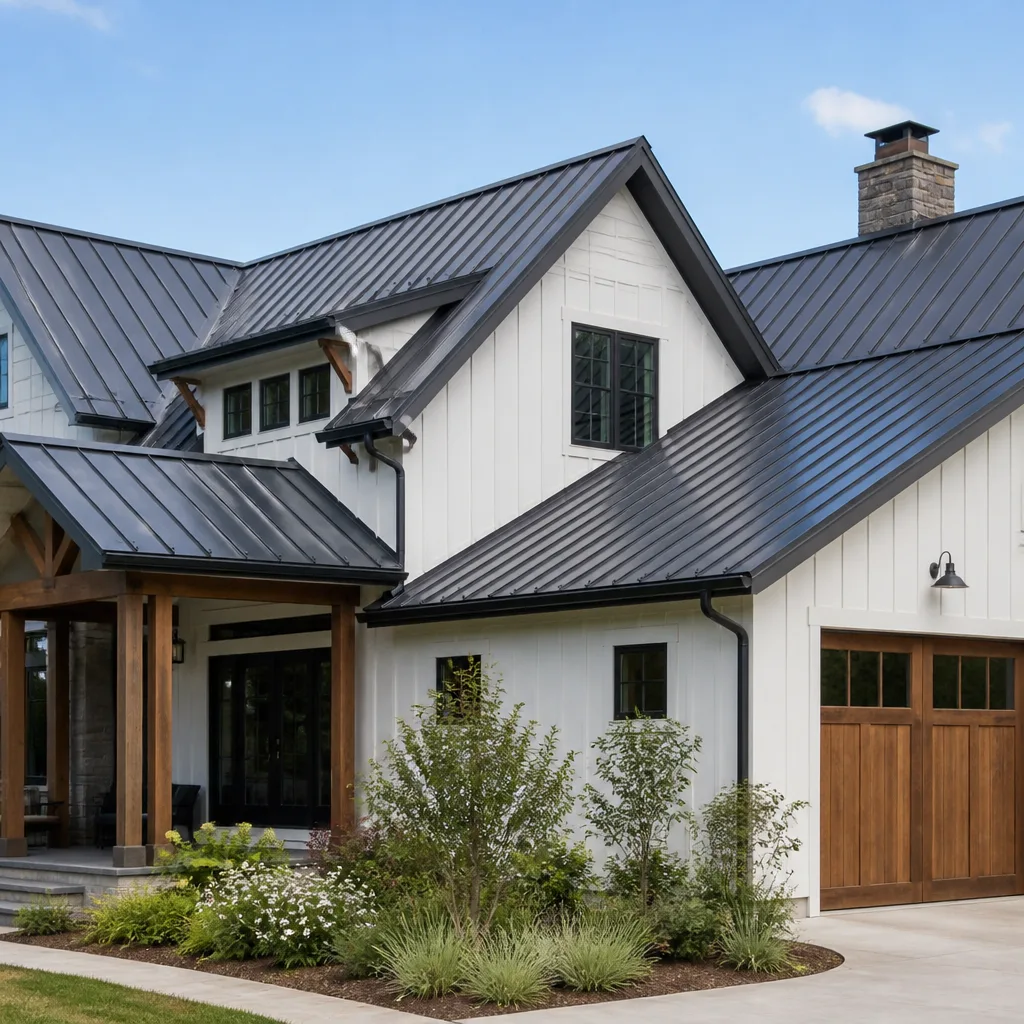 Metal roofing
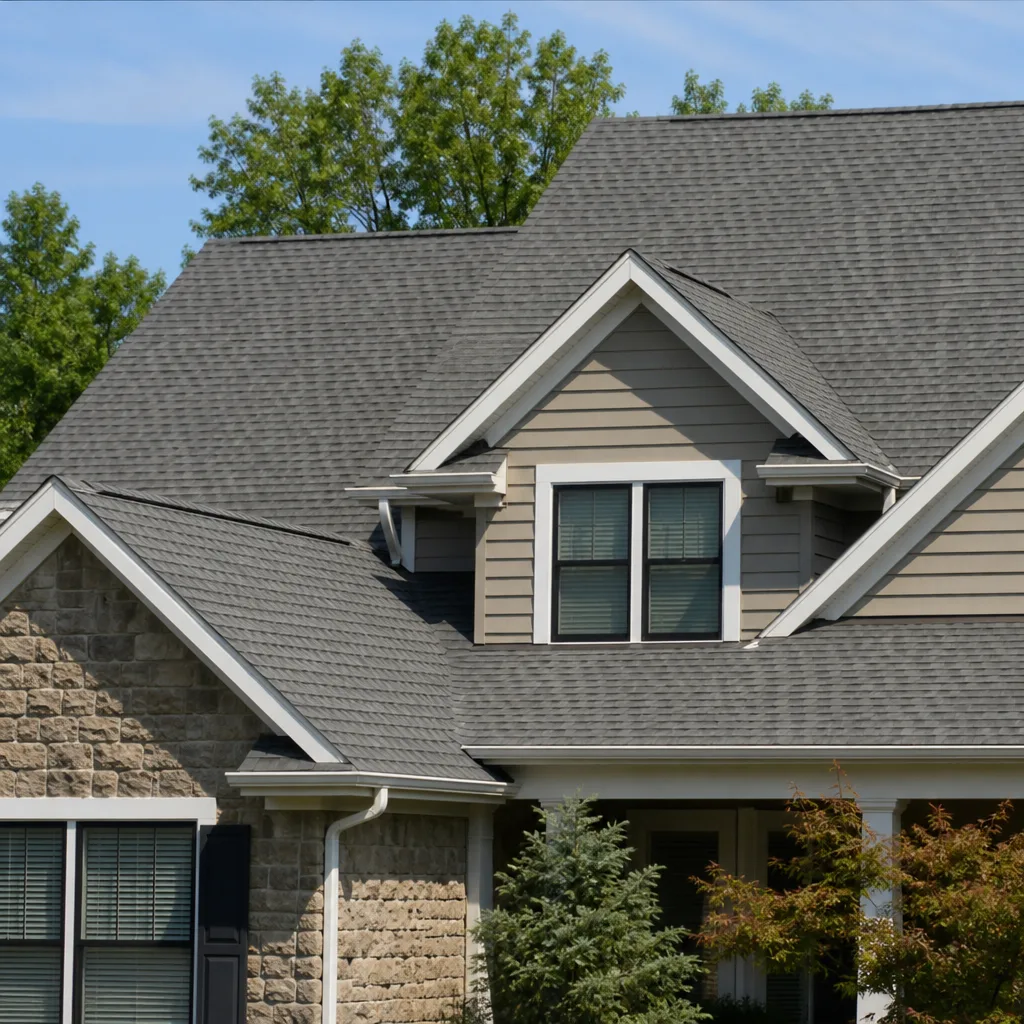 Architectural shingles
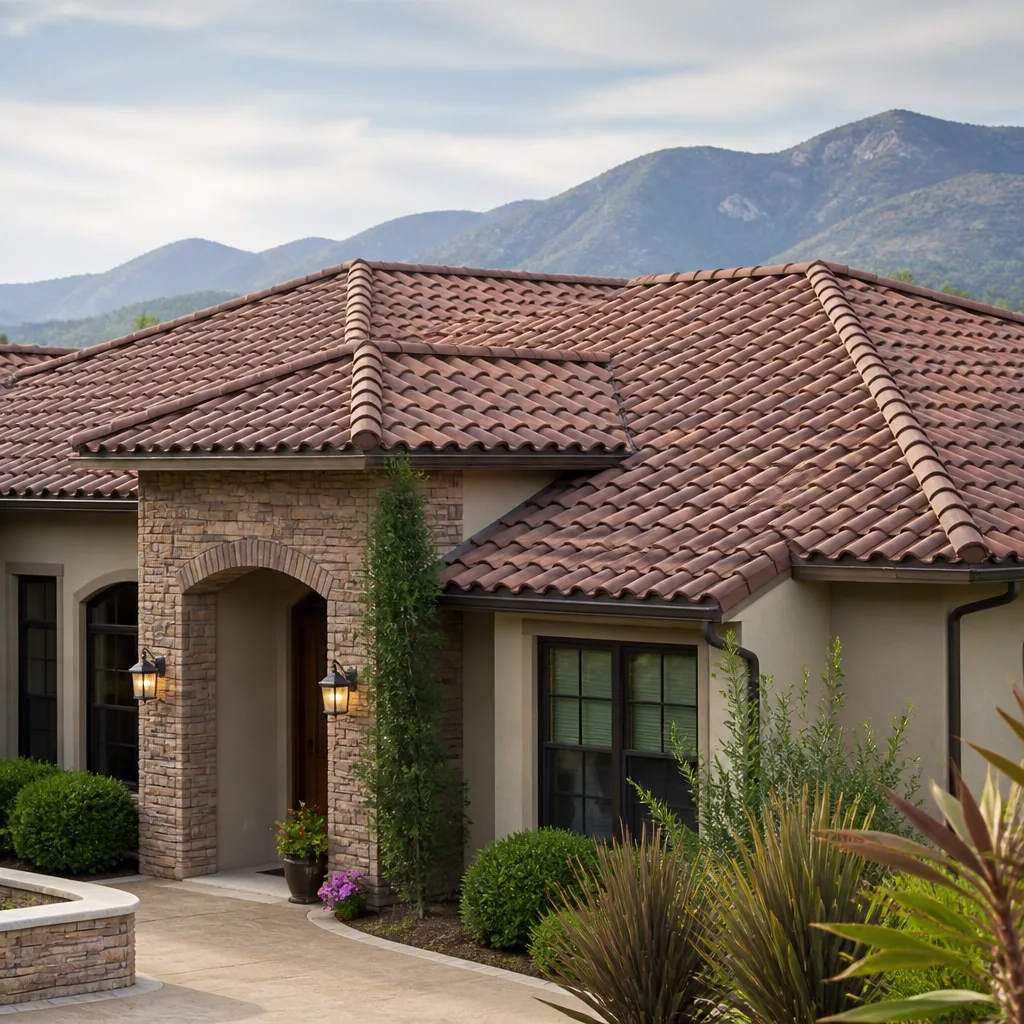 Tile roofing
 GAF
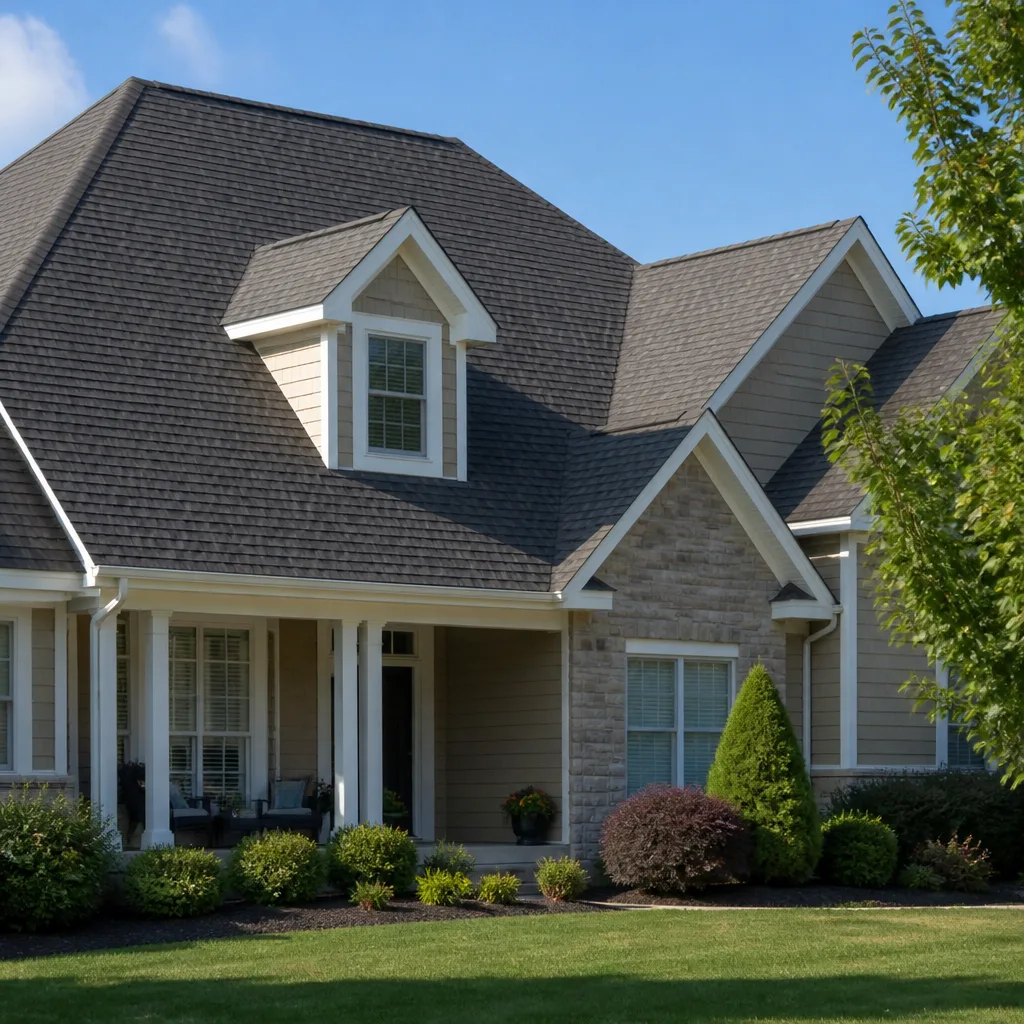 Owens Corning
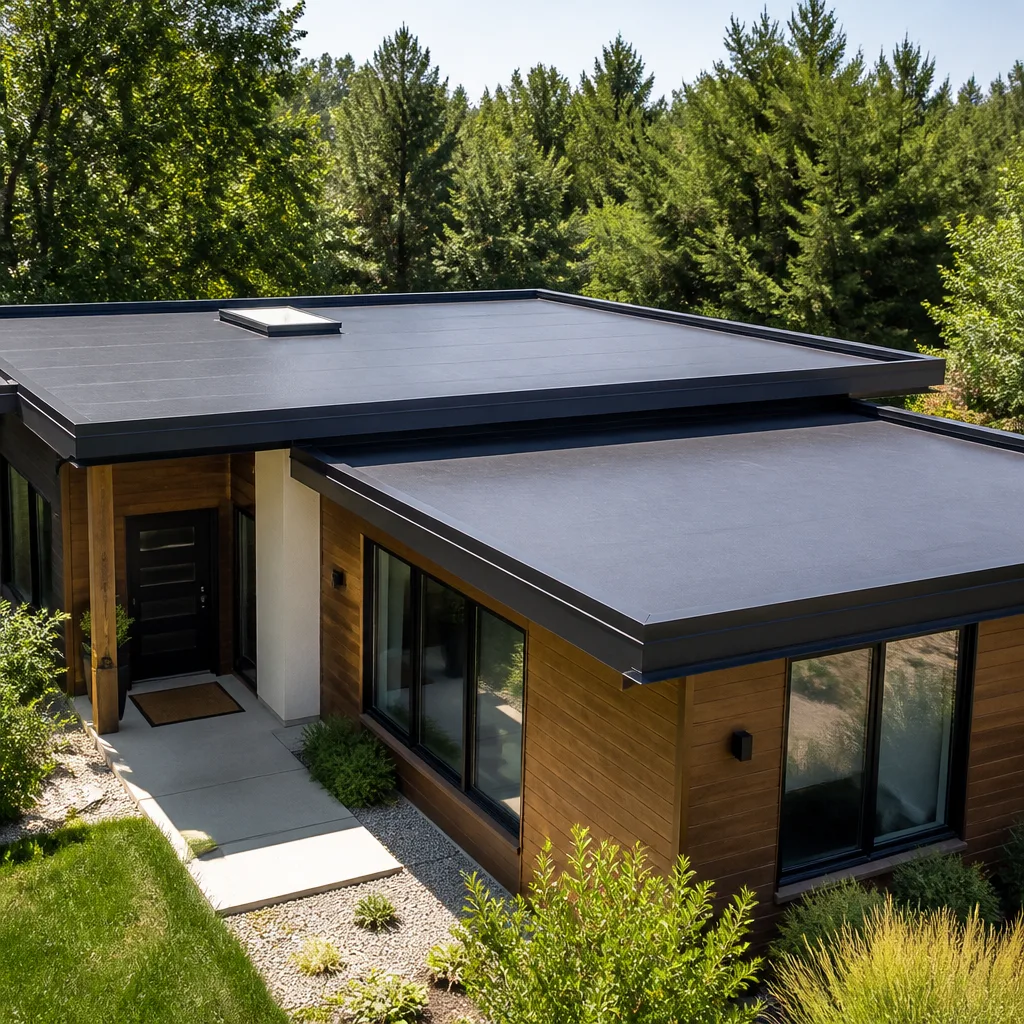 Flat & low-slope
Free roof inspection with deck photos before we talk money - GAF and Owens Corning certified installation
Seasonal Roofing Care for Inglewood: Year-Round Homeowner’s Guide
October in Inglewood is the most dangerous month for your roof, and not for the reason most homeowners think. The first Santa Ana wind event typically arrives before summer dust and leaf debris have been cleared from valleys, scuppers, and drain baskets. That combination, dry airborne grit packing into every seam, followed by wind gusts that flex shingles and lift flashing, creates the single highest-stress window of the year. This guide breaks down the actual calendar of roof stress in Inglewood, month by month, so you can spend a few hours a year on maintenance instead of thousands on avoidable repairs.
Styles & brands we work with
Quick Answer
Inglewood roof care runs on three stress periods, not four seasons: Santa Ana wind season (October through November), winter rain loading (December through March), and UV thermal cycling season (May through September). The highest-value maintenance actions are a November debris clearance, a January drainage check after early rains, and a May inspection for heat-related sealant and flashing degradation. Following this calendar reduces repair frequency over a roof’s service life and keeps manufacturer warranty documentation intact.
Table of Contents
- The Inglewood Roof Calendar: Three Stress Seasons, Not Four
- Month-by-Month Action Calendar for Inglewood Roofs
- Santa Ana Season: October Through November
- Winter Rain Window: December Through March
- June Gloom and the Marine Layer: A Misdiagnosed Moisture Problem
- UV and Thermal Cycling: May Through September
- Flat and Low-Slope Sections on Inglewood Bungalows
- Documenting Seasonal Inspections for Warranty and Insurance
- Common Mistakes to Avoid
- When to Call a Professional
- Frequently Asked Questions
- The Bottom Line
The Inglewood Roof Calendar: Three Stress Seasons, Not Four
Inglewood sits in a coastal-inland transition zone that produces a roofing environment unlike both Los Angeles proper and the hotter San Fernando Valley. The city gets roughly 13 to 15 inches of rain per year, almost all of it compressed into a four-month window from December through March. Marine layer influence keeps mornings damp for weeks at a time in June and July. And the Santa Ana winds, which most people associate with October wildfire season, are the primary mechanical stressor on roofing components across the city.
What this means in practical terms is simple: a generic “spring and fall” maintenance schedule, the kind you see in national home care articles, does not fit a roof in Inglewood. A roof on West Hillcrest Boulevard faces the same wind gusts as one near Darby Park, but the former may carry more debris load from mature sycamore canopies. The flat-roof bungalows common to the neighborhoods around Rogers Park have drainage requirements that a steep-pitch roof in Ladera Heights does not. Understanding the local stress calendar is the difference between catching a $400 flashing repair in November and a $4,800 drywall and insulation claim in February.
We’ve inspected roofs across Inglewood for years, and the pattern is consistent: homes that receive a focused maintenance pass before each stress period show materially less cumulative damage over a ten-year horizon than homes maintained on a generic national schedule. This guide is that local calendar.
The Three Stress Periods at a Glance
- Santa Ana Wind Season (October through November): mechanical damage from gusts, debris accumulation in valleys and drains, lifted flashing, loosened ridge caps.
- Winter Rain Loading (December through March): standing water on flat sections, saturated underlayment at compromised flashings, clogged scuppers, interior leak manifestation.
- UV and Thermal Cycling Season (May through September): sealant breakdown, shingle granule loss acceleration, thermal expansion stress at metal-to-shingle junctions, and the overlooked moisture effect of the June marine layer.
If you own a home in Inglewood and you only remember one maintenance date all year, make it the second week of November. But the full calendar below is what actually moves the needle on roof longevity.
Month-by-Month Action Calendar for Inglewood Roofs
This calendar is built around the climate reality of Inglewood, not a generic national template. Each month includes one core action, one secondary check, and the reason it matters locally. Any homeowner can complete most of these from the ground or with a ladder and basic caution. We always recommend a professional for anything involving walking the roof surface or inspecting near the eaves.
- January: Core action: inspect all scuppers, downspouts, and gutter outlets after the first significant rain event. A single clogged scupper on a flat-roof section of an Inglewood bungalow can pond enough water to test seams that have been dry for nine months. Secondary check: walk interior ceilings near exterior walls looking for faint water staining. Early-stage leaks often show on drywall before they show on decking.
- February: Core action: check attic or upper-cavity ventilation during a cool morning. Condensation on the underside of the roof deck in winter indicates inadequate airflow, a problem that accelerates decking rot in Inglewood’s damp winter months. Secondary check: confirm that downspouts discharge at least four feet from the foundation on the flat, expansive lots common in the Morningside Park area.
- March: Core action: book or conduct the post-rain season inspection. March is when winter rain damage is most visible and before summer heat cooks compromised materials into worse condition. Secondary check: document any lifted, cracked, or slipped shingles with photos before spring winds arrive. This is also the best month for a professional Roof Inspection in Inglewood if you have not had one in the past three years.
- April: Core action: clear accumulated wind-blown debris from valleys and behind chimneys. April in Inglewood is a transition month with lower wind activity than autumn, making it a safe window for clearing the deposits that Santa Ana season left behind. Secondary check: verify that no shingle tabs remain lifted from autumn wind events. Tabs that do not reseat by spring need sealant or replacement.
- May: Core action: inspect all roof penetrations, pipe boots, vent collars, and flashing junctions for cracked or separated sealant. Inglewood’s UV intensity is ramping up by May, and the first hard heat of the year is when degraded sealant fails visibly. Secondary check: look for granule accumulation in gutter runs. Granule loss is normal with age, but a sudden increase signals accelerated wear on one slope.
- June: Core action: check ridge vents and penetration flashings for marine-layer condensation staining. June Gloom in Inglewood produces weeks of overnight condensation that sits on roofing surfaces, and the moisture wicked into small gaps reads as staining long before it reads as a leak. Secondary check: confirm that bathroom and kitchen exhaust fans vent to the exterior and not into the attic. The marine layer amplifies attic humidity problems that dry inland climates mask.
- July: Core action: schedule any sealant, flashing, or small repair work during the dry, stable weather window. July and August are the most reliable working months for roofing crews in Inglewood, with minimal rain-out risk. Secondary check: examine south-facing and west-facing slopes for thermal blistering on asphalt shingles. These exposures take the brunt of afternoon heat in Inglewood’s inland-adjacent zones.
- August: Core action: assess whether roof age and condition support another winter rain season or whether replacement should be planned. We look for the repair before we recommend the replacement, but August is the right month for that honest conversation because the work window before rain season is still open if replacement is the answer. Secondary check: inspect the attic on the hottest afternoon of the month. If attic temperatures feel vented and not trapped, your roof’s thermal management is working.
- September: Core action: pre-wind-season fastening verification. Walk the perimeter and check that ridge caps, hip caps, and edge metal are secured and sealed. Santa Ana winds exploit any loose edge, and September is your repair window. Secondary check: trim tree branches that overhang the roof. Not only does this reduce debris loading, it eliminates the branch-scour damage pattern we see on windy October days along Crenshaw Boulevard and surrounding corridors.
- October: Core action: full debris clearance from valleys, drain baskets, scuppers, and behind chimneys. This is the single most important maintenance action of the Inglewood roofing year. Do it before the first hard Santa Ana event, not after. Secondary check: confirm that all roof-mounted equipment, satellite dishes, antenna mounts, HVAC curbs, is properly sealed and flashed.
- November: Core action: the final pre-rain roof inspection. This is the “make sure nothing is wrong before water starts testing it” pass. If you do one professional inspection per year, November is the month. Secondary check: test drainage on flat or low-slope sections with a low-volume garden hose to confirm scuppers and outlets flow freely.
- December: Core action: monitor for the first leak indicators during the season’s opening storms. Walk through during or immediately after heavy rain and check ceilings, around chimneys, and at the tops of walls. Early detection in December prevents February’s large-scale damage. Secondary check: if surface ponding persists more than 48 hours after rain on a flat section, the drainage system needs attention, not just clearing.
This calendar is intentionally front-loaded. The work done in October and November prevents most of the December through March problems. And the work done in May and June keeps summer UV damage from compounding into autumn wind vulnerability.
Santa Ana Season: October Through November
Santa Ana winds are the most underrated roof stressor in Inglewood. Most homeowners associate the winds with wildfire risk in the foothills, but for a roof, the mechanical effects are more immediate and more common. Sustained gusts in Inglewood frequently reach 35 to 50 mph during autumn wind events, with local terrain and building geometry creating isolated peak gusts above that. A roof is a sail with holes in it, and every penetration, vent boot, electrical mast, satellite dish, and chimney flashing is a potential failure point under repeated gust loading.
What Actually Fails During Santa Ana Events
- Shingle tabs and ridge caps: sustained wind can lift partially sealed tabs and crack aged ridge cap material. Once a tab is lifted beyond its seal strip, it flags in subsequent gusts and eventually tears off.
- Flashing at dormer and chimney junctions: these vertical transitions take the highest localized wind pressure. Step flashing that has been in place for 15-plus years is often the first component to separate.
- Edge metal and drip edge: lifted or loose drip edge creates a peeling mechanism on windy days. Once the edge fails, the first shingle course loses its wind resistance anchor.
- Debris loading: this is the compound effect. Wind drives leaves, twigs, and urban grit into valleys, behind chimneys, and into every recess. When rain arrives in December, that debris dams water flow and forces it laterally under shingles and into flashing junctions that were never designed to hold standing water.
The practical takeaway: October is not the month to skip roof maintenance because “rain is still a couple months away.” It is precisely the month when wind-preparation work has maximum leverage. A $250 repair in October prevents a $1,200 repair in January. For homeowners in tree-heavy neighborhoods like the areas around Centinela Park, the debris loading component is even more significant. One mature tree can drop enough leaf matter to clog a scupper in a single wind event.
If you are not comfortable working at roof height, particularly with tall ladders or walking the deck, the October prep pass is a service call worth making. A roofing-only company that specializes in this trade, rather than a generalist handyman, will know exactly what to look for on an Inglewood roof before wind season. You can get a Roof Repair in Inglewood quote quickly and schedule the work before the first big gusts.
Winter Rain Window: December Through March
Inglewood receives nearly all its annual rainfall in four months. The city’s average annual rainfall is roughly 13 to 15 inches, falling across a handful of significant storm events. That compression creates a specific failure pattern: roof systems sit dry for eight months of the year, then get stress-tested hard in a short burst. Any small compromise that developed during the dry period becomes a leak source within weeks of the first heavy storm.
The most common winter leak points we see across Inglewood are:
- Pipe boot failures: the rubber collar around plumbing vents degrades from UV exposure during the hot, dry months, then cracks and splits when winter humidity and rain arrive. This is a $200 repair that causes $1,500 in ceiling damage.
- Chimney side-wall flashing: chimneys collect water on their windward face during storm events, and flashing that has separated during autumn winds channels that water directly into the attic.
- Valley obstruction: leaf and debris buildup in valleys creates damming that redirects runoff under the shingle course. This is the failure mode that produces the “sudden leak in the middle of the storm” phone call pattern.
- Flat-roof seam saturation: on the bungalow-style homes with flat or low-slope sections, seam integrity is the difference between a dry ceiling and a reoccurring insurance claim. A seam that has lost its surface coating will hold water long enough to wick into the substrate.
January is the critical inspection month during the rain window. The first storm of the season reveals every drainage deficiency, and the January check catches problems before they compound through February and March. A roof that drains completely within 30 minutes of rain stopping is doing its job. A roof that shows standing water or slow-draining sections after the rain has passed is telling you something specific about its drainage system, and that message should not be ignored until spring.
For homeowners considering a full Roof Replacement in Inglewood, the winter rain window is the most common trigger. It is when hidden problems become visible. That said, any replacement work scheduled during the rain window comes with weather-delay risk. If replacement is indicated, the better approach is to manage the short-term repair through the remainder of the rainy season and schedule the replacement for the stable April-to-September window. A repair-first approach keeps the home protected during the wet months without forcing a major project into an unpredictable weather pattern.
June Gloom and the Marine Layer: A Misdiagnosed Moisture Problem
Inglewood sits close enough to the coast for the marine layer to be a consistent presence in June and early July. The pattern homeowners know as June Gloom, low overnight clouds, damp mornings, clearing by afternoon, creates a specific moisture accumulation condition that is widely misdiagnosed. We hear it frequently: a homeowner notices staining on attic insulation, on the underside of the rood deck, or around a ridge vent and assumes they have a rain leak. When the staining appeared during a rain-free month, the actual source is overnight condensation from the marine layer.
Where Marine-Layer Moisture Accumulates
- Ridge vents and gable vents: overnight moisture-laden air is drawn into the attic through these openings while the roof surface is cool and damp. When the air hits the underside of the roof deck, which has cooled below the dew point from the marine layer’s influence, condensation forms.
- Penetration flashings: small gaps around pipe boots and vent collars wick condensed moisture through capillary-style action during the long damp overnight hours. This shows up as dark staining around penetrations that never sees a drop of actual rain.
- Attic corners and eave edges: these areas receive the least airflow and hold condensation the longest. Staining that appears at attic corners during June and July is the classic marine-layer pattern.
- Under-coursing on low-slope sections: low-slope or flat sections with minimal airflow below the deck hold moisture on their undersurface for the longest period of the year during the June Gloom window.
The correction for marine-layer condensation is ventilation, not waterproofing. Yet many homeowners and unfortunately some contractors respond to June staining by applying sealant or replacing flashing that was not leaking in the first place. The actual fix is confirming that the attic has adequate intake and exhaust airflow for the home’s square footage and roof geometry, then addressing any blockages. In Inglewood’s marine-influenced climate, an attic that is marginally ventilated by standards developed for drier inland climates will show condensation staining long before it shows wood rot.
We include marine-layer considerations in every inspection we perform in Inglewood between May and August. The distinction between a rain leak and a condensation stain determines whether you need a repair or a ventilation upgrade, and treating one as the other is a wasted repair dollar.
UV and Thermal Cycling: May Through September
Inglewood’s summer heat is not extreme by desert standards, but it does something to roofing materials that desert heat cannot: it cycles them. Desert roofs stay hot and dry for months. Inglewood roofs expand during the daytime heat of an 85-degree afternoon and contract during a 58-degree marine-layer night, and they do this daily for five consecutive months. Thermal cycling is the slow-motion stressor that ages sealant, breaks down shingle adhesion strips, and eventually causes mechanical fatigue at every metal-to-shingle junction on the roof.
The UV component matters because Inglewood receives intense solar exposure on south-facing and west-facing roof slopes during the summer months. That exposure accelerates specific degradation mechanisms:
- Asphalt shingle UV degradation: constant UV exposure breaks down the asphalt compound’s oils, causing the shingle to become brittle. Brittle shingles crack under thermal cycling and lose granules faster during autumn wind events.
- Sealant and caulk drying: roof cement and elastomeric sealant at flashings and penetrations cure out and crack under UV load. The cracks are microscopic by September, but they open into leak paths once winter saturation arrives.
- Plastic component degradation: pipe boots, vent collars, and plastic roof penetrations become rigid and prone to shattering under the combined UV and heat load of a full Inglewood summer.
- Granule loss acceleration: the UV exposure weakens the bond between granules and the asphalt substrate. When the autumn winds arrive, the granules release at a higher rate than they would on a shaded or north-facing slope.
There are maintenance actions that extend shingle life through the summer period, and they are almost never discussed in standard homeowner guides. A May inspection that reseals exposed nail heads, recaulks penetration bases, and confirms that flashing sealant beads are intact will measurably extend the dry-season integrity of the roof. In our experience across Inglewood, homes that catch and correct summer sealant degradation before September save significantly on winter repair costs. The materials involved are inexpensive. The access and the expertise to identify which sealant joints are failing are what justify a professional inspection.
For homeowners with multi-brand roofs, Choosing the Right Roofing Brand: A Buyer’s Guide for Inglewood can help you understand how different manufacturer products respond differently to Inglewood’s thermal cycling. CertainTeed and GAF asphalt shingles have different sealant strip formulations and different thermal expansion characteristics. Owens Corning fiberglass-mat products age differently under marine-layer humidity cycles than they do in dry heat. An inspection that understands the specific product on your roof, rather than treating all shingles as interchangeable, will catch the product-specific failure modes earlier. Our inspection, repair, and replacement work spans seven major brands, including GAF, CertainTeed, and Owens Corning, precisely because no single product family covers every Inglewood roofing scenario.
Flat and Low-Slope Sections on Inglewood Bungalows
Inglewood’s older housing stock, particularly the bungalows and Spanish-style homes built between the 1920s and 1950s, includes a significant number of flat and low-slope roof sections. Porch roofs, rear additions converted from sleeping porches, and carport sections often carry low-slope or flat membranes that follow a different maintenance calendar than the main pitched roof. These sections are the most drainage-sensitive roofing surfaces in Inglewood, and the autumn wind-to-winter rain sequence hits them hardest.
The debris loading problem is more acute on flat sections than on pitched sections. A pitched roof sheds leaves and twigs. A flat or low-slope roof retains them. In Inglewood neighborhoods with mature street trees, particularly the areas around Darby Park and the older sections near East Hyde Park Boulevard, one Santa Ana event can deposit enough organic matter on a flat porch roof to fully obstruct its scuppers. Once the debris load is in place, the December rain arrives, and a flat roof that shed water reliably for the previous seven months is suddenly holding standing water over every seam and penetration.
Flat-roof maintenance in Inglewood follows this sequence:
- Pre-wind-season debris clearance (October): remove all accumulated organic matter, check scupper baskets and drain outlets, and confirm that the membrane surface is free of the leaves and twigs that would otherwise become drainage blocks.
- Post-wind-event inspection (October through November): after each significant Santa Ana event, check for new debris deposits and any wind-driven damage to membrane edges or flashing terminations. Flat-roof edge metal takes direct wind uplift pressure.
- Pre-rain drainage verification (November): test drainage by flushing scuppers and outlets with water and confirming that the surface sheds fully. Any ponding that persists after flushing indicates a slope or drain obstruction issue that needs correction before the rain window.
- Mid-rain-season inspection (January): after the first significant storms, check for seam saturation, membrane blistering, or areas where water stands for more than 48 hours. Persistent standing water is the single most reliable predictor of premature flat-roof failure.
Membrane types matter for maintenance. Boral produces tile and stone-coated steel products that perform differently on low-slope applications than built-up asphalt or modified bitumen systems. The repair details for a membrane with a granulated surface differ from those for a smooth-surfaced system. We maintain repair material compatibility across our seven-brand roster so that a patch on an existing flat section does not create a product mismatch that voids manufacturer coverage or fails prematurely from material incompatibility.
Documenting Seasonal Inspections for Warranty and Insurance
Roof warranties and homeowner insurance policies both rely on one underappreciated thing: documentation. A manufacturer warranty claim for premature shingle failure is materially stronger when the homeowner can demonstrate a consistent maintenance history. An insurance claim for storm damage is processed faster and with fewer disputes when the homeowner can show dated, before-and-after photographic evidence of the roof’s condition. Inglewood homeowners who keep a simple seasonal documentation file spend less time fighting claims and more time getting repairs approved.
A Practical Documentation System
- Photograph at the same reference points each season: choose four vantage points, one per roof orientation, and photograph them on the same schedule as the maintenance calendar. Consistency matters more than camera quality. A phone photo from the same angle in April and again in October proves condition changes over time.
- Log each inspection with date, findings, and action taken: a one-page PDF or even a dated note in a phone app is sufficient. The record should note what was checked, what was found, and what was repaired or scheduled. This log is what transforms “we did maintenance” into “here is the maintenance record.”
- Keep receipts for every repair, every sealant application, and every professional inspection: a repair receipt creates a dated, third-party record that no one can reasonably dispute. This matters for both manufacturer warranty claims and insurance adjuster conversations.
- Photograph repairs before, during, and after: when a repair is made, document the condition that required it, the repair in progress, and the completed work. This is the evidence trail that wins the “was this pre-existing damage?” argument that insurance adjusters are trained to raise.
- Store everything in a system that survives a phone replacement: cloud storage, or at minimum a physical folder with printed copies, ensures that a lost or damaged phone does not take your entire roof documentation history with it.
This documentation practice has a secondary benefit that is easy to overlook: it gives you an accurate roof history when the time comes to evaluate repair versus replacement, or to list the home for sale. A buyer who receives a documented maintenance file from the seller is more confident in the home’s condition, and a homeowner who can show a consistent maintenance history to a contractor asking about the roof gets more accurate recommendations. The answer to “what’s the history on this roof?” should never be “we’re not sure.”
Common Mistakes to Avoid
- Clearing debris after the first Santa Ana event instead of before it: every Inglewood roofing professional has seen the result: a clogged scupper that turns a minor wind event into a significant water intrusion. October clearance prevents this. November clearance attempts to recover from it.
- Ignoring June attic staining because “it hasn’t rained so it can’t be a leak”: marine-layer condensation is a real moisture source in Inglewood, and ignoring it allows the attic ventilation issue that causes it to persist. The staining is often the first visible warning of a ventilation deficiency.
- Treating granule loss on south-facing slopes as normal aging: some granule loss is normal, but accelerated loss on one exposure while other slopes remain stable indicates a UV or product-specific degradation issue. Catching it early typically means a repair conversation rather than a replacement conversation.
- Waiting until December to think about drainage: once the rain is falling, the opportunity for cheap, dry-weather drainage work has closed. Every drainage issue caught in October is a simpler fix than the same issue caught in January.
- Using generic national maintenance calendars: a guide written for a homeowner in Ohio will tell you to clean gutters in the fall and check for ice dams in winter. It has nothing to say about Santa Ana debris loading, marine-layer condensation, or flat-roof scupper maintenance on a 1940s Inglewood bungalow. Use a calendar that matches the actual climate.
- Skipping the documentation step because “nothing was wrong”: the maintenance log entry that says “inspected, no issues found” has value. It establishes a maintenance baseline. When something does go wrong, that baseline is the difference between a smooth claim and a disputed one.
- Applying sealant as a universal fix for marine-layer staining: condensation staining needs a ventilation solution. Sealant on the wrong surface does nothing, and it obscures the actual problem while giving false confidence. We look for the actual cause before recommending any treatment.
When to Call a Professional
Some roof issues announce themselves clearly and can wait for a scheduled inspection. Others demand prompt professional attention. In Inglewood, the line is drawn by safety and by the compounding cost of delay. If you see interior ceiling staining that appears or worsens during or shortly after rain, that is an active leak and should be addressed now, not at the next maintenance interval. If you notice lifted, torn, or missing shingles after a Santa Ana wind event, those exposed areas will channel water during the next storm, and the repair cost grows with each passing week. If your flat-roof section is holding standing water for more than 48 hours after rain, the drainage system needs correction. And if you are not comfortable working at roof height, with ladders, or walking a roof surface, the inspection itself should be delegated. Roof work involves genuine fall risk, and a homeowner should never push past their comfort level to save an inspection fee. Chatham Roof Repair offers free estimates in Inglewood, call (866) 361-1724. Inspection, repair, or replacement, one company, start to finish, and the recommendation always follows the inspection findings, not a predetermined upsell path.
Frequently Asked Questions
Twice a year at minimum: once in November before the rain window opens and once in May as summer UV and thermal cycling season begins. Homes in tree-heavy Inglewood neighborhoods or with flat-roof sections should add a third check in October before the peak of Santa Ana season.
Debris loading from Santa Ana winds is the most common and most preventable problem. Wind-driven leaves and grit clog drainage paths in the autumn, then the rain window turns those clogs into water intrusion. A pre-wind-season clearance in October prevents the single largest category of avoidable repairs we see across Inglewood.
The marine layer does not directly damage roofing materials the way UV or rain does, but the condensation it produces can stain attic surfaces, accelerate corrosion on exposed fasteners, and reveal ventilation deficiencies that will eventually cause decking moisture problems. Addressing the ventilation issue when staining first appears prevents the long-term damage.
With proper maintenance, a quality asphalt shingle roof in Inglewood typically lasts 20 to 25 years, though thermal cycling and UV exposure on south-facing slopes can shorten that. Flat or low-slope membrane sections generally require replacement or major resurfacing at 15 to 20 years. The maintenance calendar in this guide directly extends that service life.
The answer depends on the scope of damage, the roof’s age, and the condition of the undamaged sections. A repair-first assessment, one that honestly evaluates what can be matched and restored versus what has reached end of life, produces the right answer without steering toward unnecessary work. If you are uncertain, Chatham Roof Repair looks for the repair before recommending the replacement; see The Complete Roof Repair Guide for Inglewood Homeowners for more on evaluating repair options. Call (866) 361-1724 for a straight assessment.
Ground-level checks, gutter observations, interior ceiling inspections, and documentation photos are all safe DIY tasks. Anything requiring ladder work, walking the roof surface, or working near the eaves carries genuine fall risk and should be handled by a trained professional. If in doubt, err toward the professional. The cost of an inspection is a fraction of the cost of an emergency repair, and an order of magnitude less than a fall injury.
The Bottom Line
Inglewood roofs live on a three-season stress calendar: wind in the autumn, rain in the winter, and UV with thermal cycling and marine-layer condensation from late spring through early fall. The homeowners who spend a few focused hours a year on the right maintenance, October debris clearance, November drainage checks, January leak scans, May sealant inspections, save thousands over a roof’s lifetime compared to those who react to problems as they show up. Documentation makes every repair dollar go further when warranty or insurance conversations arise. And when the work exceeds what you can safely do from the ground, the right call is a roofing-only professional who gives straight answers about what your roof actually needs, and what it doesn’t. For a free estimate in Inglewood, call Chatham Roof Repair at (866) 361-1724.
Explore more from Chatham Roof Repair home.
Written by the team at Chatham Roof Repair, serving Inglewood since 2016.
See the difference
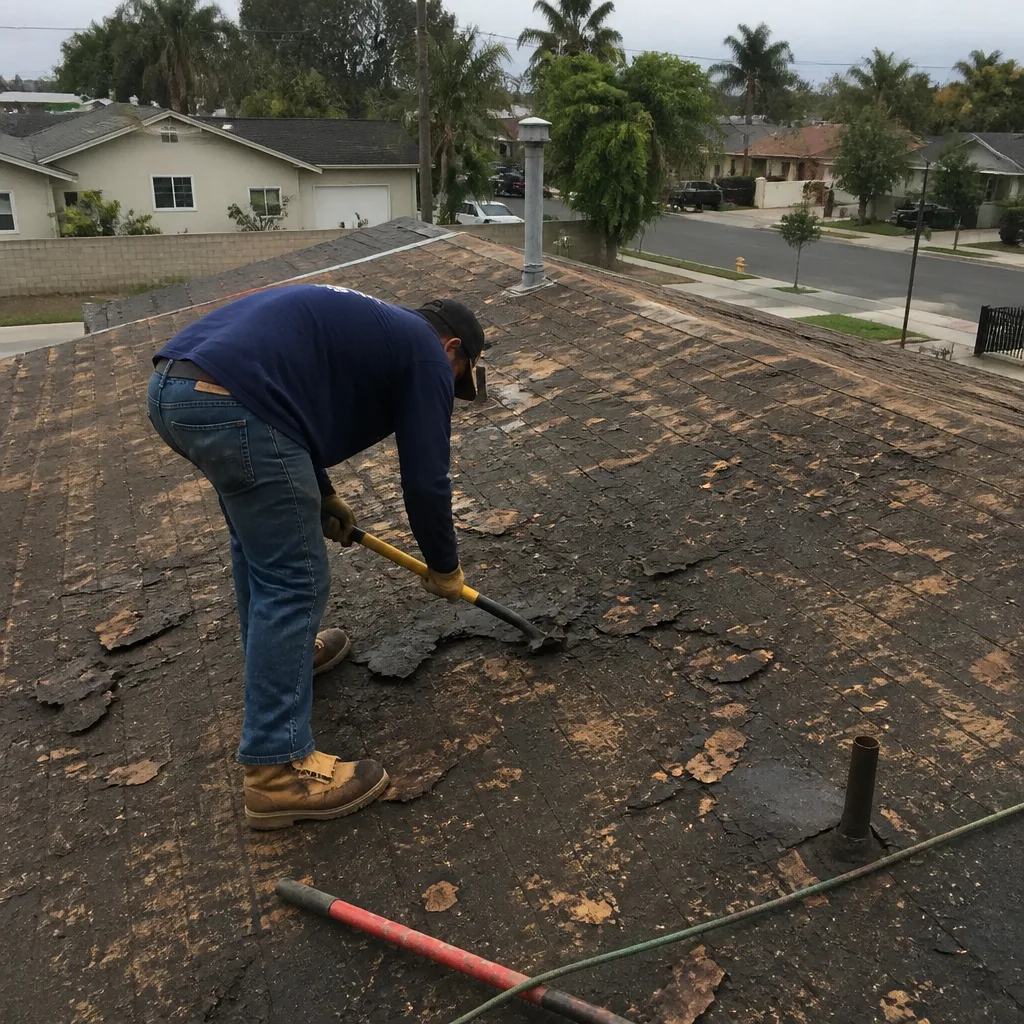 Before
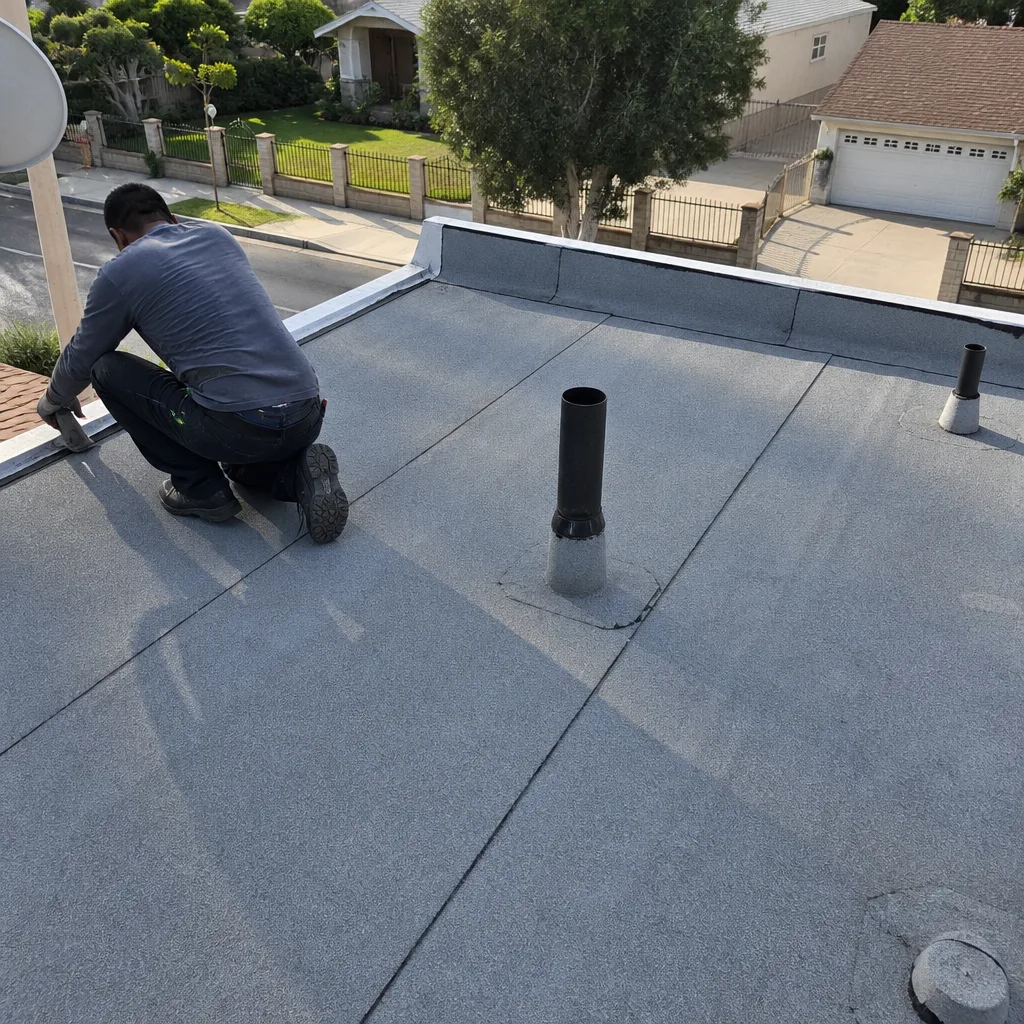 After
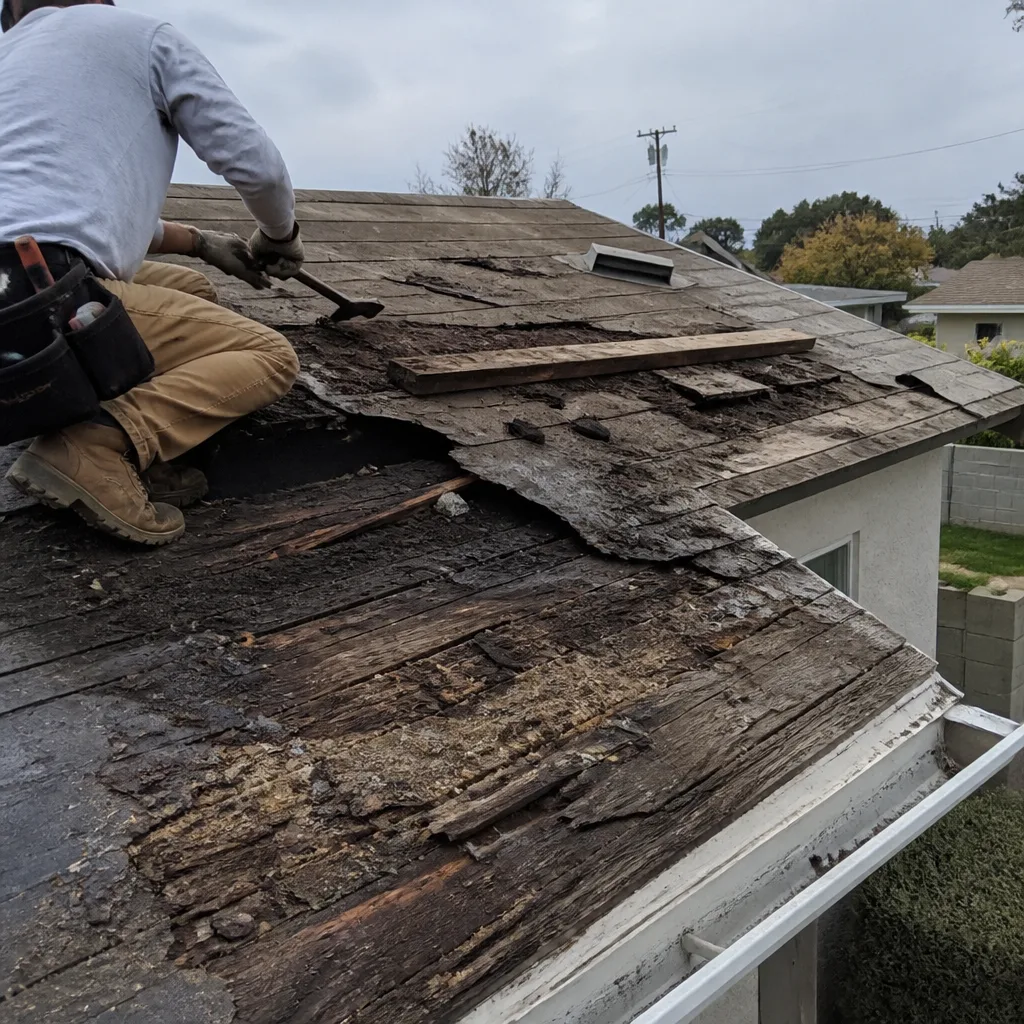 Before
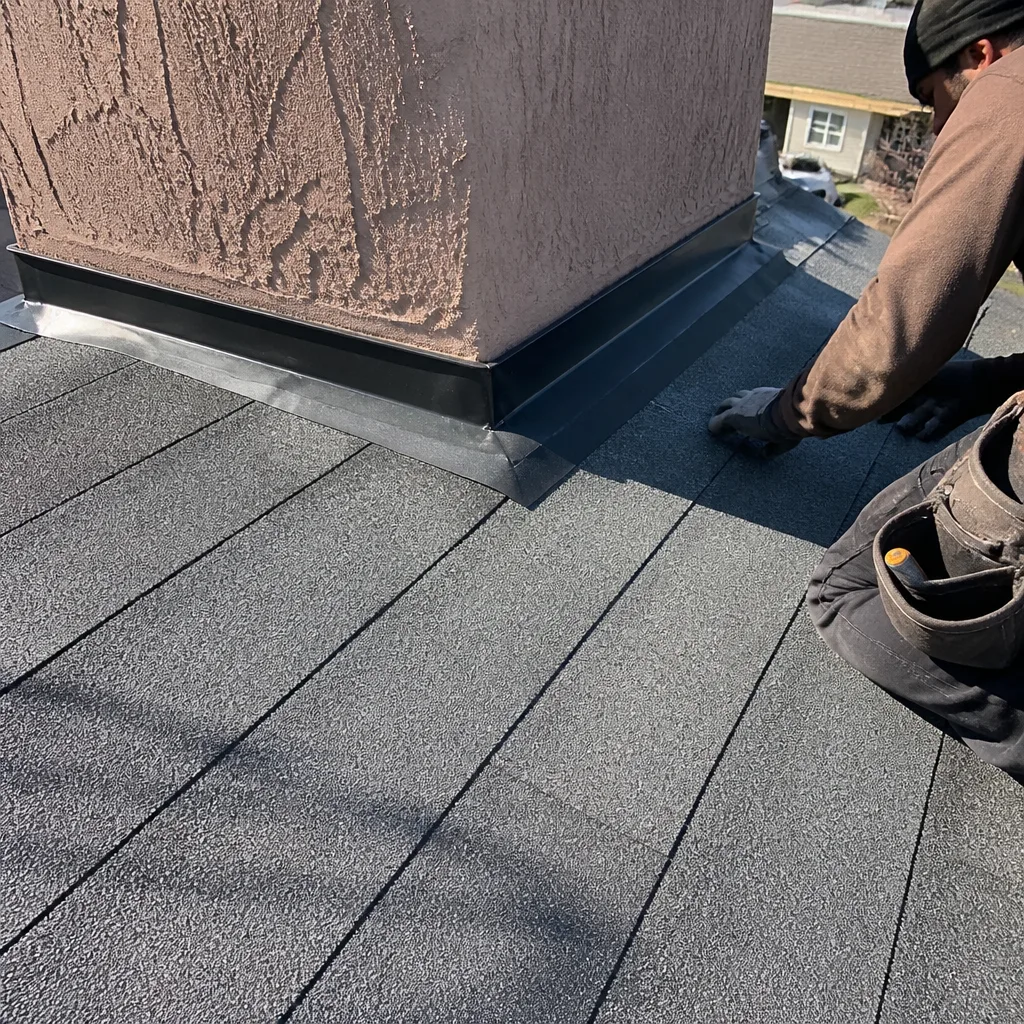 After
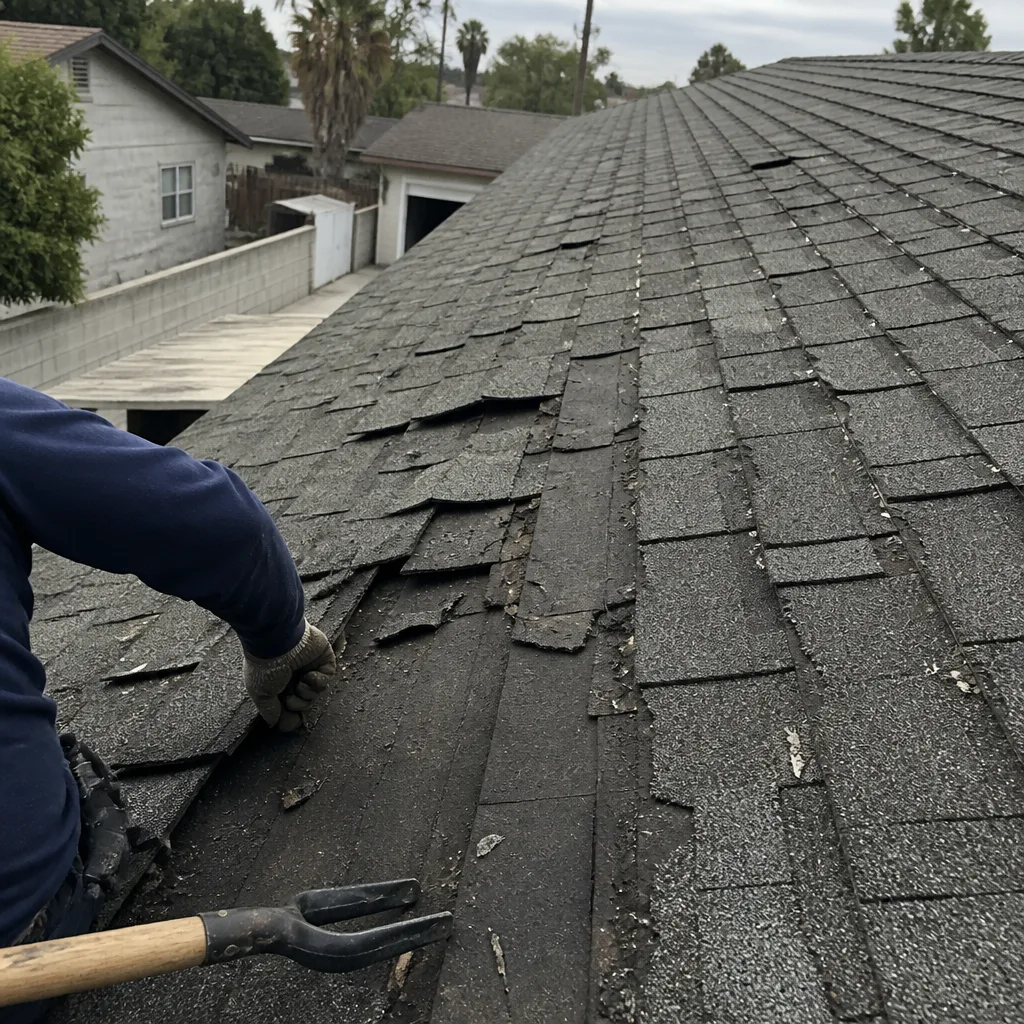 Before
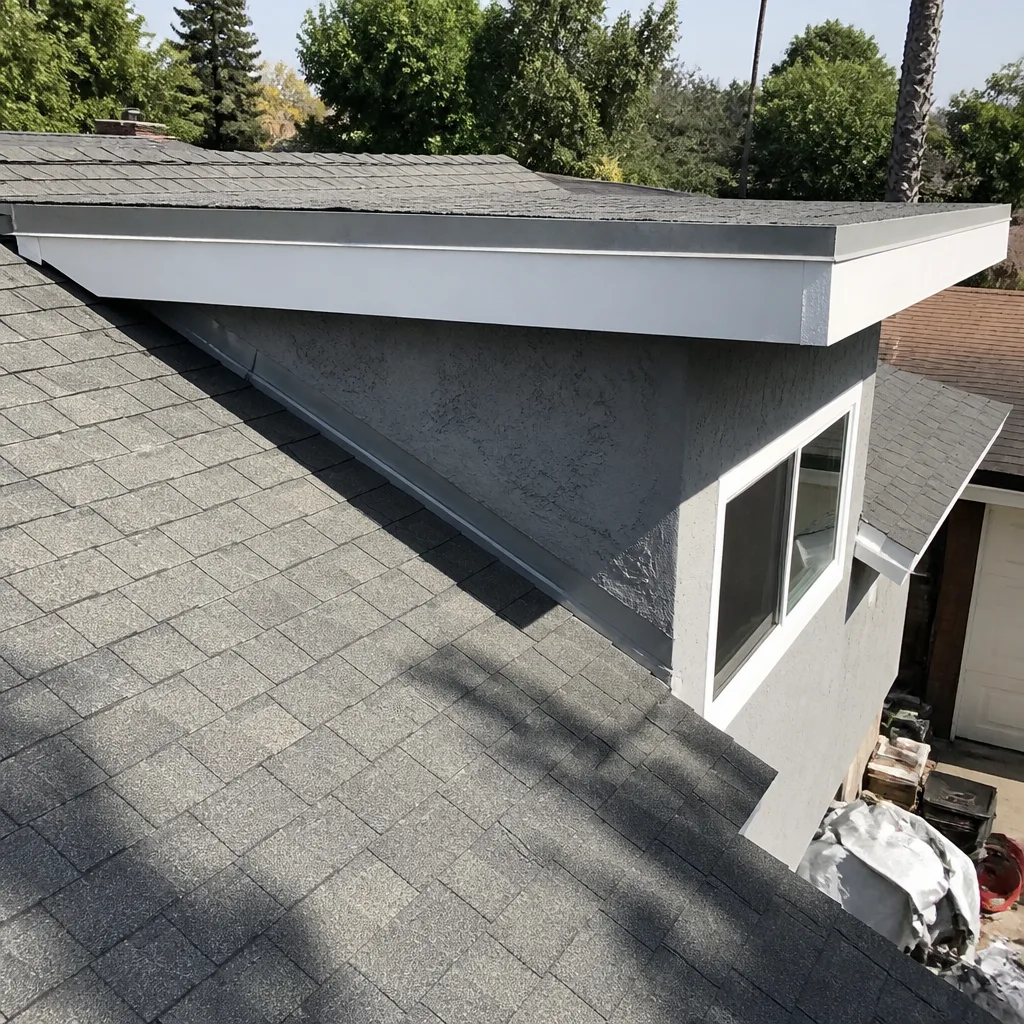 After