Last updated October 30, 2026
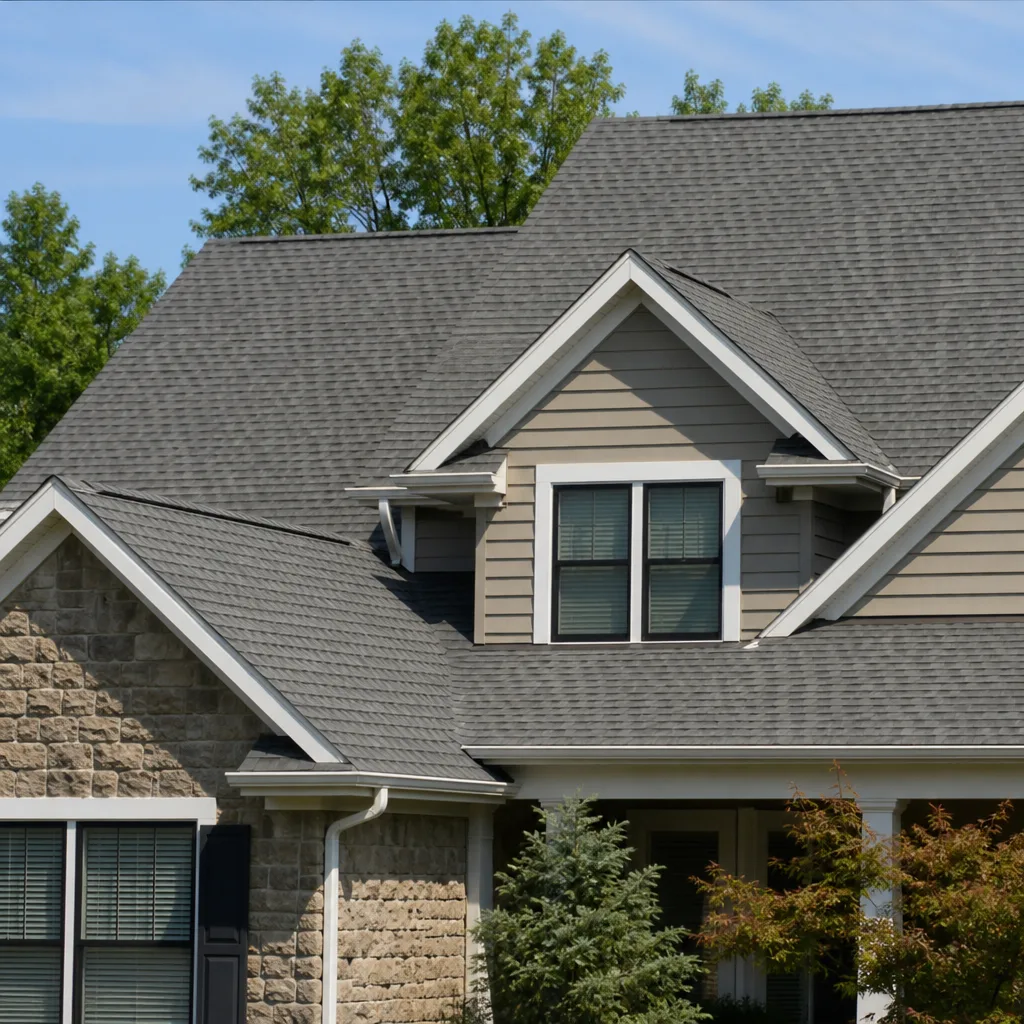 Architectural shingles
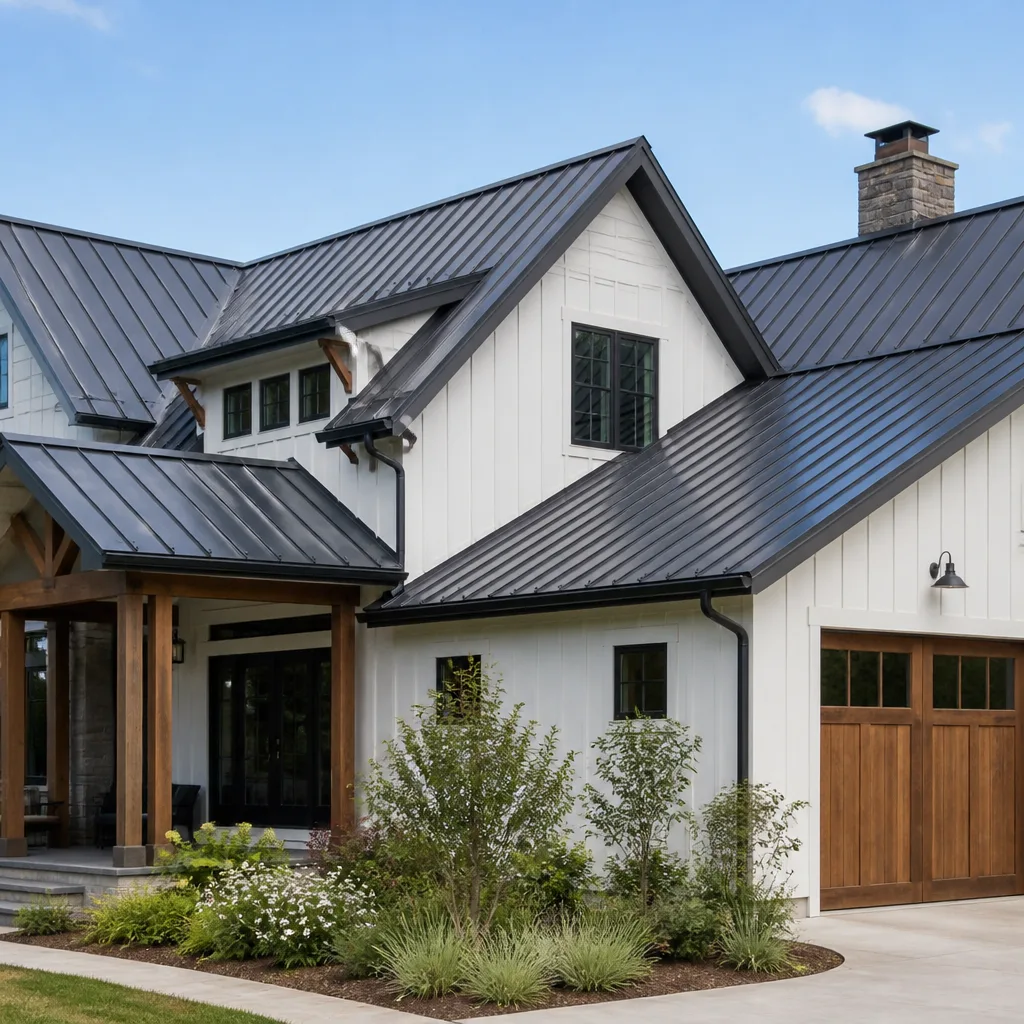 Metal roofing
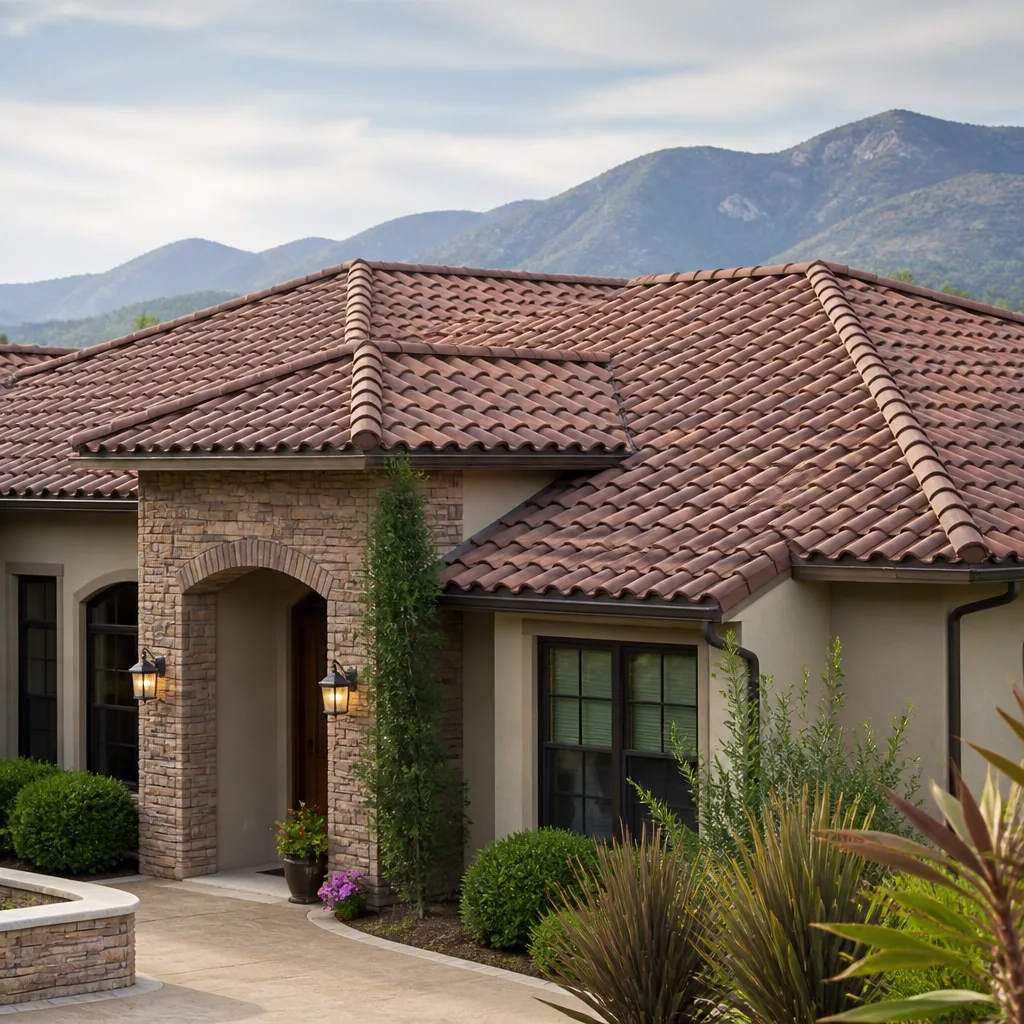 Tile roofing
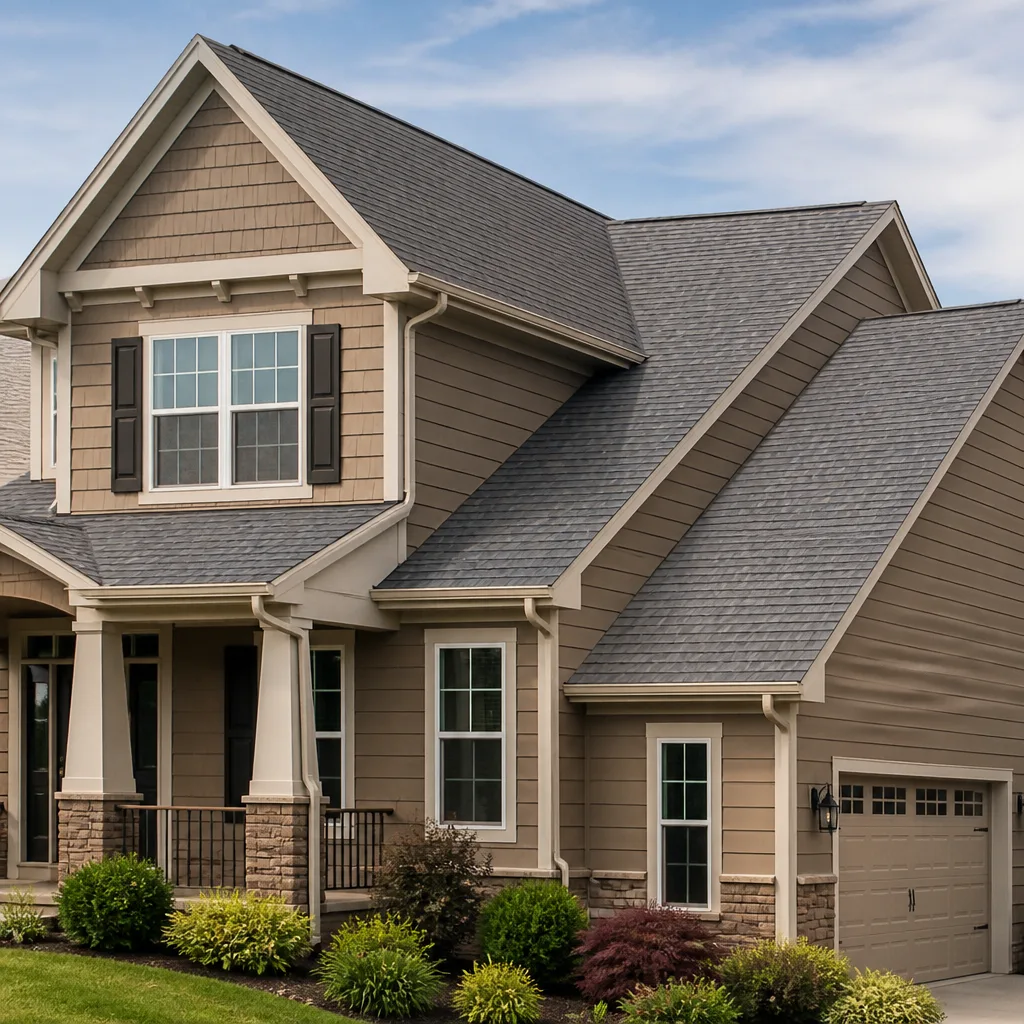 GAF
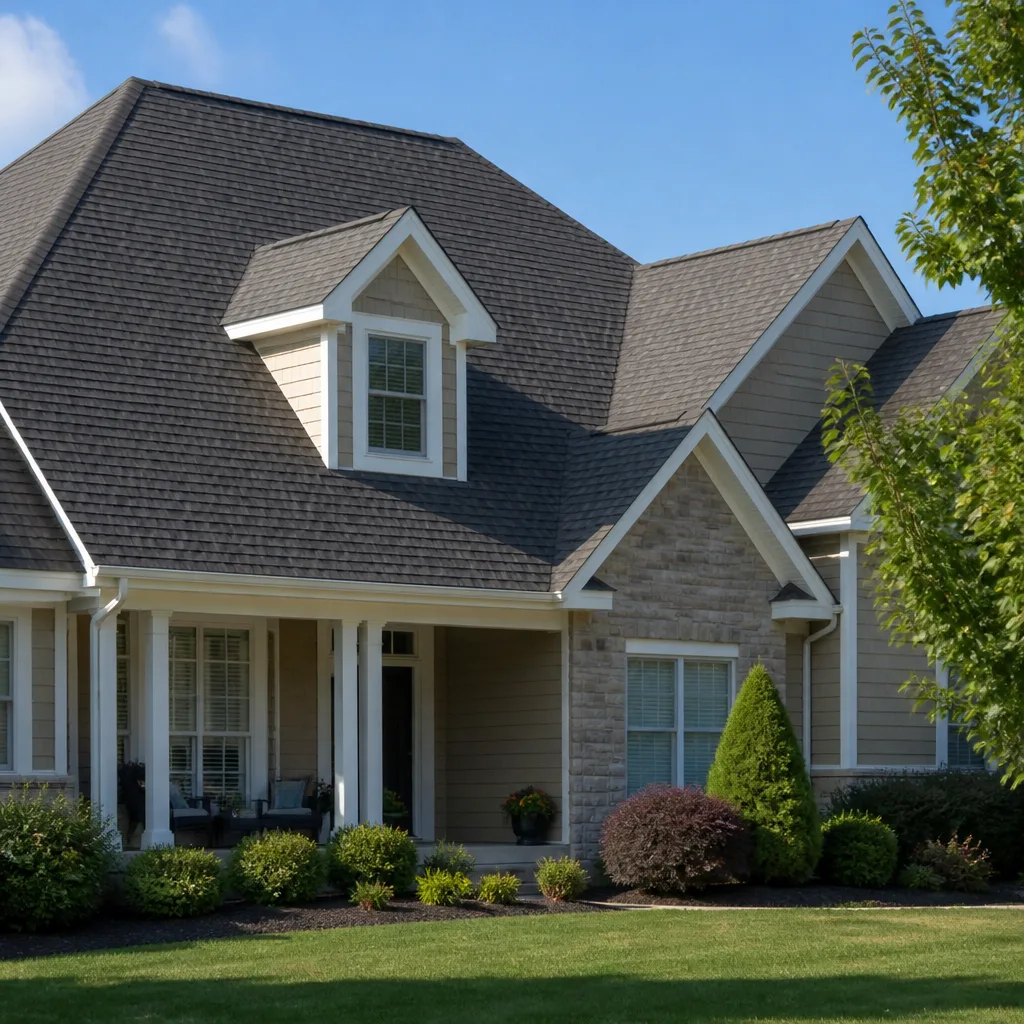 Owens Corning
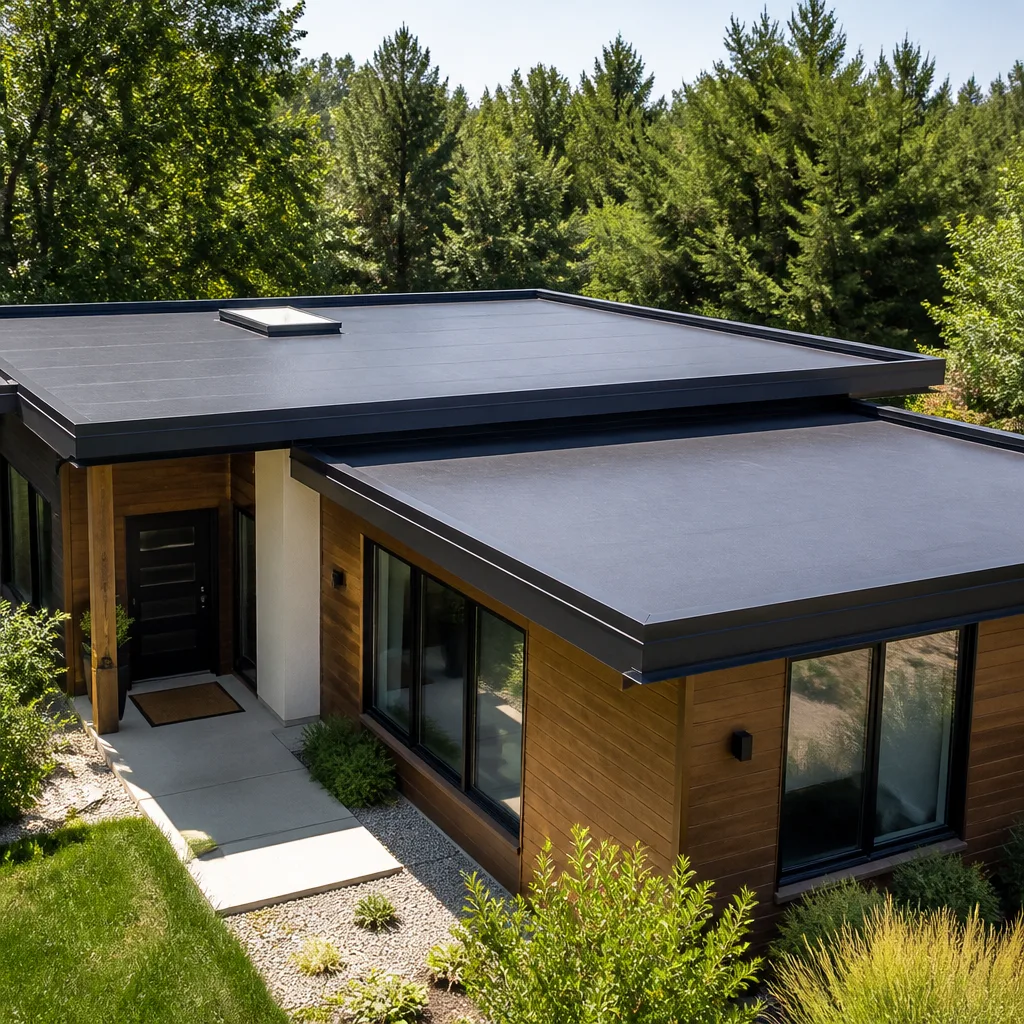 Flat & low-slope
Free roof inspection with deck photos before we talk money - GAF and Owens Corning certified installation
The Complete Roof Repair Guide for Inglewood Homeowners
Most Inglewood roofs that fail catastrophically were repairable for under $800 two years earlier. The problem wasn’t the roof. It was that nobody told the homeowner which warning signs actually matter in this specific climate. A hairline crack near the curb on a flat roof. A patch of granules collecting in the gutter. A shingle edge starting to lift on the ocean-facing slope. Each one is a quiet signal, and each one has a repair window that closes. This guide maps the full failure sequence Inglewood roofs follow, stage by stage, so you can intervene at the right moment instead of the most expensive one.
Quick Answer
Our Roof Repair services in Inglewood typically cost between $350 and $1,800 depending on where your roof sits in the local failure sequence. The most common issues here are granule loss from marine layer moisture, edge curl on asphalt shingles, and seam failures on flat or low-slope roofs common in older Inglewood housing stock. Catching problems at the granule-loss or exposed-mat stage usually means a repair under $800; waiting until deck saturation can push costs past $4,000. Call (866) 361-1724 for a free inspection and an honest assessment of where your roof actually stands.
Styles & brands we work with
Table of Contents
- Why Inglewood’s Climate Punishes Roofs Differently
- The Inglewood Failure Sequence: Five Stages From Crack to Collapse
- Flat Roofs vs. Pitched Roofs: Two Different Repair Logics
- How to Document Roof Damage Before Calling Any Contractor
- Which Repairs Are DIY-Safe and Which Void Your Warranty
- What Roof Repairs Actually Cost in Inglewood
- How to Choose a Roof Repair Contractor in Inglewood
- Common Mistakes to Avoid
- When to Call a Professional
- Frequently Asked Questions
Why Inglewood’s Climate Punishes Roofs Differently
A roof in Inglewood lives a different life than a roof in Riverside or Rancho Cucamonga. The marine layer that rolls in from Santa Monica Bay does not just bring cool air. It brings moisture that sits on roofing surfaces for hours at a time, sometimes all night, and then burns off under late-morning sun. That repeated wet-dry cycling is the quiet engine behind most roof failures we see in this city.
Here is what that cycle does to an asphalt shingle. The shingle absorbs moisture during the overnight marine layer event. The granular surface swells slightly. By 11 a.m., the sun has dried it out and the surface contracts. Do this 200 times a year for a decade and the bond between the granules and the asphalt mat begins to weaken. Granules loosen. They wash into gutters. The asphalt beneath, now exposed, oxidizes faster under UV. The shingle becomes brittle. It cracks. Water gets through.
Inland climates get heat, but they do not get this same repeated moisture cycle. That is why a 20-year architectural shingle in Inglewood may show meaningful granule loss at year 12, while the same shingle in Temecula looks nearly new. The climate is not just a background detail. It is the primary driver of the repair timeline.
Then there are the Santa Ana winds. When they blow from the northeast in fall and early winter, they hit the north-facing and east-facing slopes of Inglewood homes with gusts that can lift shingle edges that have already started to curl. A shingle that was merely cosmetically damaged becomes a tear point. Wind-driven rain gets under the lifted edge. The leak that follows often gets blamed on the wind event, but the truth is the roof was already failing before the wind arrived. The Santa Anas simply exposed it.
Older Inglewood neighborhoods, especially the areas east of La Brea and around Centinela Park, have a high concentration of homes built between 1940 and 1975. Many of those roofs are either original or on their second covering. Some have had a third layer added. That layering matters, because it changes how repairs are done, and it changes what a repair can reasonably accomplish. We will get into that in the failure sequence below.
One more local factor: roof orientation. Homes with large south-facing roof planes get more direct sun, which accelerates granule loss and asphalt oxidation. Homes with shaded north-facing planes hold moisture longer, which encourages moss and algae growth that can lift granules from below. Neither orientation is safe from the Inglewood cycle. They just fail differently.
The Inglewood Failure Sequence: Five Stages From Crack to Collapse
Roofs in Inglewood do not fail randomly. They follow a predictable sequence. Understanding that sequence is the single most valuable thing a homeowner can do, because each stage has a repair window and a cost range. Intervening at stage two costs a fraction of intervening at stage four. Here is the full progression as we see it in this city.
Stage 1: Granule Loss (Repair cost: $250 – $650)
The first visible sign is granules in the gutter. Not a handful. A consistent accumulation every time anyone checks. On the roof itself, you may see bald patches where the granular surface has worn thin and the dark asphalt beneath is starting to show through. At this stage, the shingle is still shedding water. It is not leaking. But it is losing its UV protection.
What to do at this stage: get an Roof Inspection in Inglewood to determine whether the granule loss is isolated or systemic. Isolated loss on one slope may mean that slope gets more sun or wind exposure. Systemic loss across the whole roof means the shingles are aging out and you should start budgeting for replacement within 3 to 5 years.
At this stage, a repair may be as simple as replacing a few damaged shingles or applying a UV-protective coating on a flat roof section. The key is to document the granule loss so you can track how fast it progresses between inspections.
Stage 2: Exposed Mat (Repair cost: $400 – $900)
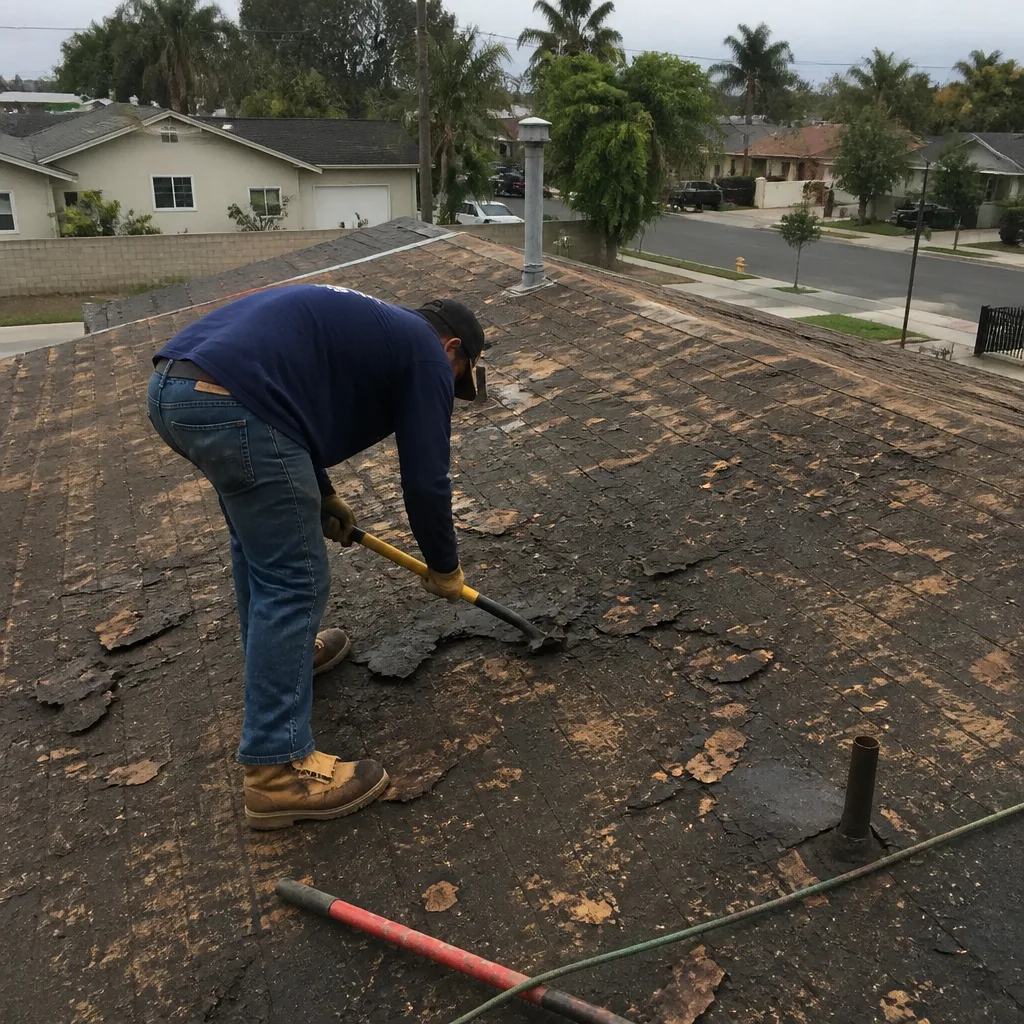
When granule loss progresses, the underlying fiberglass or organic mat becomes visible. It looks like dark patches or streaks on the shingle. The mat is not waterproof on its own. It relies on the asphalt coating, which relies on the granules for UV protection. Once the mat is exposed, the shingle is degrading fast.
In Inglewood, this stage often shows up first on the west-facing and south-facing slopes, where afternoon sun is strongest. It also shows up on roofs that have been walked on repeatedly by HVAC technicians, satellite installers, or previous roofers doing repairs.
Repair at this stage usually means targeted shingle replacement. If the exposed mat is limited to a small area, a roofer can replace 10 to 30 shingles and extend the life of the roof by several years. If the exposed mat is widespread, you are looking at full replacement sooner rather than later, and a repair-first contractor should tell you that plainly.
Stage 3: Edge Curl and Wind Lift (Repair cost: $350 – $1,200)
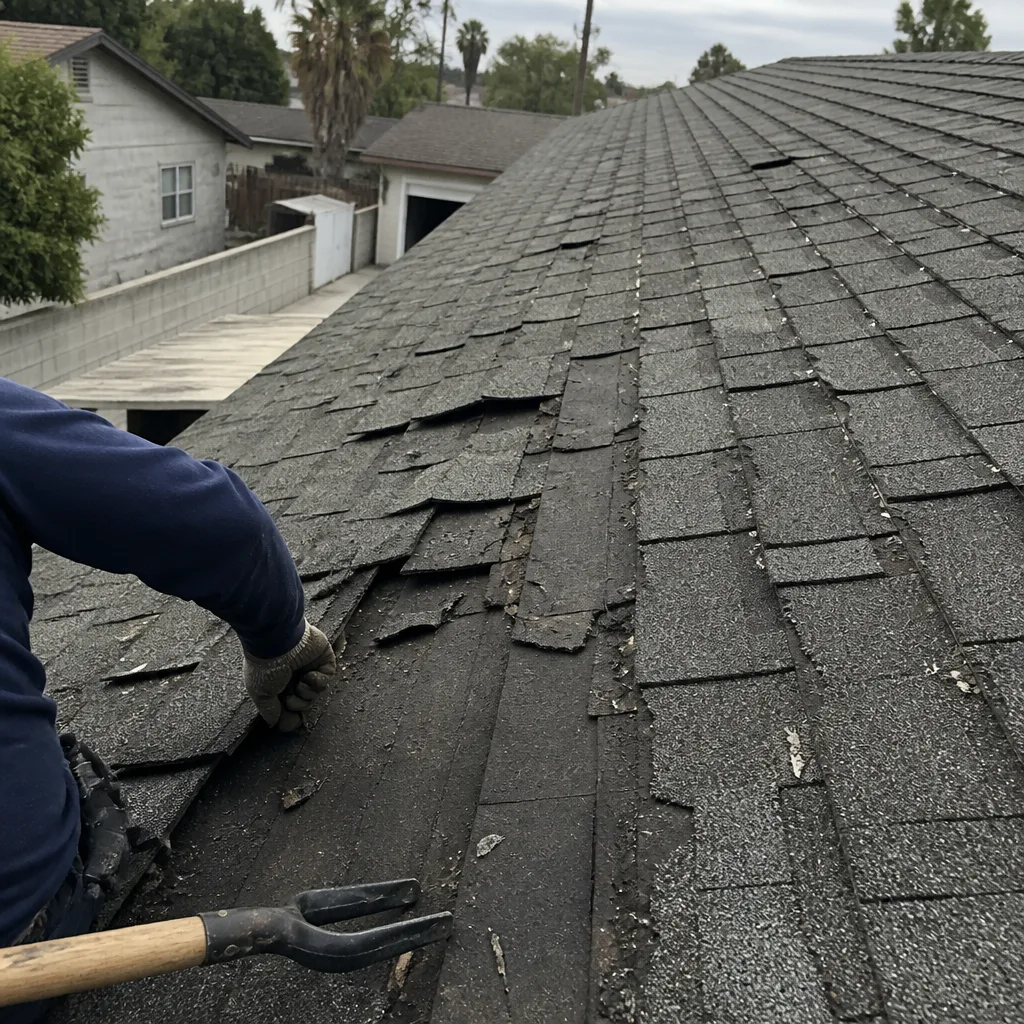
The next stage is physical deformation of the shingle. Edges curl upward. Corners lift. The shingle no longer lies flat against the one below it. In Inglewood, we see this most on roofs that have been through multiple Santa Ana wind seasons. The wind gets under the curled edge, works it back and forth, and eventually tears it or folds it back.
Edge curl is a sign that the shingle is losing its flexibility. It is drying out. The asphalt is becoming brittle. Once a shingle curls, it will not flatten back down. It needs to be replaced.
This is also the stage where small, localized repairs have the highest success rate. If the curling is isolated to a few shingles near the roof edge or around a penetration, replacing those shingles and resealing the surrounding area can stop the problem for years. If curling is present across entire slopes, that is a different conversation about reroofing.
Stage 4: Deck Saturation (Repair cost: $1,500 – $4,500)
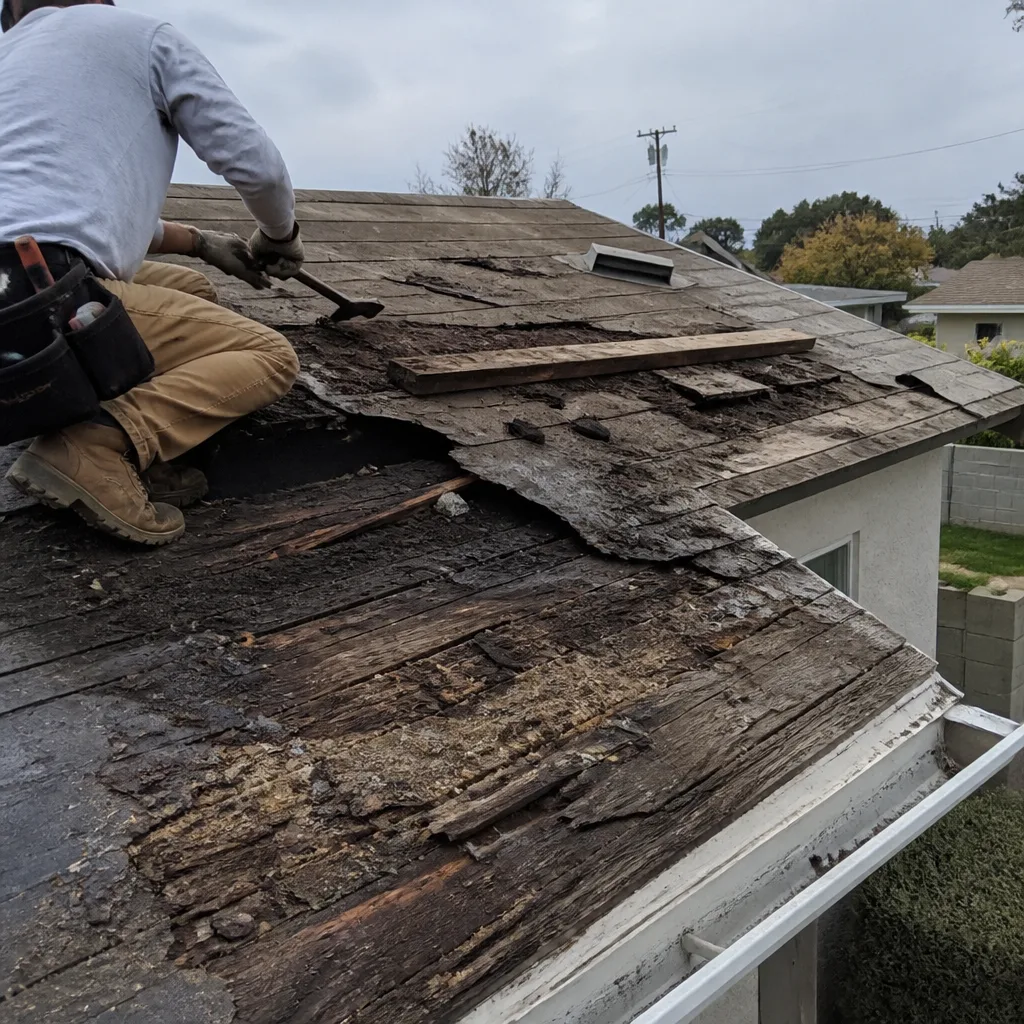
This is the point where the roof is actively leaking and the decking beneath the shingles is getting wet. Water is no longer running off the roof. It is getting under it. In Inglewood, deck saturation often stays hidden for months because the leaks are small and the water is absorbed by insulation or drywall before anyone notices a ceiling stain.
Repair at this stage requires more than shingle replacement. The roofer has to open the roof, inspect the decking, replace any rotted sections, install new underlayment, and then replace the shingles. The cost jumps because the repair is no longer surface-level.
We have seen homes in the Morningside Park and Arbor Village neighborhoods where a small leak near a plumbing vent went unnoticed for two years. By the time the homeowner saw the ceiling stain, the decking beneath was soft and three roof rafters needed reinforcement. The original repair would have been under $500. The actual repair was over $4,000.
Stage 5: Structural Involvement (Repair cost: $6,000+)
At this stage, the roof structure itself is compromised. Rafters or trusses are rotted. The roof deck sags visibly. In extreme cases, we have seen roofs where the decking is so degraded that walking on it is unsafe. This is no longer a roof repair. It is a structural repair that includes roof replacement.
Stage 5 is almost always the result of deferred maintenance. The homeowner ignored stages 2, 3, and 4 because there was no obvious leak. By the time there was a leak, the damage was already structural.
This is the sequence we want Inglewood homeowners to understand. The gap between a $500 repair and a $6,000 repair is usually about 3 to 5 years of missed warning signs. The roof does not fail suddenly. It fails slowly, and it tells you the whole time.
Flat Roofs vs. Pitched Roofs: Two Different Repair Logics
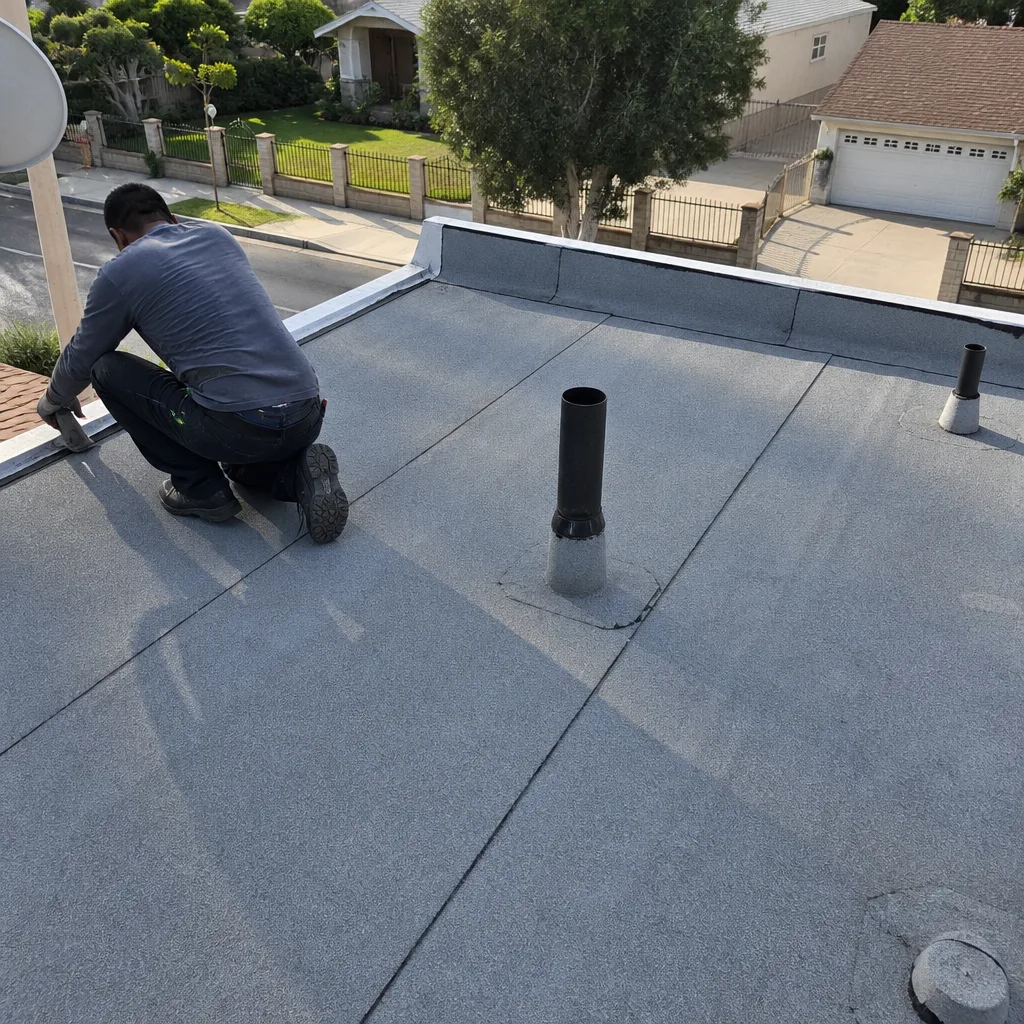
A significant portion of Inglewood’s older housing stock has flat or low-slope roofs, especially homes built between the 1940s and the 1960s. These roofs do not behave like pitched shingle roofs. They fail differently, they repair differently, and they require a different inspection approach.
On a pitched roof, water runs off quickly. The primary failure mode is shingle degradation from UV and moisture cycling. On a flat roof, water pools. It sits. It finds seams, flashings, and low spots. The primary failure mode is standing water penetration through seams and membrane breaches.
Flat roofs in Inglewood are typically covered with one of three systems: modified bitumen, built-up roofing (BUR), or single-ply membrane like TPO or PVC. Each has different repair requirements:
- Modified bitumen fails most often at seams and around penetrations. Repair usually involves torching or adhering a patch over the failed area. The good news is patches can be matched to the existing membrane so the repair is not conspicuous.
- Built-up roofing fails through surface cracking as the asphalt becomes brittle over years of sun exposure. Repairs involve cleaning the cracked area, applying new asphalt, and embedding reinforcement fabric.
- Single-ply membranes fail at welds and around penetrations. Repairs are typically heat-welded patches that can restore waterproofing for years if done correctly.
The repair logic for flat roofs is different from shingle roofs in one crucial way: on a flat roof, a small leak is not necessarily a sign of a failing roof. It may be a single breached seam with an otherwise sound membrane. A roofer who defaults to “you need a new roof” without investigating the specific leak point is not doing you any favors. At Chatham Roof Repair, we start every flat roof call with the question: where exactly is the water getting in, and is that breach isolated or systemic?
That is the difference between a $700 seam repair and a $12,000 full replacement. The honest answer depends on the roof, not on the roofer’s revenue goals.
One more Inglewood-specific flat roof issue: leaf and debris accumulation. Mature trees in neighborhoods like Grace Park and South Inglewood drop leaves that collect in flat roof low spots and around drain scuppers. Those leaves hold moisture against the membrane for weeks at a time. They also clog drains, which creates standing water, which is the single most destructive condition for a flat roof. The fix is simple: keep drains clear and remove debris at least twice a year. But most homeowners never do it, and the roof pays the price.
How to Document Roof Damage Before Calling Any Contractor
Here is the situation most Inglewood homeowners face: they know something is wrong with their roof, but they do not know how to describe it. So when contractors give wildly different quotes, they have no way of evaluating which one is accurate.
The solution is to document the damage before you pick up the phone. This is not complicated. It takes about 30 minutes. And it puts you in a position to compare quotes on equal terms.
Here is the step-by-step process we recommend:
- Photograph the entire roof surface. Use a ladder if you are safe doing so, or a phone camera with good zoom from the ground. Capture each slope or section separately. You want photos that show the overall condition and any visible issues.
- Photograph specific damage close-up. Granule loss, curling edges, exposed mat, cracked tiles, rusted flashing, pooling water. Hold something in the frame for scale, like a quarter or a pen.
- Check the gutters. Photograph any granule accumulation. The color and quantity of granules tells a story about how fast your roof is aging.
- Inspect the attic if you have one. Look for water stains on the underside of the decking, rust on nails, damp insulation, or visible light coming through small holes. Photograph anything you find.
- Note the roof’s orientation. Mark which slopes face north, south, east, and west. In Inglewood, damage patterns often follow orientation, and a roofer who knows this can diagnose the cause more accurately.
- Write a one-paragraph description. Include the roof’s approximate age if you know it, any repairs that have been done, and any leaks you have noticed. Do not guess at technical terms. Describe what you see in plain language.
With this documentation in hand, you can send the same information to every contractor you contact. The quotes you get back will be far more comparable, because every roofer is pricing the same observed conditions. And if a contractor tries to tell you the damage is worse than you documented, you have a baseline to push back.
We have had Inglewood homeowners bring us documentation that saved them thousands of dollars. One homeowner near Fox Hills had three contractors tell her she needed a full replacement. Her documentation showed granule loss on one slope only. Our inspection confirmed the other three slopes were in good condition. She got a targeted Roof Repair in Inglewood for under $900 and that roof is still performing three years later.
Which Repairs Are DIY-Safe and Which Void Your Warranty
Some roof repairs are genuinely within the reach of a capable homeowner. Others are not, and attempting them either creates liability or voids the manufacturer warranty on your roofing material. For help deciding, see our DIY vs Professional Roofing: The Inglewood Homeowner’s Decision Guide. Knowing the difference is worth real money.
DIY-safe repairs (if you are comfortable on a ladder and the roof is walkable)
- Gutter and drain cleaning. The single highest-value DIY maintenance task for Inglewood flat roofs. No climbing onto the roof required. Just clear the debris that is holding water against the membrane.
- Caulking small gaps around roof penetrations. If you can see a visible gap around a vent pipe or exhaust flue, a tube of roofing-grade sealant can close it. Use a product made for roofing, not general-purpose caulk.
- Replacing a single damaged shingle. If you have a spare shingle or can match the color, one shingle replacement is within DIY range. Watch a few instructional videos first. Work on a dry, cool day. And always use a proper ladder stabilizer.
- Spot-treating moss or algae. A diluted bleach solution applied to affected areas can kill growth before it lifts granules. Do this on a calm day and protect surrounding landscaping.
Repairs that require a professional (and why)
- Flat roof membrane repairs. Modified bitumen, BUR, and single-ply repairs require material-specific techniques and often heat-welding equipment. A DIY patch that fails creates a bigger leak than the original problem.
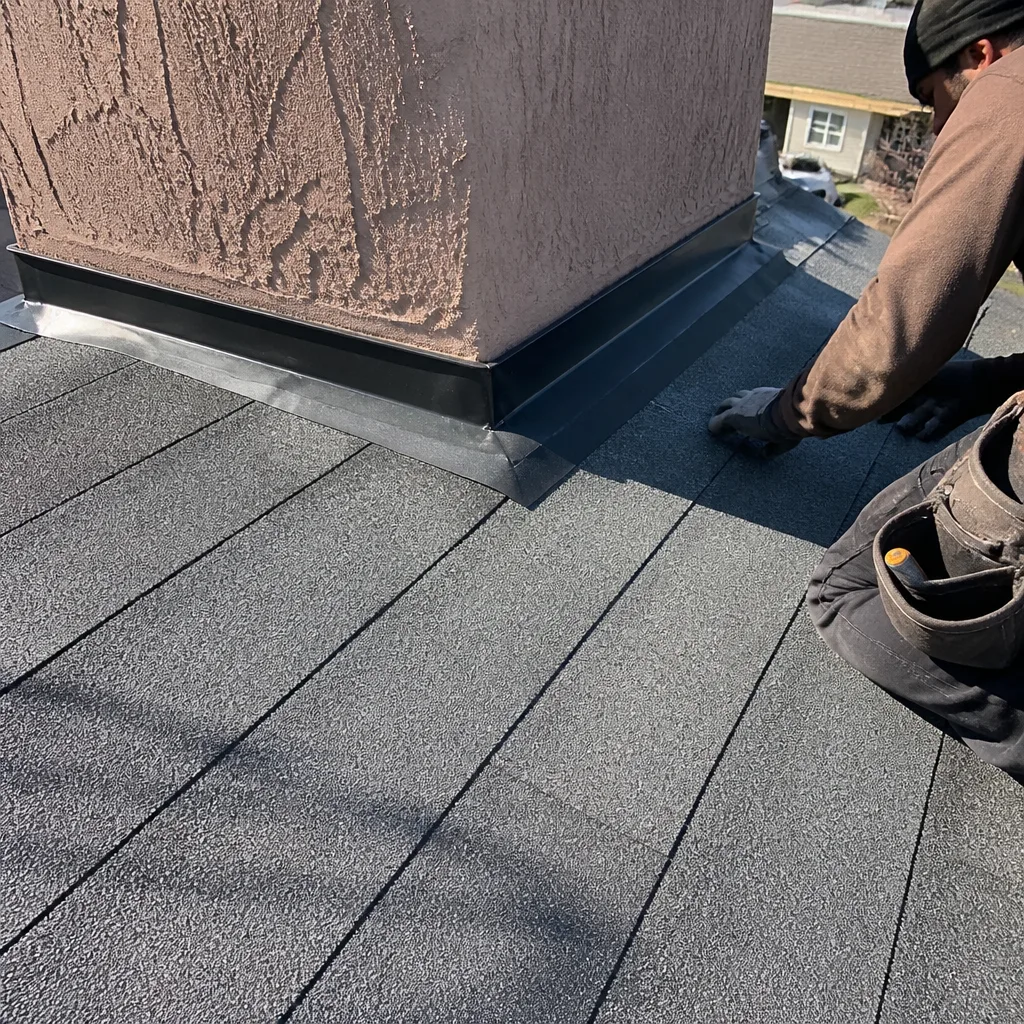
- Any repair involving flashing. The flashing around chimneys, skylights, and roof-to-wall transitions is where most leaks originate. Proper flashing repair requires bending metal to specific profiles and sealing it correctly. Botched flashing work is worse than no repair at all.
- Structural decking replacement. If the decking is soft or rotted, that is a structural repair. It requires opening the roof, removing the damaged section, and replacing it before re-covering. This is not a weekend project.
- Any repair on a roof covered by a manufacturer warranty. Most manufacturer warranties from brands like GAF, CertainTeed, and Tamko require that repairs be performed by a qualified roofing contractor. Unauthorized repairs can void the warranty on the affected area or the entire roof, depending on the program terms. Before you DIY anything, check your warranty documents.
The safety point is worth making plainly. Working on a roof is inherently dangerous. Falls from even single-story roofs cause serious injuries every year. If you are not comfortable on a ladder, do not get on one. The $300 you save on a DIY repair is not worth a hospital bill or worse. At Chatham Roof Repair, we would rather talk you through a minor issue over the phone than see someone get hurt trying to save money.
What Roof Repairs Actually Cost in Inglewood
Roof repair pricing in Inglewood varies based on the stage of failure, the roof type, and the accessibility of the damaged area. Here is what we see across the city as of 2026:
| Repair Type | Typical Range in Inglewood | Notes |
|---|---|---|
| Minor shingle replacement (isolated, 5-15 shingles) | $250 – $650 | Depends on roof pitch and accessibility. Steep roofs cost more. |
| Flat roof seam patch | $400 – $900 | Modified bitumen and BUR patches fall in this range. |
| Flashing repair (chimney, skylight, or wall transition) | $500 – $1,400 | Chimney flashing is the most labor-intensive. |
| Underlayment repair with decking patch | $800 – $2,000 | Cost rises with the size of the decking area replaced. |
| Full roof section repair (one slope) | $1,500 – $3,500 | Typically involves stripping and replacing a full slope. |
| Flat roof full resurfacing | $4,000 – $12,000 | Depends on system chosen and roof size. |
These numbers are not quotes. They are ranges based on what we see across Inglewood’s housing stock. Your roof will fall somewhere in or near these ranges depending on its specific condition.
One note that matters: the cheapest quote in Inglewood is rarely the best value. A contractor who quotes $250 for a repair that should take half a day of labor is either cutting corners on materials or planning to find “unexpected” damage once the work starts. The honest price is the one backed by a written line-item quote that explains exactly what will be done and what materials will be used.
Chatham Roof Repair provides written line-item quotes for every repair. No change orders once work starts. That policy exists because we want Inglewood homeowners to know exactly what they are paying for before any work begins.
How to Choose a Roof Repair Contractor in Inglewood
Choosing a roofer in Inglewood is harder than it should be. For guidance, read How to Hire a Roofing Contractor in Inglewood: A Step-by-Step Guide. The city has dozens of roofing contractors, and they do not all approach the work the same way. Some are repair-first. Some are replacement-first. Some are general contractors who happen to offer roofing as one service among many.
Here are the questions we recommend asking any contractor before you sign anything:
- Do you perform inspections before recommending work? A contractor who quotes a repair without looking at the roof is guessing. Chatham Roof Repair never provides a repair quote without an inspection.
- What roofing brands do you install and repair? A contractor who only works with one brand is limited by that brand’s product line. Chatham Roof Repair installs products from seven major manufacturers: GAF, CertainTeed, Owens Corning, IKO, Atlas, Tamko, and Boral. That means we can match your existing roof system rather than forcing a brand change.
- Is roofing your primary trade? A general contractor who offers roofing as one of a dozen services may be excellent at other things, but roofing is a discipline. At Chatham, roofing is all we do. That concentration shows in the details.
- Will you provide a written line-item quote? If the answer is no, walk away. A verbal quote is not a quote.
- What is your repair-first approach? A good roofer looks for the repair before recommending replacement. If a contractor opens with “you need a new roof” without investigating the specific damage, get a second opinion.
One more thing to consider: brand matching. If your home has CertainTeed shingles and a repair uses Tamko shingles, the color and profile may not match, and the manufacturer warranty on the repaired area may not apply. Multi-brand capability is not a luxury. It is a warranty and appearance issue.
Chatham Roof Repair was built on the idea that inspection, repair, and replacement should be handled by one company with one standard. No hand-off between the inspector who finds the problem and the crew that fixes it. You can read more about our Roof Repair in Inglewood or explore Roof Replacement in Inglewood if you are at the stage where replacement is worth evaluating.
Common Mistakes to Avoid
- Ignoring granule loss because there is no leak. Granule loss is the first sign that your shingles are losing their protection. Waiting until a leak appears means waiting until the damage is deeper and more expensive to fix.
- Never cleaning flat roof drains and scuppers. In Inglewood’s tree-lined neighborhoods, clogged drains create standing water, and standing water is the fastest way to destroy a flat roof membrane.
- Choosing the cheapest quote without comparing scopes. A $250 quote and a $650 quote for the “same repair” are almost never for the same repair. Ask each contractor to describe exactly what they will do, in writing.
- Doing DIY repairs on a manufacturer-warranted roof. Unauthorized repairs can void coverage. Check your warranty terms before touching anything.
- Waiting until Santa Ana season to inspect the roof. By the time the winds arrive, the damage is already being done. Inspect in late summer, before the fall wind season.
- Assuming a flat roof leak means the whole roof needs replacement. A single breached seam on an otherwise sound membrane is a repair, not a reroof. Get a diagnostic inspection before accepting a replacement recommendation.
- Not documenting damage before calling contractors. Without photos and notes, you cannot compare quotes on equal terms, and you are vulnerable to inflated assessments.
When to Call a Professional
Call a roofing professional in Inglewood when you see granule accumulation in gutters, curling or lifting shingles, water stains on ceilings or attic decking, pooling water on a flat roof, or any visible crack in the membrane. Call immediately if a leak appears during rain or if you can see daylight through the roof from inside the attic. These are not wait-and-see situations.
If you are not sure what you are looking at, call anyway. A diagnostic inspection costs less than a missed repair, and the peace of having an experienced eye on the roof is worth it. Chatham Roof Repair offers free estimates in Inglewood. Call (866) 361-1724 to schedule yours. We will tell you what the roof actually needs, and what it doesn’t.
Frequently Asked Questions
Roof repair in Inglewood typically costs between $350 and $1,800 for most common issues, with more extensive repairs ranging from $2,000 to $4,500 when decking or structural work is involved. The cost depends on the failure stage, roof type, and accessibility. Call (866) 361-1724 for a free estimate and a written line-item quote.
The decision comes down to whether the damage is isolated or systemic. Isolated granule loss, a few curled shingles, or a single flat roof seam breach are typically repairable. Widespread granule loss, curling across entire slopes, or deck saturation usually means replacement is more cost-effective. A diagnostic inspection is the only way to know for sure.
Yes, if your contractor works with multiple manufacturers. Chatham Roof Repair installs products from seven major brands including GAF, CertainTeed, Owens Corning, IKO, Atlas, Tamko, and Boral, which allows us to match your existing shingles in profile, color, and warranty class. Single-brand contractors often cannot match what is already on your roof.
It depends on the cause of the damage. Insurance typically covers sudden, accidental damage like storm or wind damage, but not gradual wear and tear, granule loss, or age-related deterioration. Document the damage and check your policy before filing a claim. A roof inspection report can help support your claim.
Most isolated repairs in Inglewood are completed in one day. Flat roof seam patches and minor shingle replacements take 2 to 4 hours. Repairs involving decking replacement or full slope replacement take 1 to 2 days. Weather can affect scheduling, especially during the marine layer months when morning moisture delays adhesive curing.
Minor tasks like gutter cleaning, caulking small gaps, and replacing a single shingle are within DIY range for a capable homeowner. Flat roof membrane repairs, flashing work, and anything involving decking should be left to professionals. Unauthorized repairs on a warranted roof can void the manufacturer warranty. When in doubt, call (866) 361-1724 and we will tell you honestly whether the job is DIY-safe.
The Bottom Line
Roofs in Inglewood fail in a predictable sequence, and that sequence gives homeowners a clear advantage: every stage has a repair window and a known cost range. Granule loss is a $250 to $650 fix. Exposed mat is $400 to $900. Edge curl is $350 to $1,200. By the time you reach deck saturation, you are looking at $1,500 to $4,500, and structural involvement pushes past $6,000. The difference between a small repair and a major one is usually just attention. Check your roof twice a year. Document what you see. Act early. And when you need an honest assessment, Chatham Roof Repair home is one call away at (866) 361-1724.
Written by the team at Chatham Roof Repair, serving Inglewood since 2016.
See the difference
 Before
 After
 Before
 After
 Before
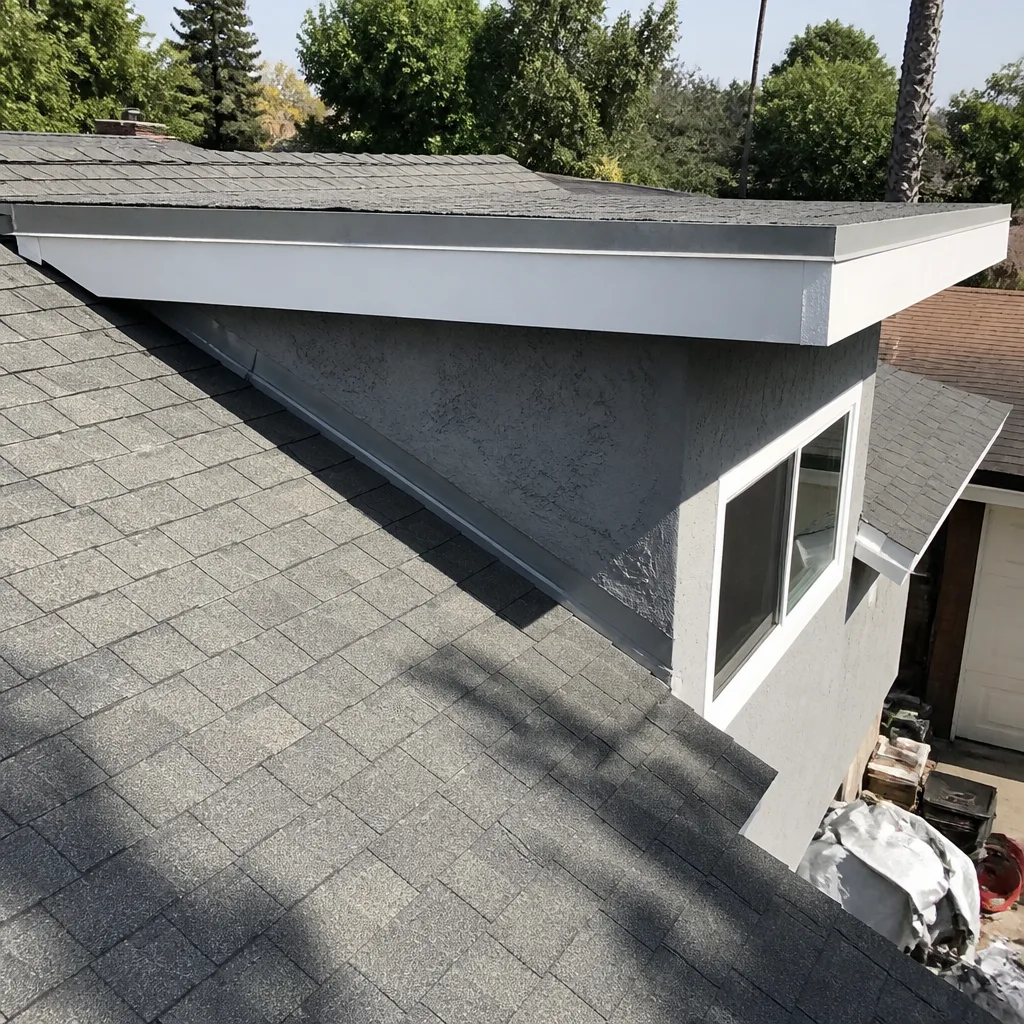 After