Last updated October 30, 2026
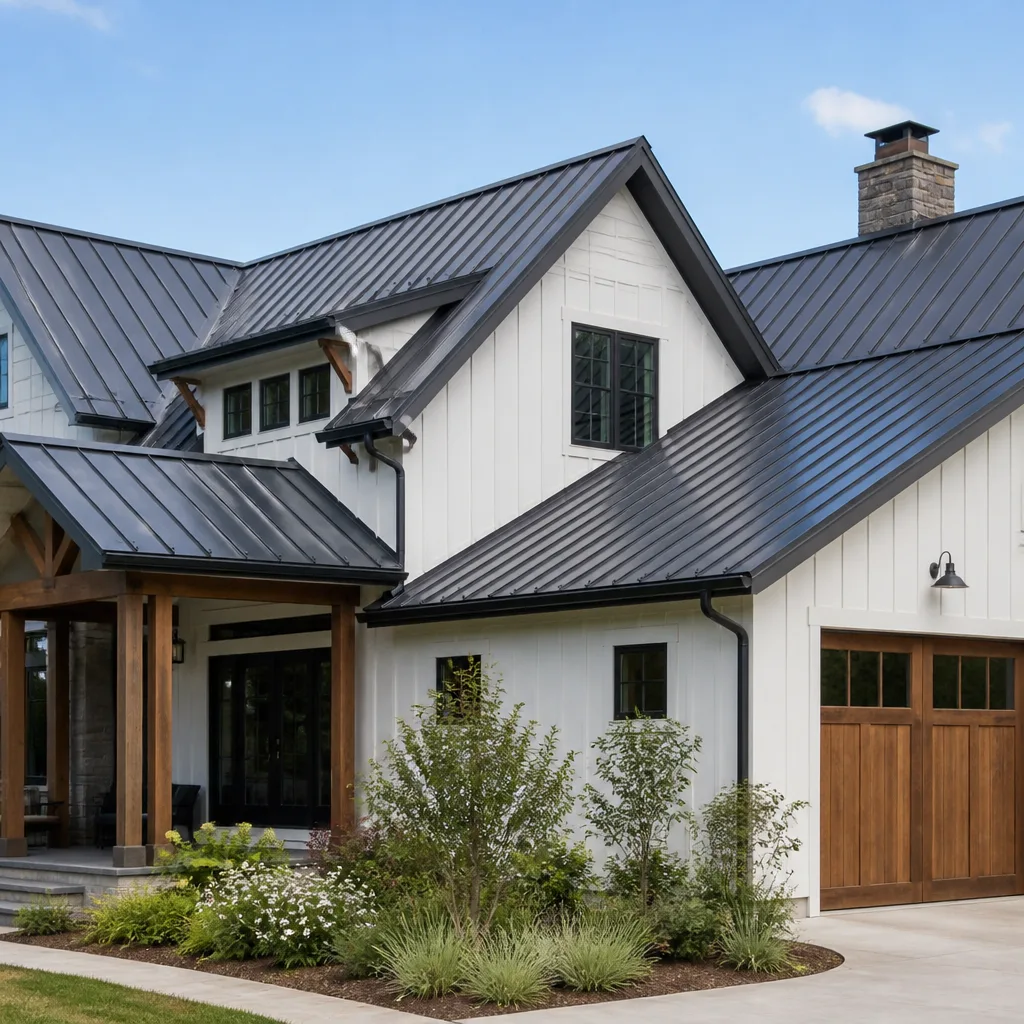 Metal roofing
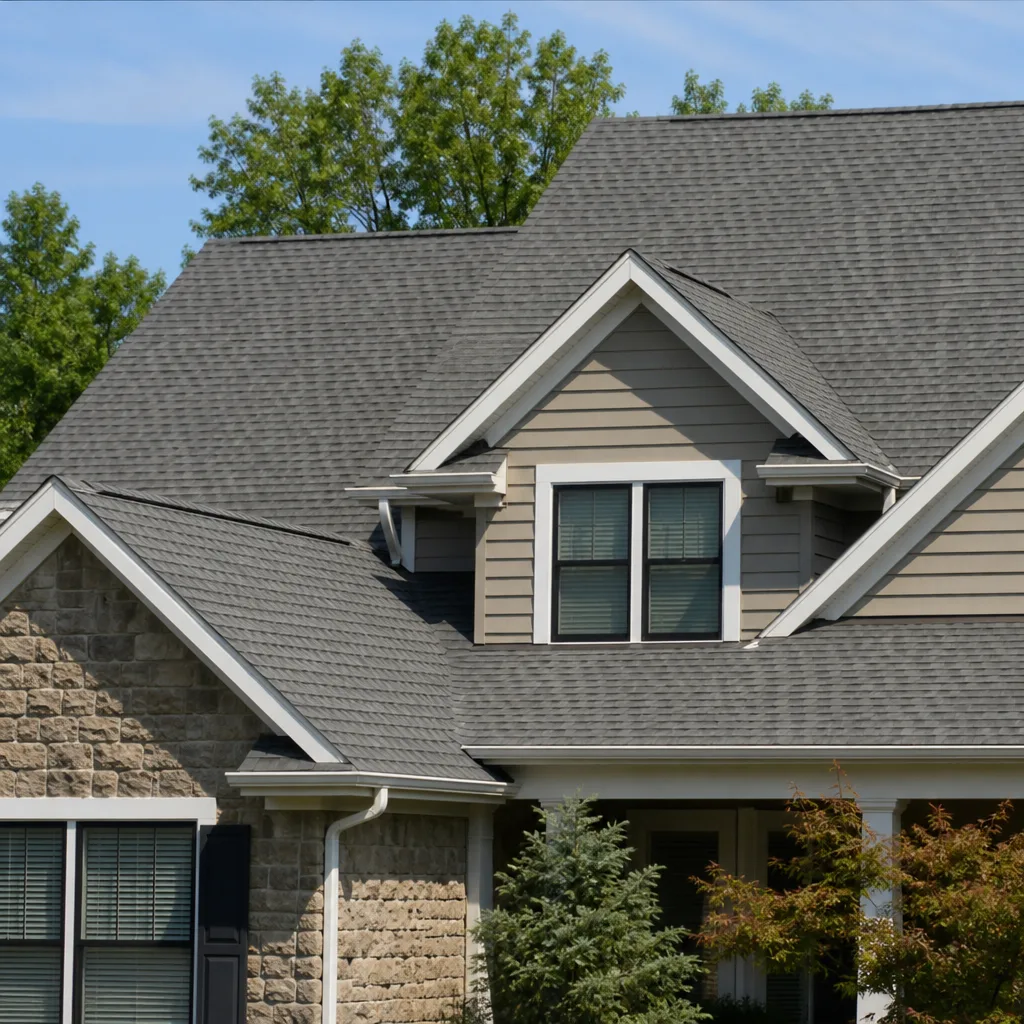 Architectural shingles
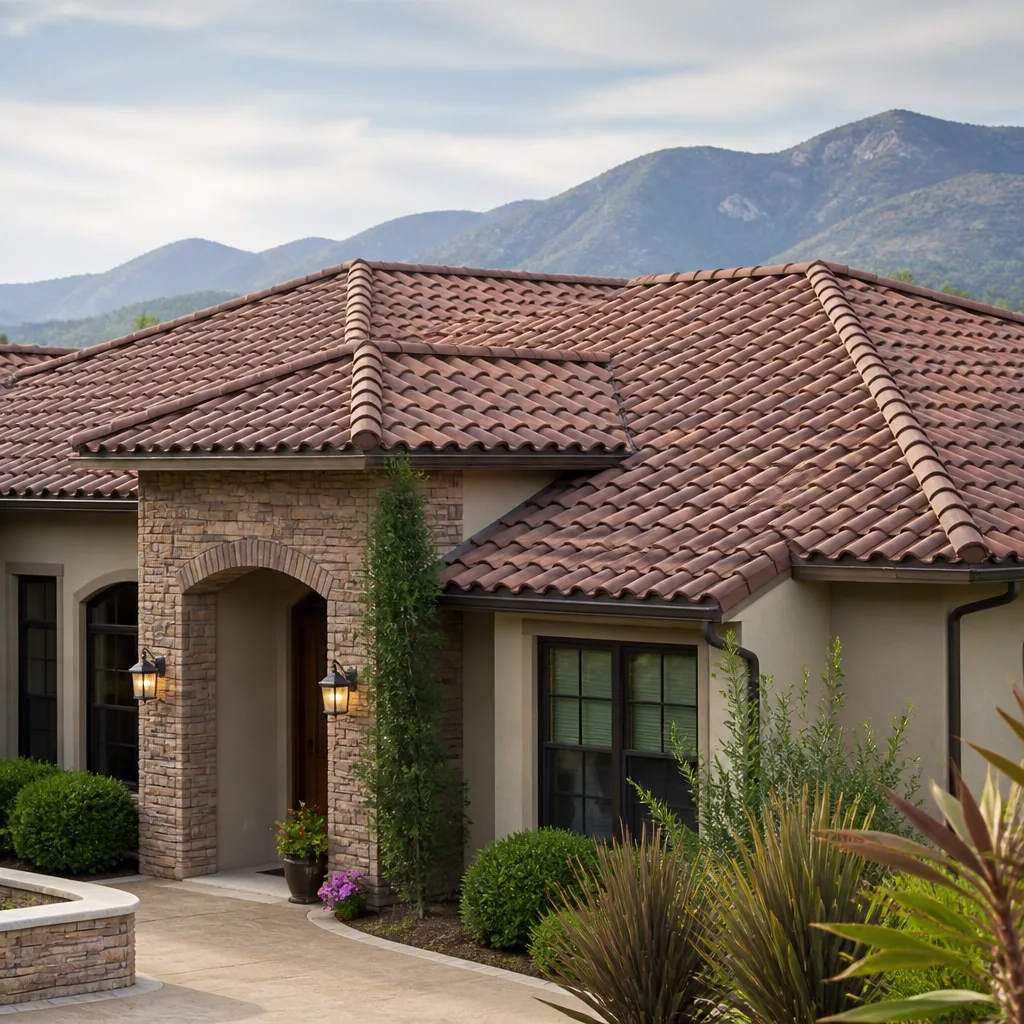 Tile roofing
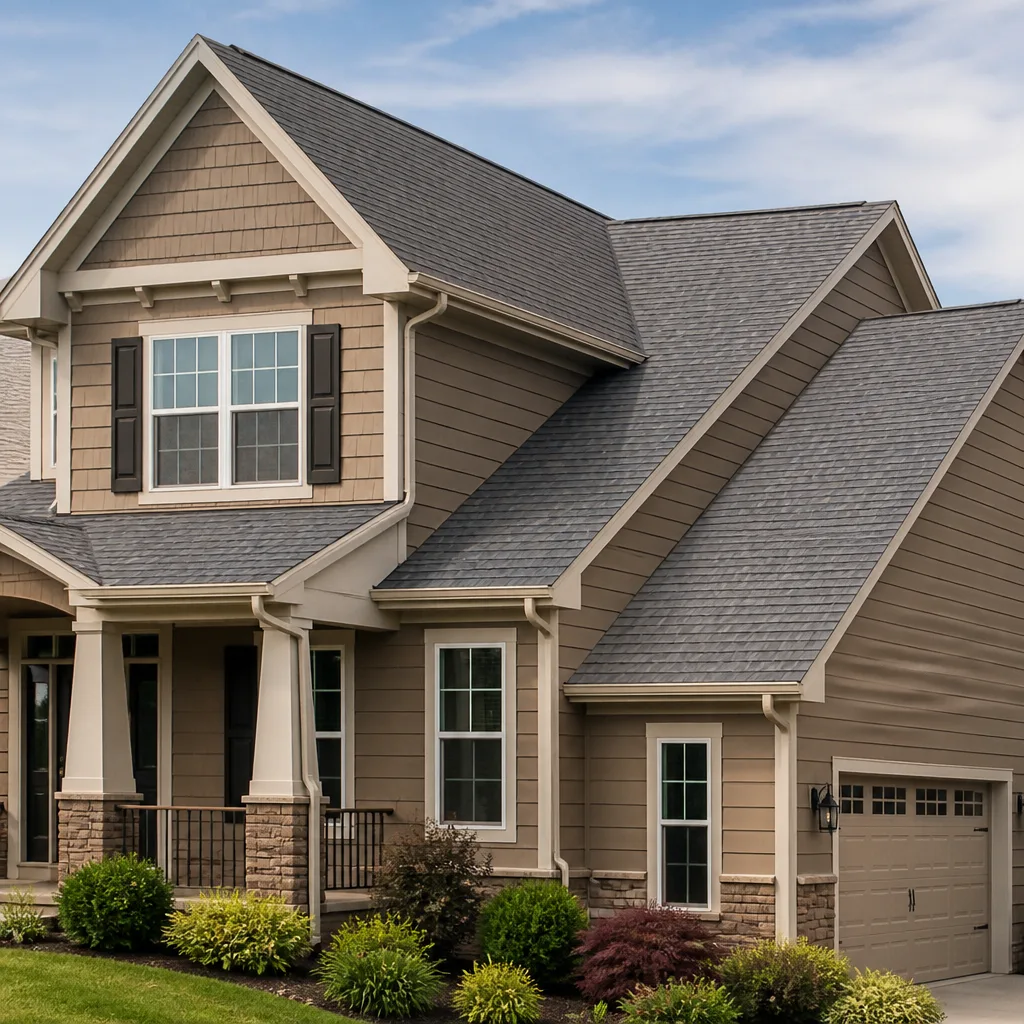 GAF
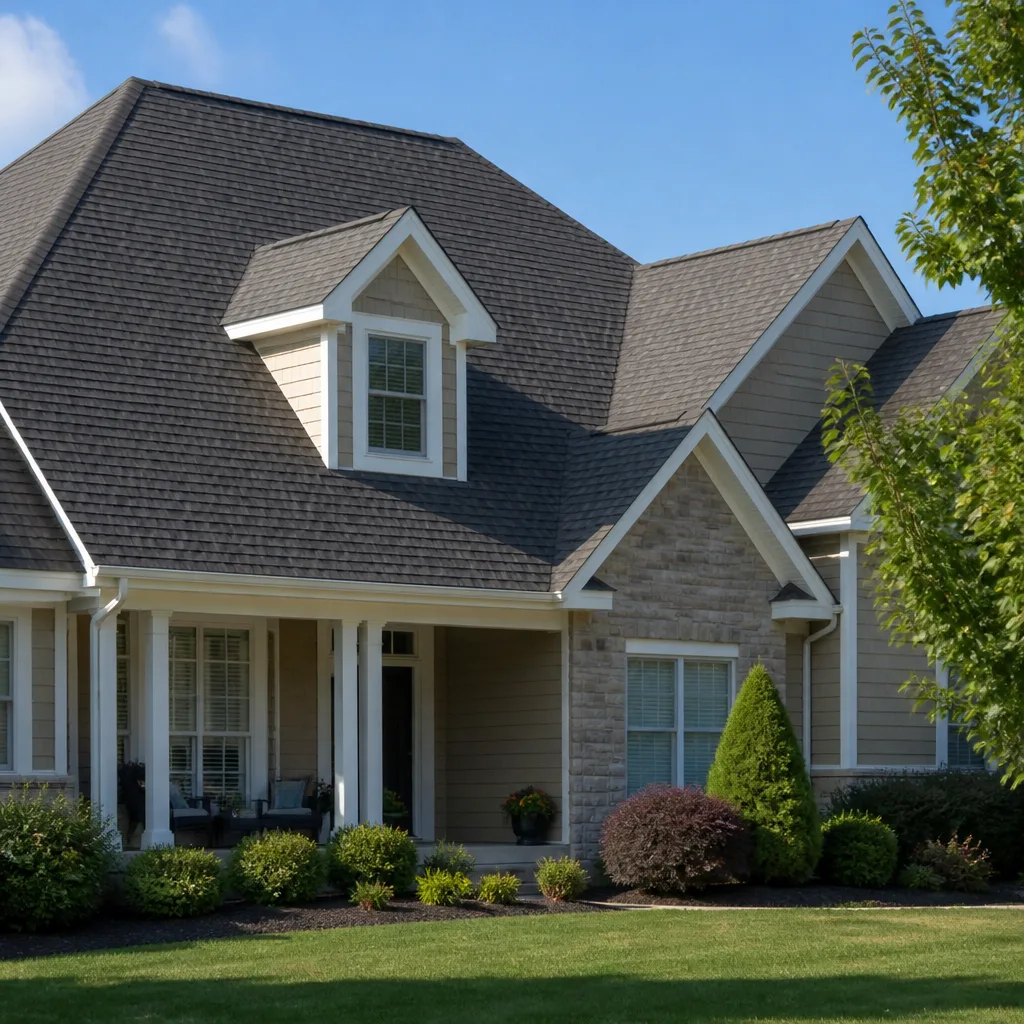 Owens Corning
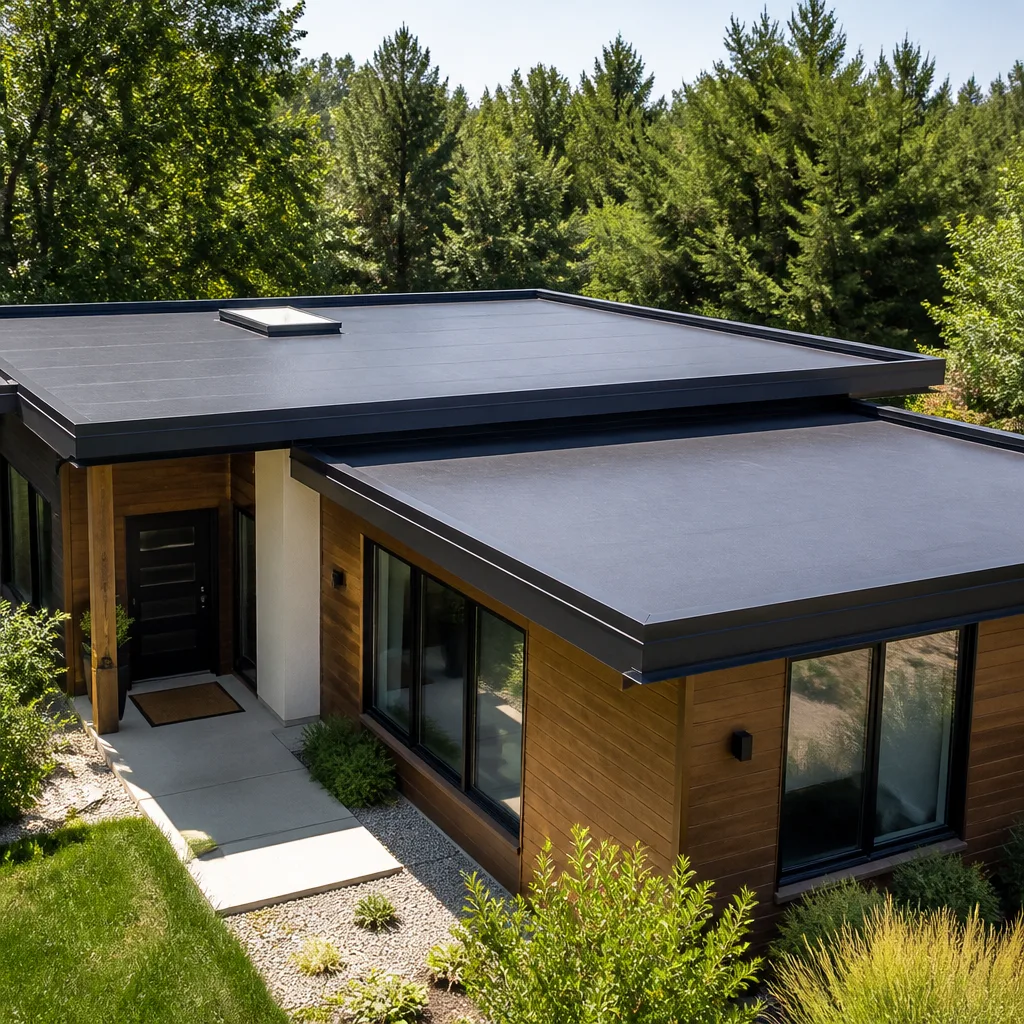 Flat & low-slope
Free roof inspection with deck photos before we talk money - GAF and Owens Corning certified installation
Roofing Permits, Codes & Inspections in CA: What You Need to Know
Most California homeowners never think about their roof until it leaks, and by then the instinct is to get it fixed fast and cheap. That instinct is expensive. In Inglewood alone, we regularly hear from homeowners who skipped a permit to save a few hundred dollars, only to have the entire unpermitted reroof surface during escrow, when the buyer’s lender refuses to fund until the roof is brought into compliance at whatever price the market demands. This guide explains how California’s layered permitting system actually works, what Inglewood specifically requires, and where homeowners routinely get tripped up, with links to more guides & resources throughout.
Styles & brands we work with
Quick Answer
Most roofing projects in California require a permit, and in Inglewood you work through the City of Inglewood building department, not Los Angeles County. A standard reroof permit costs roughly $200 to $500 depending on project valuation, and a full tear-off plus replacement typically triggers two inspections: a mid-process sheathing or prep inspection and a final inspection. Seasonal Roofing Care for Inglewood: Year-Round Homeowner’s Guide covers maintenance that can help you avoid crossing the 50% threshold, but cool roof requirements under Title 24 apply when you replace more than 50% of the roof or do a full reroof, not for small repairs, and working without a permit creates liability you may not discover until you sell.
Table of Contents
- Who Requires a Roofing Permit in California
- Inglewood Jurisdiction vs. Los Angeles County: Which Applies to You
- California Title 24 Cool Roof Rules: When They Trigger on Repairs vs. Replacements
- California Building Code Section 1511: What’s Legal for Reroofs Now
- How to Pull Your Own Permit History Before Buying or Contracting
- The Inspection Sequence for a Permitted Reroof in Inglewood
- What Roofing Permits and Inspections Actually Cost in Inglewood
- Common Mistakes to Avoid
- When to Call a Professional
- Frequently Asked Questions
- The Bottom Line
Who Requires a Roofing Permit in California
California building code requires permits for any roofing work that alters the structural or covering system of a building. That covers full tear-offs, reroofs over existing shingles, and most repair jobs that involve replacing sheathing or altering the roof structure. It does not cover cosmetic work like cleaning, minor patching of a few shingles, or replacing a single piece of flashing (though some cities differ, so it pays to check).
The practical line most California municipalities draw is this: if you’re changing the roof’s structure or its covering system, you need a permit. If you’re fixing a localized problem without changing the roof assembly, you may not. The problem is that “may not” varies by city. In Inglewood, the City takes a conservative approach; what Los Angeles County might treat as repair, Inglewood code enforcement sometimes treats as reroof work requiring a permit. This is one reason we tell homeowners to call the building department directly before assuming a repair is permit-free.
Permits exist for a reason. A permitted roof means the work gets inspected. An inspector verifies that fastening schedules match code, that the underlayment and flashing details are correct, and that the finished roof meets whatever fire and energy standards apply to your zone. When you skip the permit, you save time and money up front, but you’re also accepting that the work will never be independently verified. For the largest investment you make on a home after the purchase price itself, that’s a poor trade.
For homeowners at the start of the process, our Roof Inspection in Inglewood page explains what a professional inspection covers and how it differs from a city permit inspection.
Inglewood Jurisdiction vs. Los Angeles County: Which Applies to You
This is the single most misunderstood topic in Inglewood roofing. People assume that because Inglewood is in Los Angeles County, they apply for permits through the County. They do not. Inglewood is an incorporated city with its own building department, its own permit fees, and its own inspection scheduling system.
Here’s the distinction that matters:
- City of Inglewood addresses pull roofing permits through the Inglewood Building Division, located at City Hall on Regent Street. The City uses its own application forms, its own fee schedule, and its own inspectors.
- Unincorporated Los Angeles County areas near Inglewood (like parts of Lennox, Athens, and View Park-Windsor Hills) pull permits through LA County Building and Safety. Different forms, different fees, different inspectors, and in some cases different code interpretations.
- Neighboring cities like Hawthorne, Gardena, and El Segundo each have their own building departments and their own requirements.
Why does this matter? Because the inspection process differs. Inglewood inspectors often focus on different failure points than County inspectors. We’ve seen Inglewood final inspections fail on details that neighboring jurisdictions pass without comment: missing drip edge at the eaves, improper roof-to-wall flashing at parapets, and insufficient fastening on the perimeter of the roof where uplift forces are highest. Inglewood is also in a wind zone that requires specific fastening patterns along roof edges, a detail that’s easy to overlook if your contractor has only worked in areas with different requirements.
If you’re not sure which jurisdiction applies to your address, the simplest test is your mailing address. If your property tax bill comes from Los Angeles County and your address says “Inglewood, CA,” you’re in the City’s jurisdiction. If it says “Lennox” or “Athens,” you may be in unincorporated territory. The building department can confirm in under five minutes with your parcel number.
This jurisdictional difference is also a factor when you’re comparing quotes. A contractor who does most of their work in City of Los Angeles proper may not know Inglewood’s specific requirements. For homeowners evaluating a full replacement, our Roof Replacement in Inglewood page covers what to expect from the process, including permitting.
California Title 24 Cool Roof Rules: When They Trigger on Repairs vs. Replacements
Title 24 is California’s energy code, and its cool roof requirements are where we see the most confusion among both homeowners and contractors. The threshold question is simple: how much of the roof are you changing?
For a repair that affects less than 50% of the roof’s surface area, Title 24 cool roof requirements typically do not apply. If you’re replacing a damaged section of shingles on the back slope of a house in Inglewood, you don’t need to worry about solar reflectance index ratings or aged reflectance values. You match the existing roof and move on.
For a full replacement, or any repair that exceeds 50% of the roof area, the rules change. The new roofing material must meet California’s cool roof standards for your climate zone. Inglewood falls in Climate Zone 6, which requires a minimum aged solar reflectance of 0.20 and a minimum thermal emittance of 0.75 for most low-slope roofs, or a minimum aged SRI of 16 for steep-slope roofs, depending on the assembly.
What this means in practical terms:
- If you’re doing a full reroof in Inglewood, the shingle color and product line you choose must meet the cool roof standard for your zone. Darker shingles that meet the standard exist; they’re not all light-colored. But not every shingle in every color qualifies.
- If you’re doing a partial repair under 50%, you can match your existing roof even if the existing roof wouldn’t meet today’s cool roof standards.
- Some contractors misapply the threshold and tell homeowners with a 40% damaged roof that they “might as well” replace the whole thing to take advantage of the energy savings. That’s a sales pitch, not a code requirement.
Manufacturers like Owens Corning and IKO produce cool roof shingle lines that meet Title 24 requirements for Climate Zone 6, so a compliant roof doesn’t mean sacrificing appearance. See Choosing the Right Roofing Brand: A Buyer’s Guide for Inglewood for help comparing options. Atlas also offers product lines designed to hit the reflectance numbers. The key is verifying that the specific shingle you select carries the right rating for your zone before the permit application goes in; changing products after the permit is issued can require a plan revision.
We look for the repair before we recommend the replacement, and the 50% threshold is a genuine bright line under California law. If your roof is at 30% damage, the correct move under code is a repair, not an upsell to full replacement.
California Building Code Section 1511: What’s Legal for Reroofs Now
Section 1511 of the California Building Code governs reroofing, and it has changed meaningfully over the past decade. The old shortcuts that were standard practice for years are no longer permit-compliant in most California jurisdictions, including Inglewood.
Here’s what Section 1511 says, translated into plain English:
- You can’t install more than two layers of roof covering. If you have two existing layers of shingles and want a new roof, both old layers must come off before the new roof goes on. A third layer is not allowed, period, in any jurisdiction that adopts the California Building Code.
- An overlay is only legal if the existing roof has a single layer. In other words, one existing layer of shingles can be covered with a second layer, as long as the existing layer is in sound condition and the sheathing underneath is not compromised. The moment there are two layers, full tear-off is mandatory.
- ‘Cap sheet’ shortcuts on low-slope roofs no longer meet code. Low-slope roofing in California has moved toward more demanding systems. Patching a failing built-up roof with a cap sheet may hold water for a season, but it does not meet current code and will not pass inspection in Inglewood if the work is permitted.
- Underlayment requirements are prescriptive. Section 1511 specifies the minimum underlayment type and fastening based on roof slope and material system. For steep-slope asphalt shingle roofs in Inglewood, that typically means a minimum of one layer of ASTM D226 Type II or approved synthetic underlayment, with specific fastening patterns in wind-prone areas.
- Flashing details must match the current code, not the existing roof. If your old roof has step flashing that doesn’t extend far enough up the wall or valley flashing that’s too narrow, the new roof must be built to current standards even if the old roof was “grandfathered.”
The practical implication for Inglewood homeowners is that the cheap reroof quote that assumes an overlay may not be buildable. If you have two layers, or if the existing single layer is water-damaged, or if the sheathing has failed, the law requires a tear-off. A contractor who quotes an overlay without checking can hit you with a change order after the old roof comes off and the problem reveals itself. Written line-item quotes, with the tear-off and sheathing replacement priced up front, prevent that surprise.
Section 1511 is also the reason we tell homeowners to match materials carefully. When repair materials are matched to the existing roof system in profile and manufacturer coverage, you avoid creating a situation where the repaired section performs differently than the rest of the roof. That mismatch is exactly the kind of thing a sharp home inspector or a city final inspection can flag. Our Roof Repair in Inglewood page goes deeper on how we approach matching and repair decisions.
How to Pull Your Own Permit History Before Buying or Contracting
Before you buy a home in Inglewood, or before you sign a contract to reroof the one you own, pull the permit history. It takes less than an hour and it can save you tens of thousands of dollars.
Here’s the step-by-step process for Inglewood properties:
- Gather the parcel number. Your APN (Assessor’s Parcel Number) is on your property tax bill. If you’re buying, the seller’s disclosure package or the listing should have it.
- Visit or call the Inglewood Building Division. The City maintains permit records by address and parcel number. You can request a permit history search in person at City Hall or by phone. Some records are available online through the City’s permit portal, but the full history often requires a counter visit or a records request.
- Request the full permit history for the address. Ask specifically for roofing permits, reroof permits, and any repair permits tied to the roof. Also ask for any open violations or code enforcement actions.
- Compare the permit history against the roof’s visible age. If the roof appears to be 10 years old and there’s no permit for it in the City’s records, that’s an unpermitted reroof. You need to know that before you buy, not after.
- If you find unpermitted work, price the remedy. An unpermitted reroof doesn’t mean the roof is bad, but it does mean the work was never inspected and the City has no record of it. When a lender requires retroactive permitting, the process can involve opening up the roof to verify what’s underneath.
What does unpermitted prior work actually mean for liability? If you buy a home with an unpermitted roof, you inherit the problem. The City can require you to permit and inspect the work retroactively. Your homeowners insurance may deny a claim for roof damage if the roof was installed without permits and the insurer can show the unpermitted work contributed to the loss. And when you sell, the unpermitted roof is a disclosure item that either reduces your sale price or kills the deal entirely.
Unpermitted work is not automatically dangerous. Some unpermitted roofs are installed perfectly well. But there is no independent verification, and that absence of verification becomes a bargaining chip for any buyer who discovers it. In the Inglewood market, where homes frequently change hands, unpermitted roof work is one of the most common reasons deals renegotiate at the last minute. Learn to spot problems early with Roofing Warning Signs: A Inglewood Homeowner’s Reference Guide.
If you’re in the process of purchasing and the inspection report flags roof concerns, a full Roof Inspection in Inglewood can tell you whether the roof is serviceable as-is or whether the prior work needs to be opened up and remediated.
The Inspection Sequence for a Permitted Reroof in Inglewood
If you’re doing a permitted reroof in Inglewood, here’s the process from permit pull to final sign-off. Understanding this sequence helps homeowners spot when a contractor is cutting corners or when the project is drifting off schedule.
- Permit application. Your contractor (or you, if you’re acting as owner-builder) files the permit application with the Inglewood Building Division. The application includes the product specifications, the scope of work, and the project valuation that determines the permit fee. Expect the review to take anywhere from same-day for simple reroofs to a couple of weeks for more complex projects.
- Permit issuance. Once the permit is issued, a copy must be posted on the job site. Inglewood requires the permit card to be visible from the street during construction. This is also the moment the clock starts on the permit’s expiration date.
- Sheathing or prep inspection. This is the mid-process inspection. After the old roof is torn off and the sheathing is exposed, the inspector looks at the deck. What gets checked: sheathing thickness and condition, any required replacement of damaged panels, nailing patterns, and the condition of the roof framing.
- Underlayment inspection (sometimes combined). Depending on the scope, the inspector may verify the underlayment before the finished roof goes on. This catches problems like missing ice and water shield at eaves and valleys, improper fastening, and flashing details that will be hidden once the shingles are down.
- Final inspection. After the roof is complete, the inspector does a final walk-through. What fails most often at final in Inglewood specifically: missing drip edge at the eaves, loose or improperly lapped flashing at the chimney, insufficient fastening at the roof perimeter, and the wrong shingle product relative to what was listed on the permit. Also, unpermitted electrical or plumbing work that gets discovered during the roof inspection can trigger a broader correction notice.
- Permit final sign-off. When the final inspection passes, the permit is signed off and the record is closed. This is the document you keep. It’s the proof of compliance that protects you when you sell.
If a final inspection fails, the contractor corrects the listed items and calls for reinspection. In Inglewood, reinspection fees typically apply, so a contractor who gets it right the first time saves you money. The most common final inspection failures are not structural; they’re detail items that were skipped in the rush to finish. Drip edge is the classic. It’s cheap insurance against water damage, it’s required by code, and it’s the first thing a sharp inspector looks at when they walk the eaves.
What Roofing Permits and Inspections Actually Cost in Inglewood
The cost question is the one every homeowner asks first, and it’s worth answering directly. Roofing permit fees in Inglewood are based on project valuation, not a flat fee. For a typical single-family home reroof, expect the permit fee to land somewhere in the $200 to $500 range. For larger homes or complex projects with higher valuations, the fee scales up.
Here’s a realistic breakdown of what a permitted reroof costs in Inglewood, separate from the roofing work itself:
- Permit fee: $200 to $500 for a typical single-family reroof, depending on valuation.
- Plan review (if applicable): $50 to $150 for projects that require more than a basic application review.
- Inspection fees: Usually included in the permit fee, but reinspection after a failed inspection typically costs $75 to $150 per visit in Inglewood.
- Retroactive permit (if prior work was unpermitted): Expect to pay a penalty multiplier, often 1.5 to 2 times the standard fee, plus the cost of opening up the roof if verification is required.
Compare that against the cost of an unpermitted roof discovered at sale. The retroactive permit process, the potential lender remediation requirement, and the negotiation leverage a buyer gains can easily reach $5,000 to $15,000 on a Inglewood home. The $300 permit is not the expensive part. The skipped permit is.
Some contractors avoid pulling permits because it slows their schedule and adds cost. Others avoid it because they know their work won’t pass. When you’re comparing quotes, ask the contractor directly: “Will you pull the permit in your name or in mine?” A licensed contractor who pulls the permit in their name assumes responsibility for the work passing inspection. If they want the permit in your name, ask why. There are legitimate reasons (owner-builder situations), but it’s a question worth pressing.
Straight answers about what your roof actually needs, and what it doesn’t, are the foundation of a good contracting relationship. The permit conversation is the first test of that.
Common Mistakes to Avoid
- Skipping the permit to save $300. In Inglewood, unpermitted reroofs surface at resale, during insurance claims, and in code enforcement sweeps. The savings evaporate when the remediation bill arrives.
- Assuming the County handles Inglewood permits. Inglewood is its own jurisdiction with its own building department. Filing with the wrong agency delays the project and creates confusion that can stall the inspection schedule.
- Paying upfront in full before the final inspection passes. A contractor who has been fully paid has no financial incentive to return and fix the items that failed final inspection. Hold your final payment until the permit is signed off.
- Treating the 50% Title 24 threshold as a suggestion. It’s a code requirement. Repairs under 50% and replacements over 50% have different rules. Misapplying the threshold can leave you with a non-compliant roof that fails inspection or triggers insurance problems later.
- Signing a quote that assumes an overlay without verifying the existing roof is a single layer. If there are two layers, the law says tear-off. If the quote is built on an overlay, you’ll get a change order when the second layer appears.
- Ignoring the permit history before buying a home. This is a $15,000 blind spot. Pull the history first.
- Choosing a contractor based on speed of permit issuance. A contractor who claims permits are “no big deal” or “not really necessary” in Inglewood is either uninformed or avoiding inspection. Both are disqualifying.
When to Call a Professional
If any of the following applies to your roof situation, you need a licensed professional involved: you’re buying a home and the previous roof work can’t be verified through permit history; your roof has two layers and a replacement is on the horizon; a contractor told you a full tear-off isn’t necessary on a roof that’s clearly failing; or you’re trying to sell and the buyer’s inspection flagged the roof. These situations involve code compliance, liability, and real money. The right move is a professional inspection that tells you exactly where you stand. Chatham Roof Repair offers free estimates in Inglewood, covering inspection, repair, and full replacement under one roof. Call (866) 361-1724 to schedule yours. For more about how we approach the diagnostic process, read the Chatham Roof Repair home page.
Frequently Asked Questions
It depends on the scope. Small repairs that don’t change the roof assembly (replacing a few shingles, patching a small leak, resealing a vent) generally don’t require a permit in Inglewood. Larger repairs that involve structural changes, sheathing replacement, or that trigger the 50% threshold for cool roof compliance do. When in doubt, call the Inglewood Building Division with your address and scope of work. For an honest assessment of whether your roof needs repair or full replacement, call (866) 361-1724 for a free estimate.
A roofing permit in Inglewood typically runs between $200 and $500 for a standard single-family reroof, based on the project’s declared valuation. Reinspections after failed inspections usually cost extra. The far bigger cost is the unpermitted work discovered later; that can run into the thousands.
You must disclose it. In California, you’re legally required to disclose unpermitted work to buyers. Once disclosed, the buyer can demand remediation, a price reduction, or a credit. Lenders frequently refuse to fund until the roof is brought into compliance. In the Inglewood market, this is one of the most common deal-breakers we hear about. If you’re facing this, call (866) 361-1724 for a free assessment of what the remediation will actually require.
A straightforward reroof permit in Inglewood can be issued in as little as a day for simple projects, but more complex work may take a couple of weeks through plan review. The inspection process adds time to the construction schedule; a typical permitted reroof runs 1 to 2 weeks from tear-off to final inspection, depending on weather and inspector availability.
Title 24 is California’s energy code, and its cool roof requirements mandate minimum solar reflectance and thermal emittance values for roofing materials in specific climate zones. For Inglewood, which sits in Climate Zone 6, a full reroof or any repair affecting more than 50% of the roof must use compliant materials. Smaller repairs are exempt.
Yes, you can act as an owner-builder and pull the permit yourself, but if you do, you assume legal responsibility for the work passing inspection. If you hire a contractor, the permit should be in their name so that responsibility sits with them. A contractor who resists pulling the permit in their name is a warning sign.
The Bottom Line
California roofing permits exist to verify that the work on your largest home investment was done correctly. In Inglewood specifically, the City’s own building department governs the process, the inspection sequence catches real problems, and the cost of compliance is a fraction of the cost of getting caught without it. Know your jurisdiction, understand the Title 24 threshold, pull the permit history before you buy, and hold your final payment until the permit is signed off. If your roof needs attention, get an honest assessment first. Inspection, repair, or full replacement, one company, start to finish. Call Chatham Roof Repair at (866) 361-1724 to schedule your free estimate.
Written by the team at Chatham Roof Repair, serving Inglewood since 2016.
See the difference
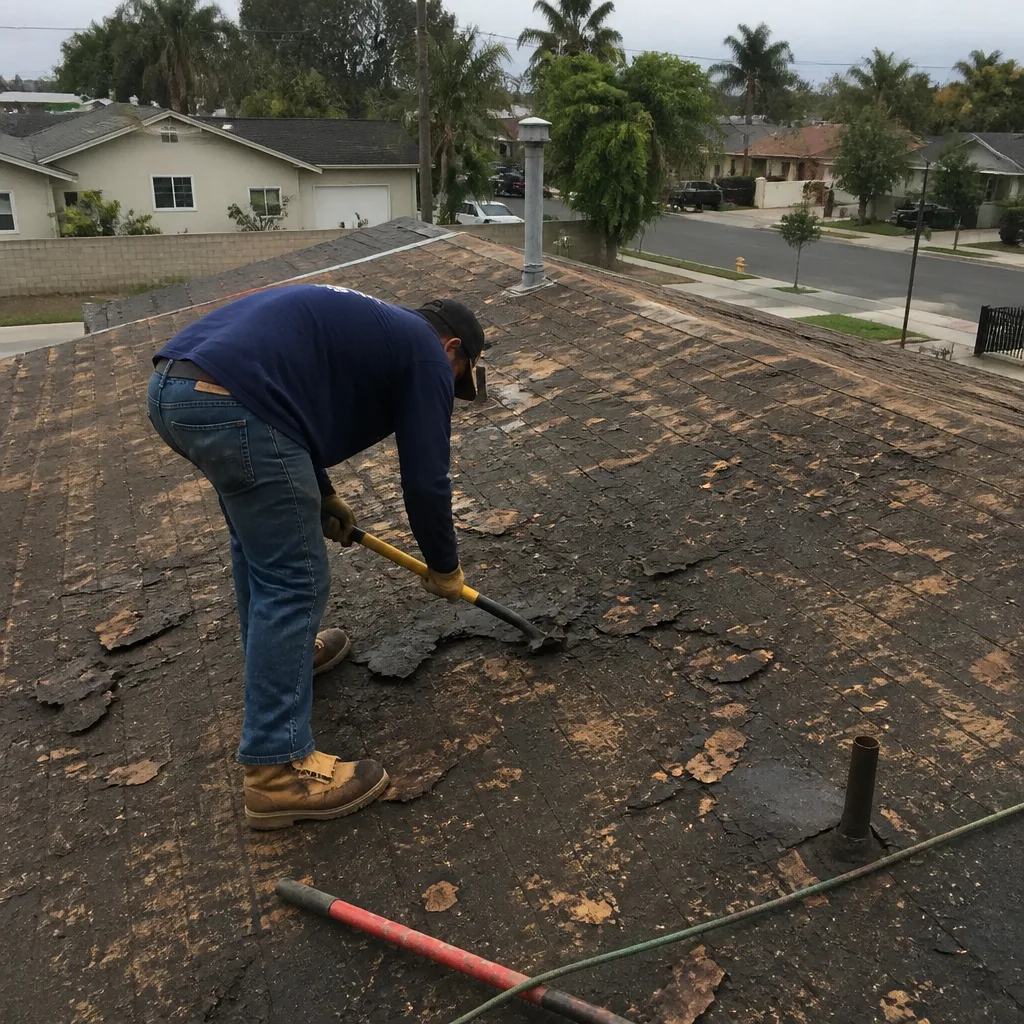 Before
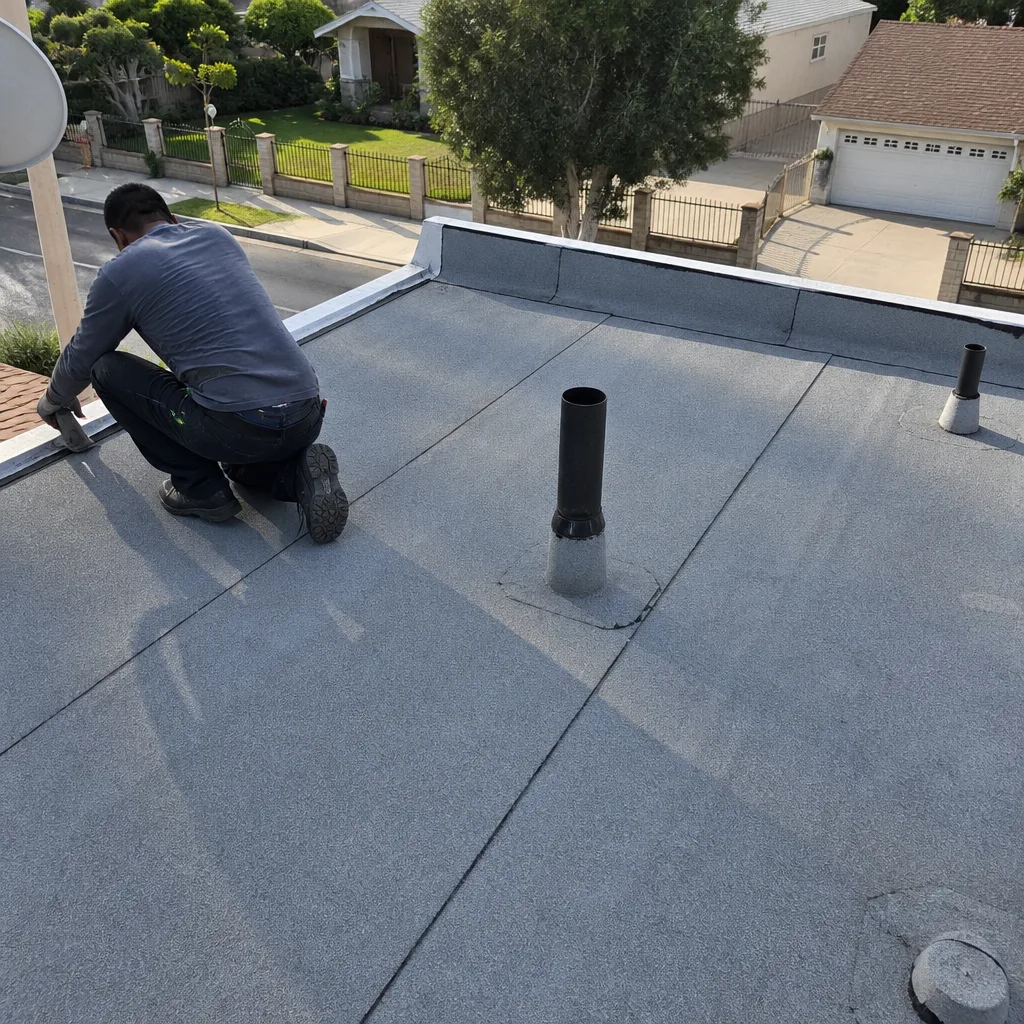 After
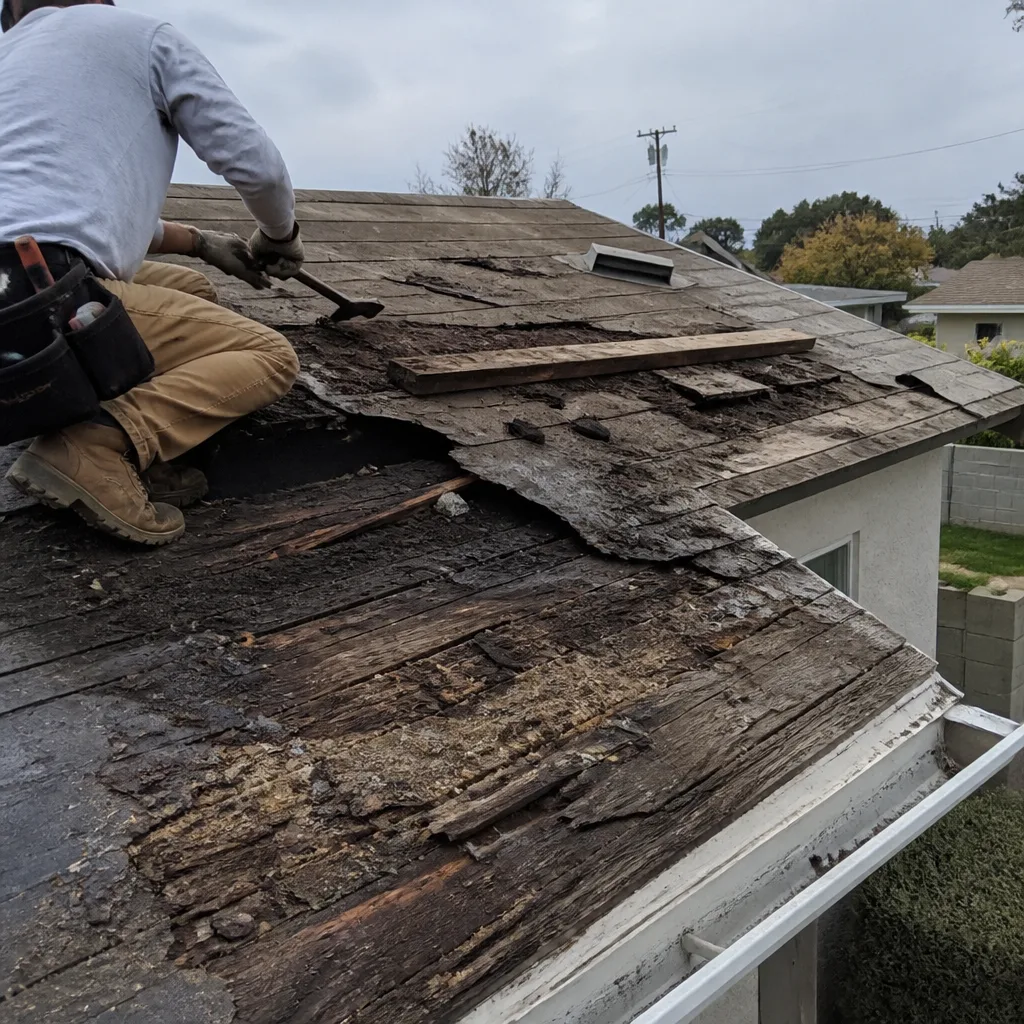 Before
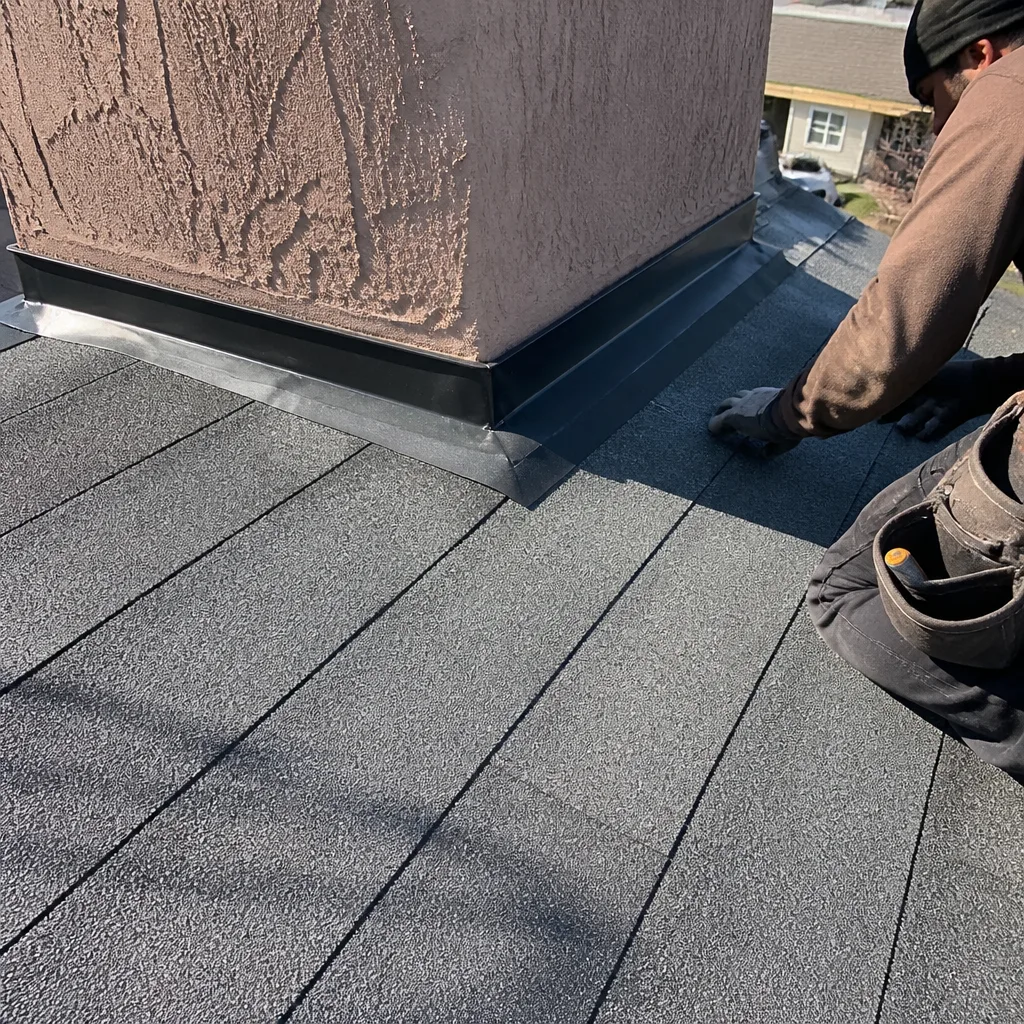 After
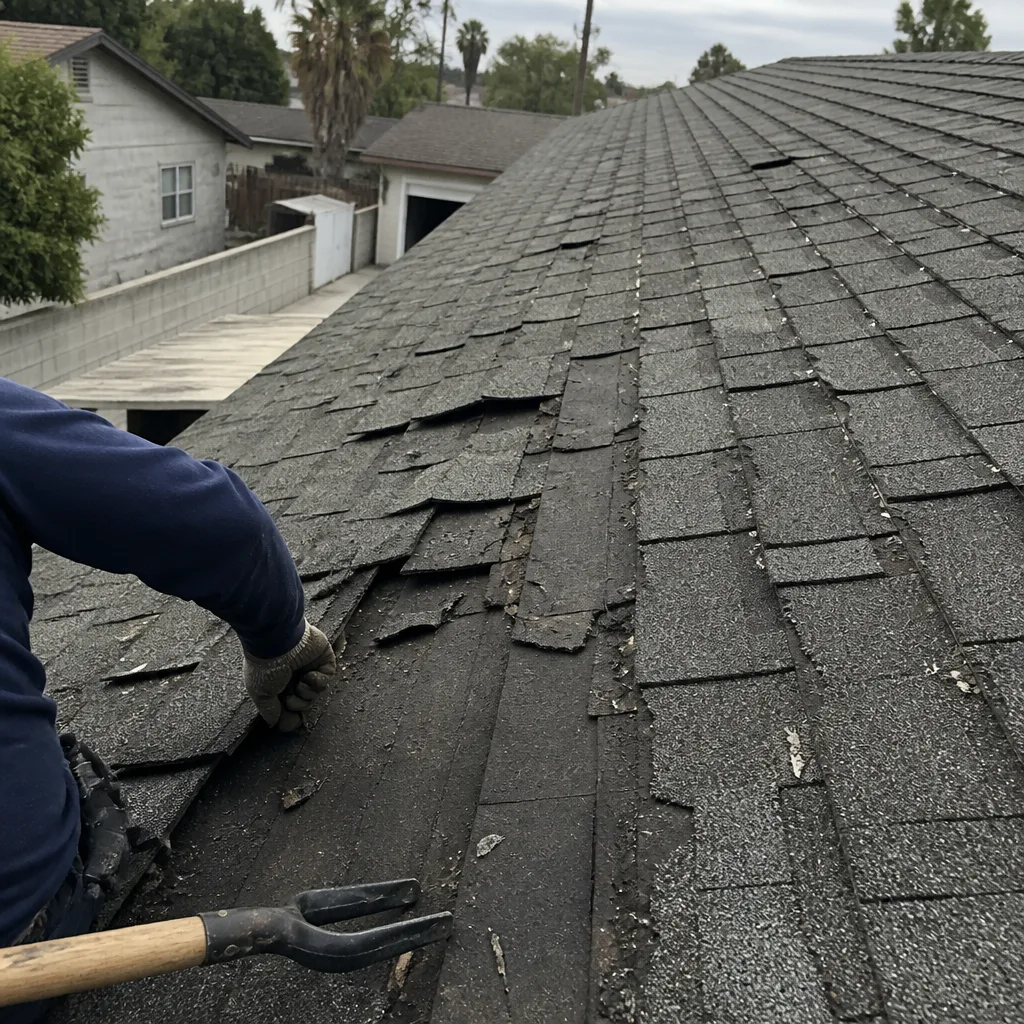 Before
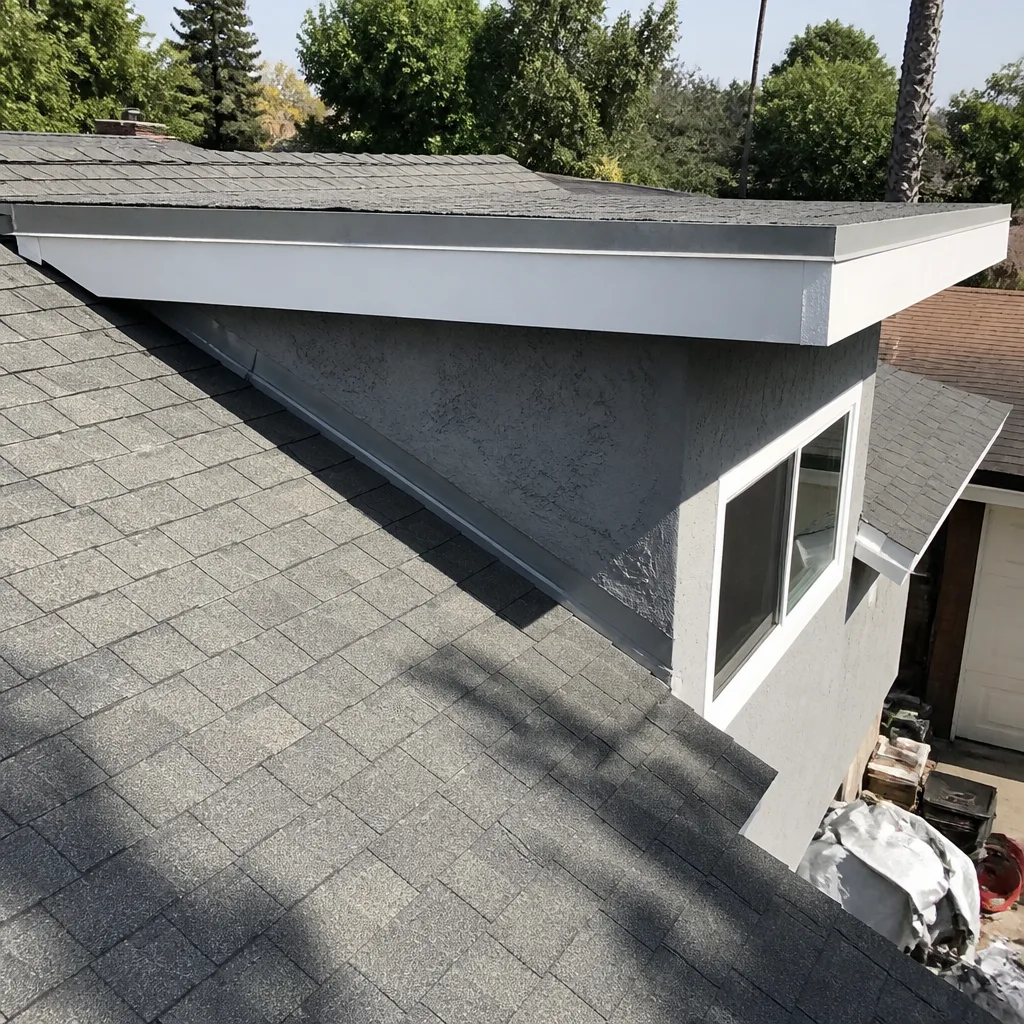 After