Last updated October 30, 2026
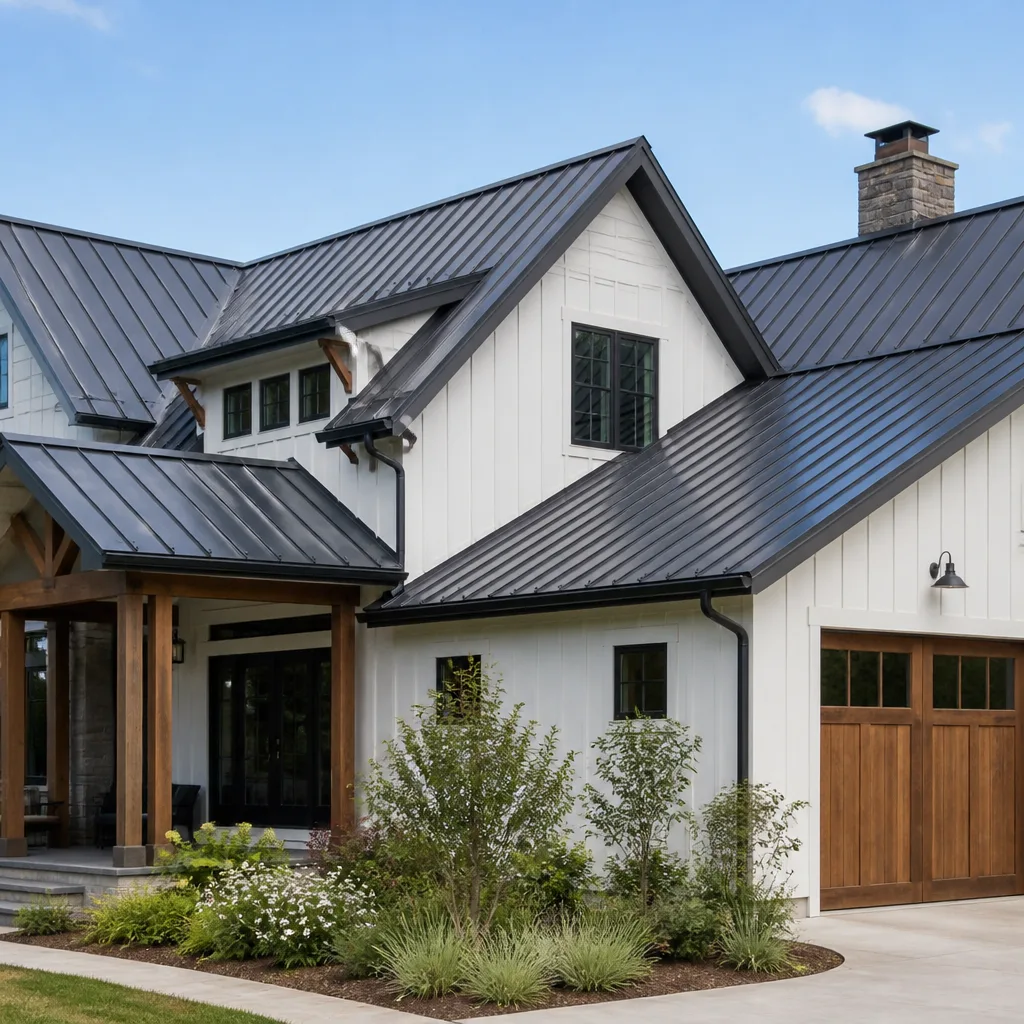 Metal roofing
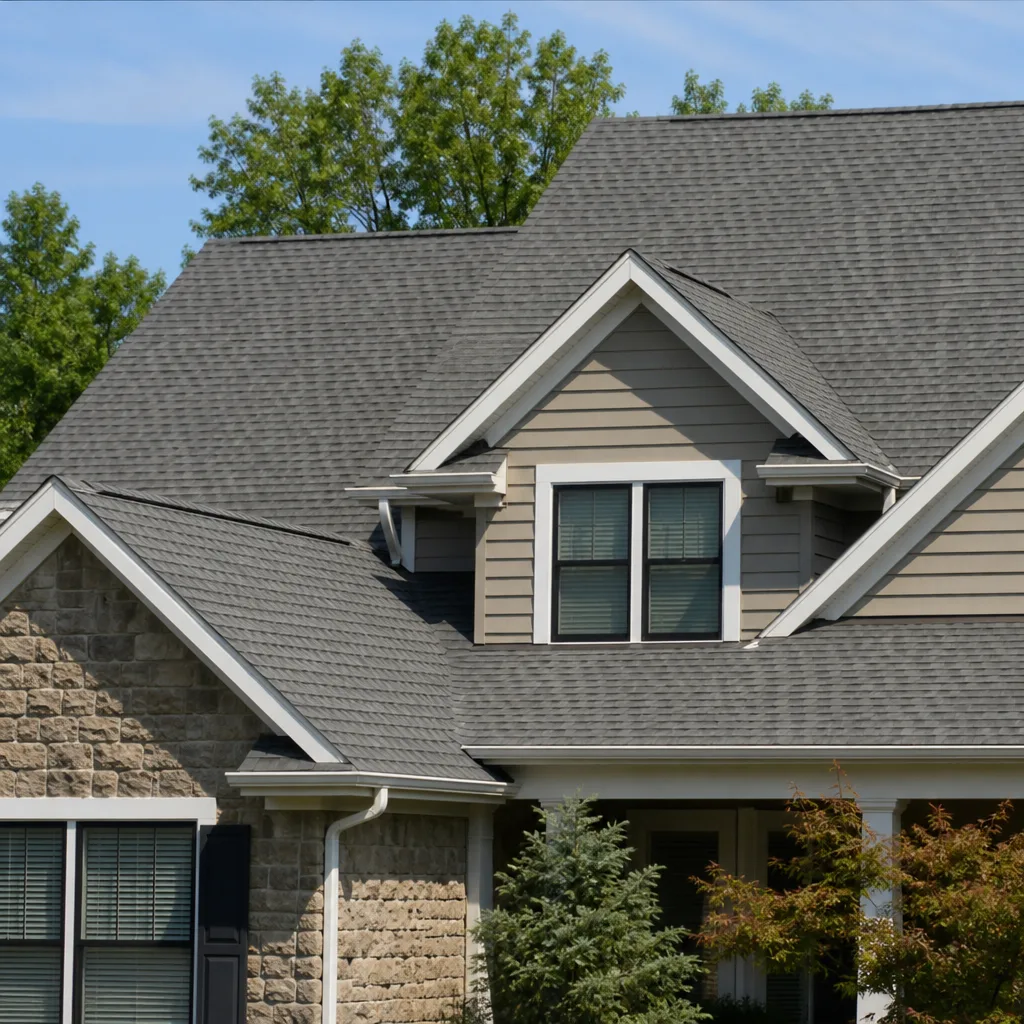 Architectural shingles
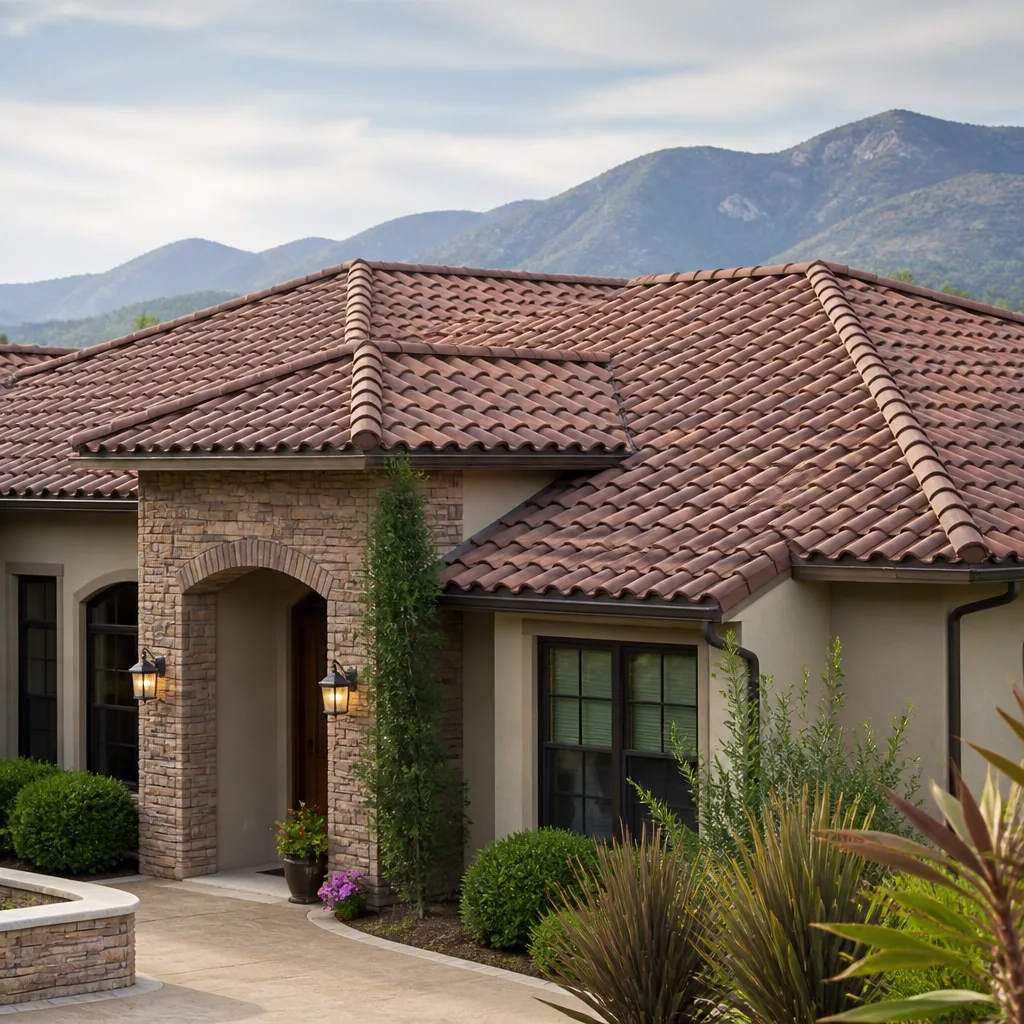 Tile roofing
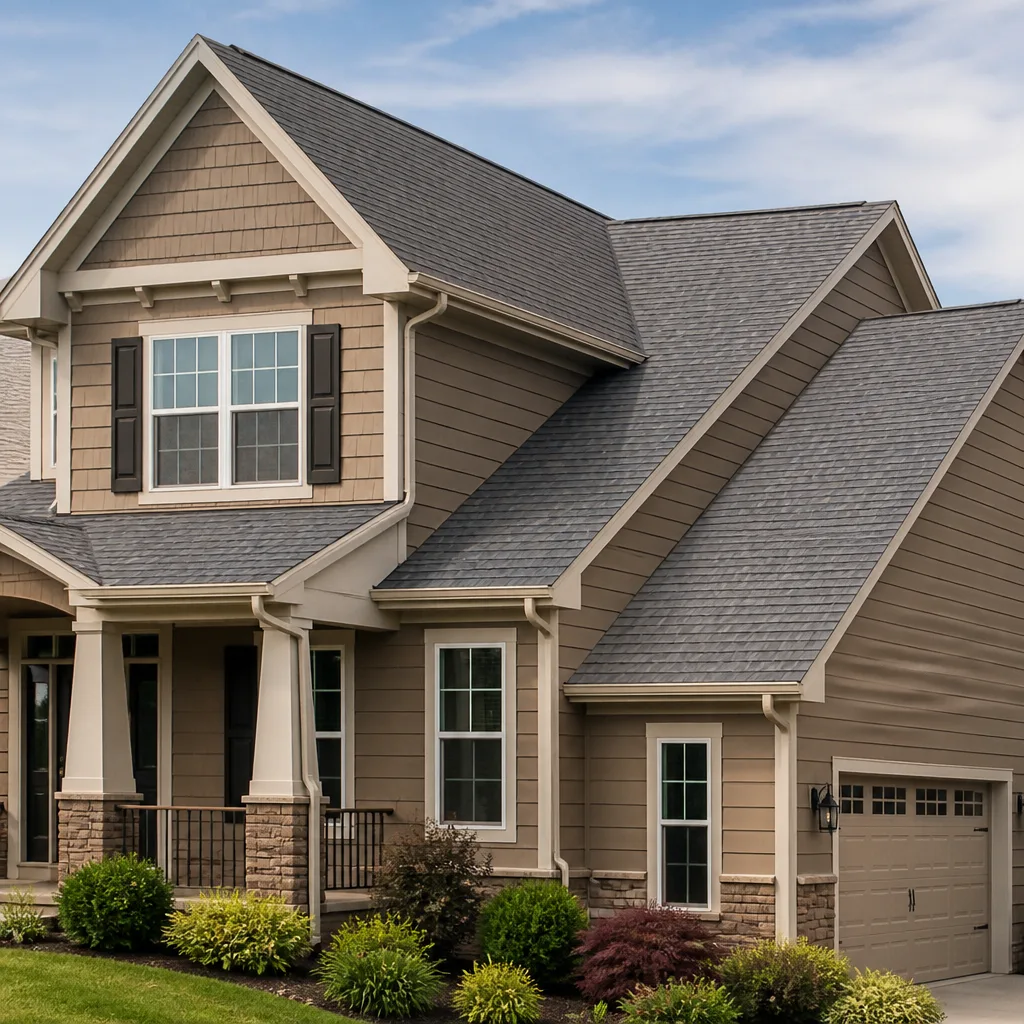 GAF
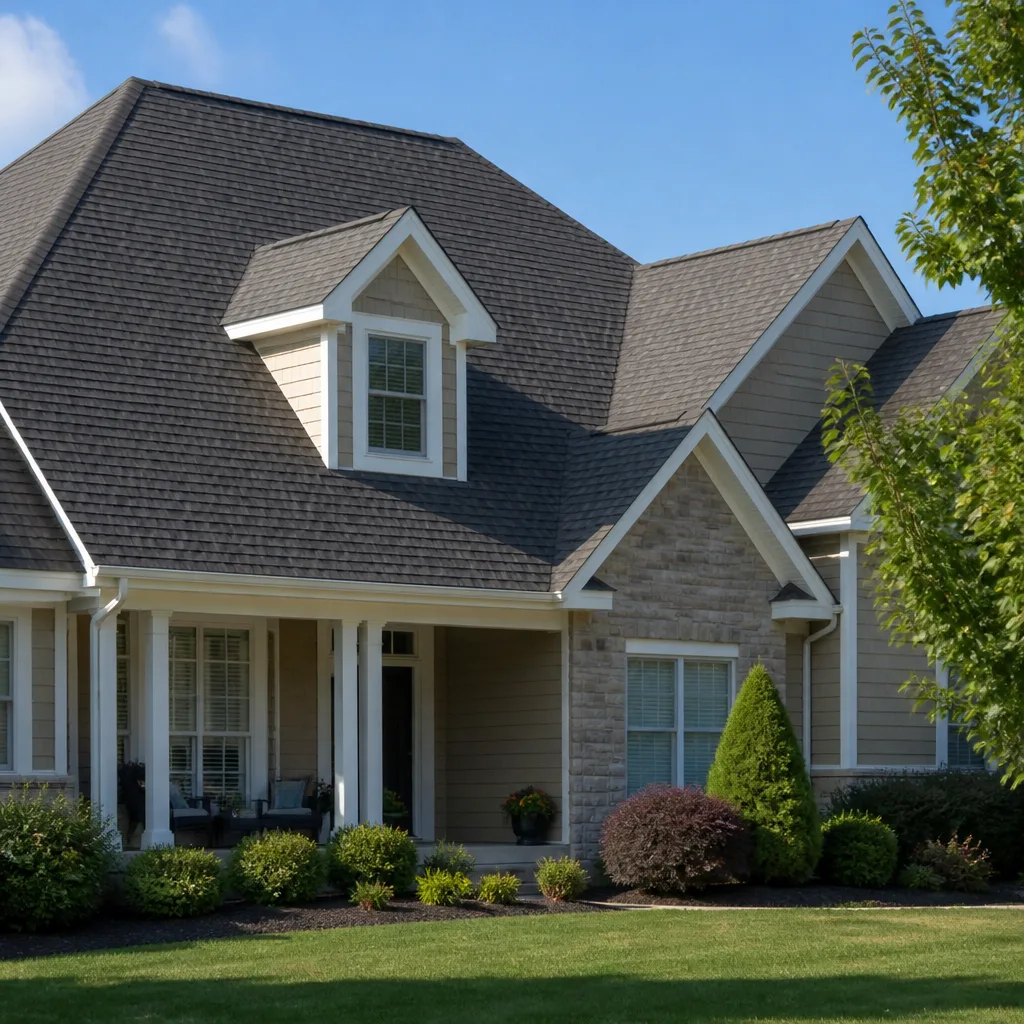 Owens Corning
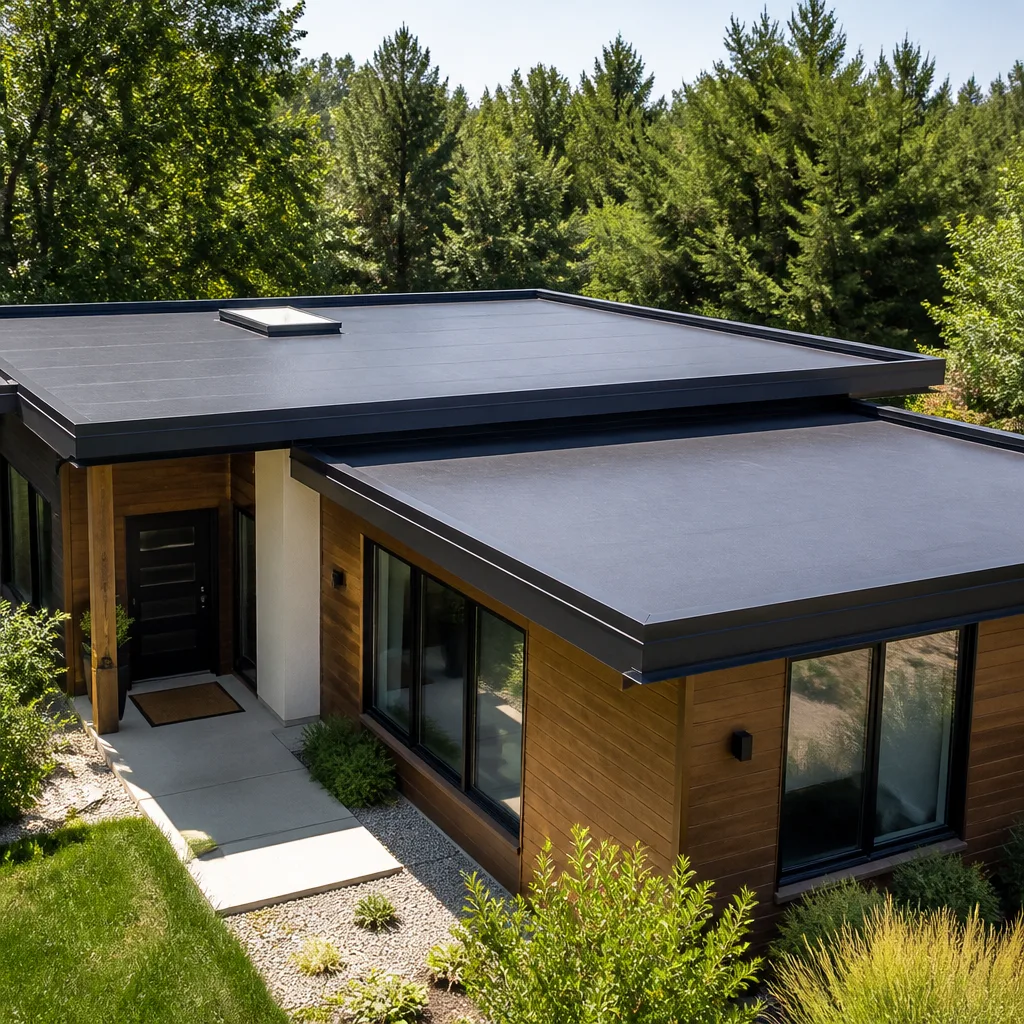 Flat & low-slope
Free roof inspection with deck photos before we talk money - GAF and Owens Corning certified installation
The Complete Guide to Roofing in Inglewood
Here is a fact most roofing guides won’t tell you: a large share of Inglewood’s housing stock was built before 1970, which means thousands of local roofs are sitting on decking, ventilation systems, and underlayment originally specified for a construction era that predates modern thermal cycling and today’s fire code requirements. That single fact changes how you should approach every roofing decision in this city. This guide maps material selection, repair thresholds, contractor evaluation, cost expectations, and maintenance timing to Inglewood’s actual conditions: the coastal marine layer, the Santa Ana wind corridor, the LAX flight path, and the specific housing types that dominate our neighborhoods. By the end, you will know more about your roof than most contractors will expect you to know. That is the point.
Styles & brands we work with
Quick Answer
A complete roofing guide for Inglewood homeowners must account for four local factors that generic California guides skip: chronic low-moisture exposure from the marine layer, Santa Ana wind gusts on low-slope bungalow rooflines, pre-1978 decking standards like 1x skip sheathing, and insurance underwriting near the LAX flight corridor. Material selection, repair-or-replace decisions, and contractor choice should all be evaluated against these specific conditions, not a statewide average. A professional roof inspection in Inglewood is the fastest way to establish a factual baseline before making any financial decision.
Table of Contents
- Why Inglewood Roofing Is Different From the Rest of Los Angeles
- The Marine Layer Effect: Moisture, Algae, and Granule Loss
- Santa Ana Winds and Low-Slope Rooflines: What Inglewood Bungalows Face
- Older Decking and Skip Sheathing: The Hidden Cost Variable
- Material Selection for CEC Zone 9: A Practical Matrix
- Repair or Replace: How to Make the Call Without a Sales Pitch
- LAX Proximity and Insurance: Documentation That Protects Your Claim
- How to Evaluate an Inglewood Roofing Contractor
- What Roofing Actually Costs in Inglewood in 2026
- An Inglewood-Specific Maintenance Timeline
- Common Mistakes to Avoid
- When to Call a Professional
- Frequently Asked Questions
- The Bottom Line
Why Inglewood Roofing Is Different From the Rest of Los Angeles
Inglewood sits in a narrow band of the Los Angeles basin where three environmental forces converge. The first is the marine layer, which rolls in from the Pacific and parks itself over the city for a significant portion of the year, especially from May through July and again in the fall. The second is the Santa Ana wind corridor, which funnels down through the passes and hits Inglewood’s east-west oriented streets with gusts that routinely exceed 40 mph. The third is the city’s housing age profile, dominated by single-family homes built between 1920 and 1975. None of these factors exists in isolation, and none is addressed by generic “Southern California roofing” advice.
We have inspected roofs in Morningside Park, Ladera Heights, and the neighborhoods around Centinela Avenue where the same shingle product performs very differently depending on tree cover, roof orientation, and proximity to the coast. The point is not that Inglewood is uniquely harsh. The point is that the standard statewide recommendations for material, ventilation, and replacement timing need to be recalibrated for this city. When you read a national guide that says asphalt shingles last 25 to 30 years, that number assumes conditions Inglewood does not have. A more realistic local range, depending on exposure and maintenance, is 18 to 24 years for mid-grade architectural shingles.
What follows is the guide we wish every Inglewood homeowner had before they hired a roofer or made a repair decision. Use it to ask better questions and to recognize when a contractor is giving you generic answers instead of local ones. And if you want the direct version, Chatham Roof Repair home services every zip code in the city for inspection, repair, and replacement.
The Marine Layer Effect: Moisture, Algae, and Granule Loss
The marine layer in Inglewood does something specific that sunny-climate roofing advice never discusses: it creates a chronic low-moisture environment. We are not talking about rain. We are talking about nightly condensation, morning fog, and sustained humidity levels between 60 and 85 percent that sit on roof surfaces for hours at a time, sometimes for weeks in sequence. That persistent dampness does two things to an asphalt shingle roof.
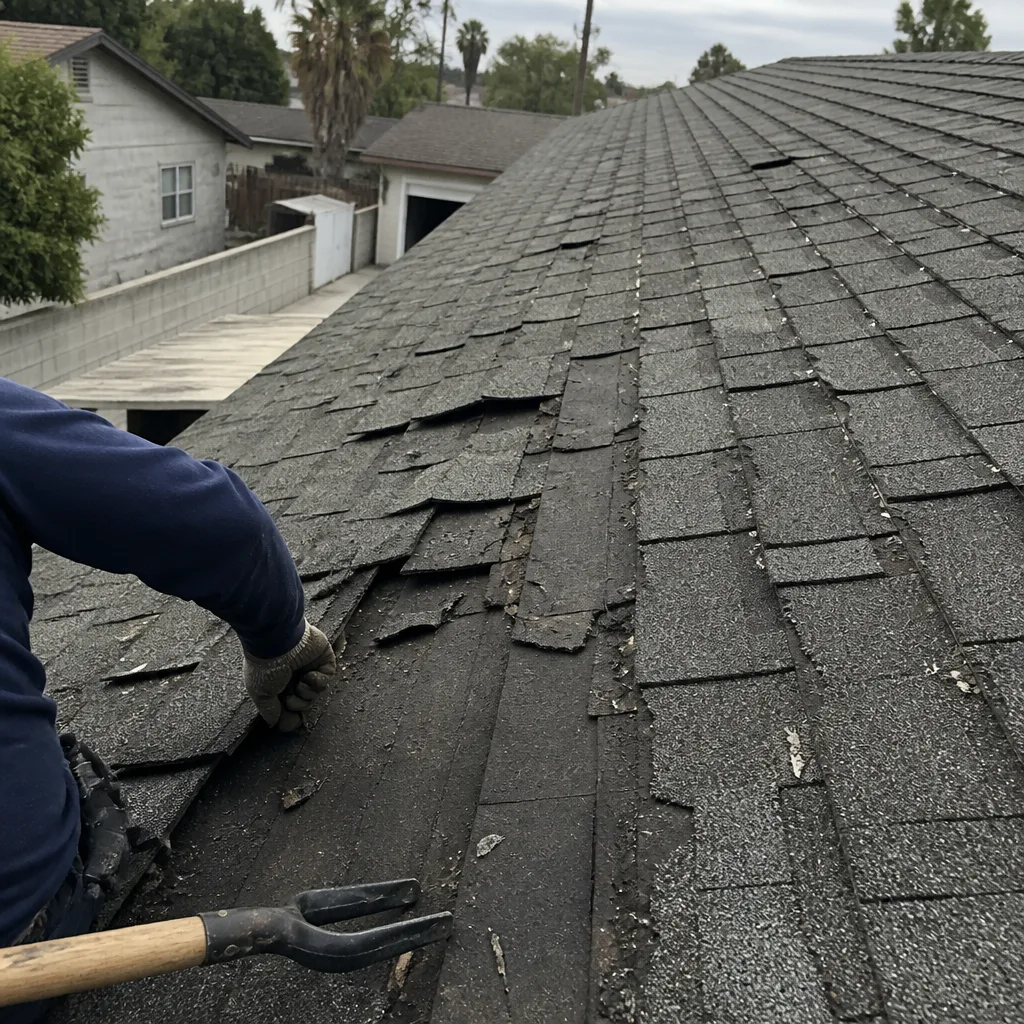
First, it feeds the growth of algae and cyanobacteria, the black streaking you see on roofs throughout Inglewood. Algae is cosmetic, but cynobacteria retains moisture against the shingle granule surface, which accelerates granule loss over time. Second, the daily wet-dry cycle of marine layer mornings followed by afternoon sun creates a micro thermal expansion pattern that, repeated thousands of times over a decade, breaks down the adhesive bond between shingle layers faster than dry heat alone. In practical terms, we see shingle roofs in the LAX flight corridor zip codes lose granules and curl at the edges three to five years earlier than roofs in the San Fernando Valley with the exact same shingle product and installation date.
The correction is not to avoid asphalt shingles. It is to choose shingles with algae-resistant formulations, such as those available from GAF and CertainTeed, and to schedule inspection intervals that account for the accelerated wear. Homeowners who wait the full 20 to 25 years before looking at their roof often discover that the marine layer has been working quietly the entire time. By the time the leak appears, the repair is often a partial replacement rather than a patch. Roof repair in Inglewood is most cost-effective when problems are caught in the granule-loss and early-curl stage, not after water has reached the decking.
Santa Ana Winds and Low-Slope Rooflines: What Inglewood Bungalows Face
Inglewood’s older housing stock is dominated by bungalows and ranch homes with low-slope rooflines, typically between 2:12 and 4:12 pitch. That geometry is comfortable for a 1940s construction era, but it interacts badly with the Santa Ana wind events that hit the city each fall. On a steep roof, wind hits the surface and deflects upward. On a low-slope roof, wind hits the surface and pushes against it like a hand against a table, prying at shingle edges and lifting anything that is not fully bonded.
The failure mode we see after a Santa Ana event is predictable: shingles along the rake edges, ridge lines, and any area with existing granule loss get lifted, cracked, or torn away entirely. The damage concentrates on the windward side, which in Inglewood means the northeast and east-facing roof planes. Homeowners often check only the side of the roof they can see from the street, which is typically the leeward side. The windward damage remains hidden until the next rain.
Specifying for Santa Ana conditions means three things. First, ensure the roof meets current wind uplift standards for the area, which typically means six nails per shingle rather than the four that were standard in older installations. Second, pay attention to the starter strip and edge metal details. Third, if your roof has low-slope sections that hold water, evaluate whether a peel-and-stick underlayment in those areas is warranted. This is not an upsell. It is the difference between a roof that survives a 50 mph gust event and one that loses ten shingles and needs an emergency call. The installation detail matters as much as the product. Roof replacement in Inglewood should always include a written wind mitigation spec, not just a material quote.
Older Decking and Skip Sheathing: The Hidden Cost Variable
Here is the cost variable that most roofing guides skip entirely: the condition of the decking under your existing roof. Inglewood homes built before approximately 1978 frequently have what is called 1x skip sheathing. That means the roof deck is not solid plywood or OSB panels. It is individual boards, often 1×6 or 1×8, spaced with gaps between them. Skip sheathing was standard for wood shake and early asphalt shingle installations, and it creates a specific problem for modern reroofing.
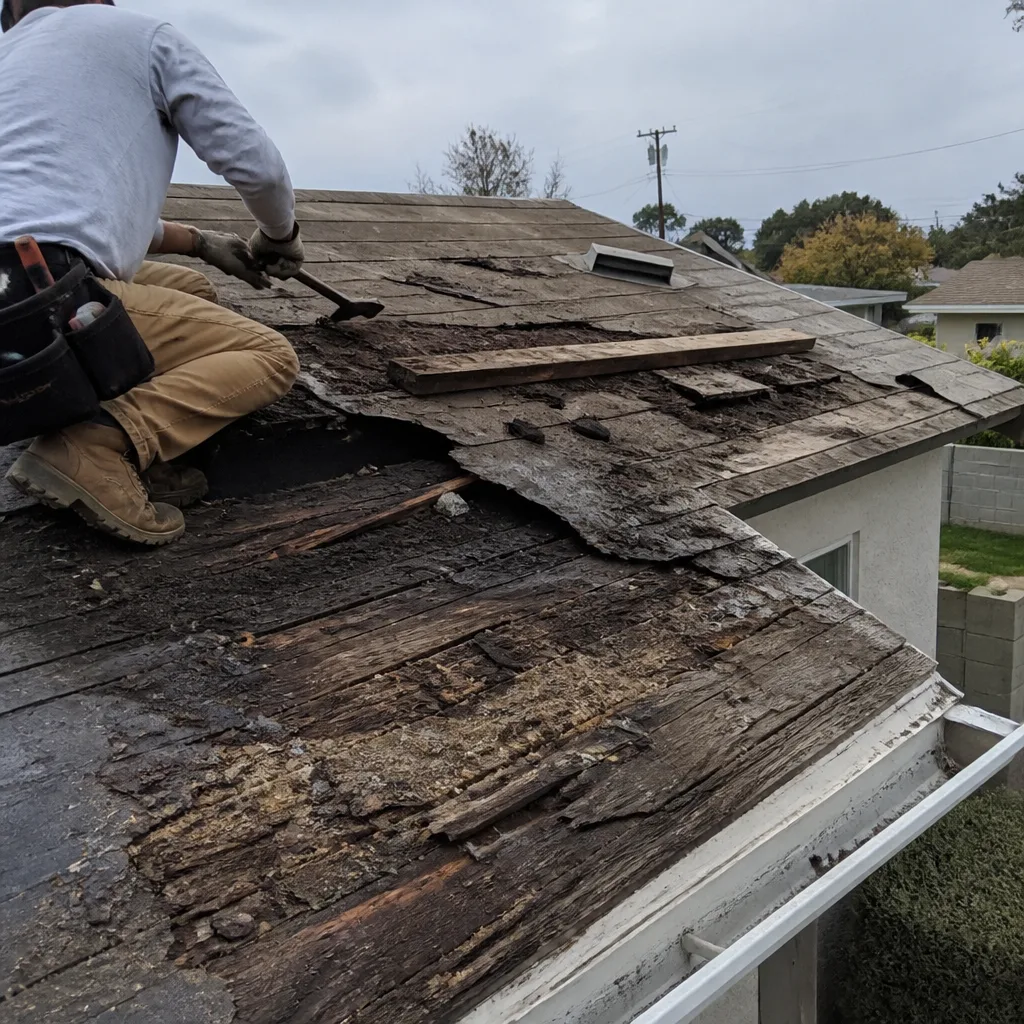
Modern shingle manufacturers require a solid, level nailing surface. Skip sheathing does not provide that. When a contractor tears off an old roof on an Inglewood home with skip sheathing, they have two options: install a solid plywood or OSB overlay over the skip boards, or remove the skip boards entirely and install new decking. The first option is less expensive. The second is more thorough but adds $2,000 to $5,000 to a typical project, depending on roof size and access. Neither option is optional. If a contractor tells you they can nail new shingles directly onto skip sheathing, walk away. That installation will fail along the gap lines within a few years.
The practical advice is this: before you budget for a reroof, get an attic inspection that documents the decking type. If you have skip sheathing, your real cost is not just the shingle quote. It is the shingle quote plus the decking correction. A competent inspector will tell you this before the tear-off, not after. If the first time you hear about decking replacement is after the old roof is in the dumpster, you have been set up for a change order. That is not how a repair-first contractor operates. The scope should be defined before the work starts.
Material Selection for CEC Zone 9: A Practical Matrix
Inglewood falls within California Energy Commission Climate Zone 9, along with most of coastal Los Angeles County. Zone 9 is characterized by mild winters, warm summers, and persistent coastal influence. That sounds benign, and compared to the inland heat of Zone 14 or 15, it is. But Zone 9 has its own specification logic. Cool-roof requirements under California Title 24 apply to new construction and re-roofs in many cases, which means your shingle color choice has an energy compliance component, not just an aesthetic one. The marine layer also means that tile and slate roofs, which handle moisture well, are more appropriate here than in the desert, while wood shake, which retains moisture and fails fire code, is effectively a non-starter.
Here is the material matrix we use when advising Inglewood homeowners:
- Asphalt architectural shingles: The best balance of cost, longevity, and wind performance for most Inglewood homes. Choose algae-resistant lines from GAF, CertainTeed, or Owens Corning. Expected local lifespan: 18 to 24 years with proper ventilation and maintenance.
- Asphalt 3-tab shingles: Cheaper upfront, but thinner, less wind-resistant, and rarely a good value in Inglewood when the marine layer and Santa Ana winds are factored in. We generally advise against them for anything other than a flat-sale prep where budget is the only consideration.
- Concrete tile (including Boral profiles): Excellent longevity, excellent moisture resistance, good fire performance. The caveat: tile is heavy. Older Inglewood roof structures may need seismic retrofitting or reinforcement before tile can be installed. This is a structural question, not an aesthetic one.
- Clay tile: Similar to concrete tile with a more traditional Spanish and Mediterranean appearance. Weight considerations apply. Best matched to Inglewood’s Spanish Colonial and Mission Revival homes.
- Standing seam metal: Strong wind performance, good fire rating, moderate moisture tolerance. Less common on Inglewood bungalows but appropriate on modern additions and flat-roof sections where standing water is an issue.
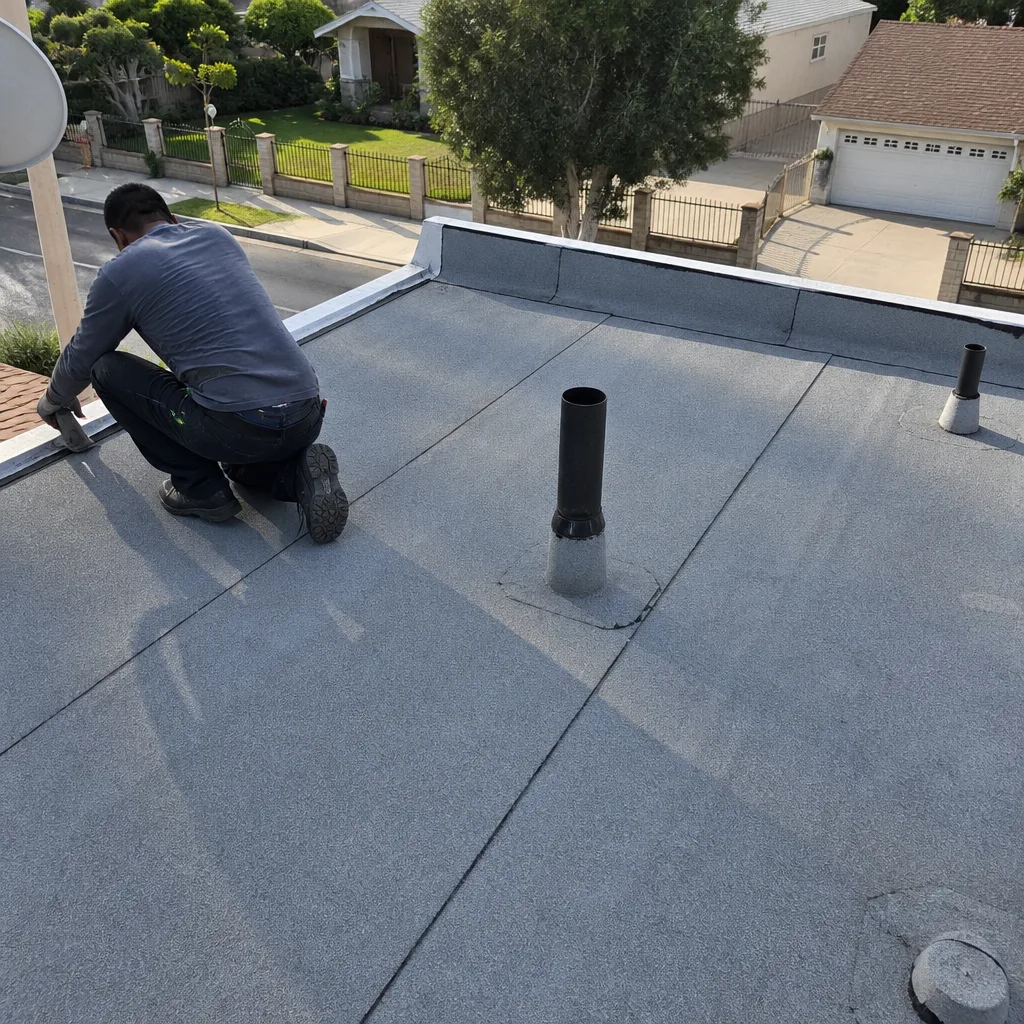
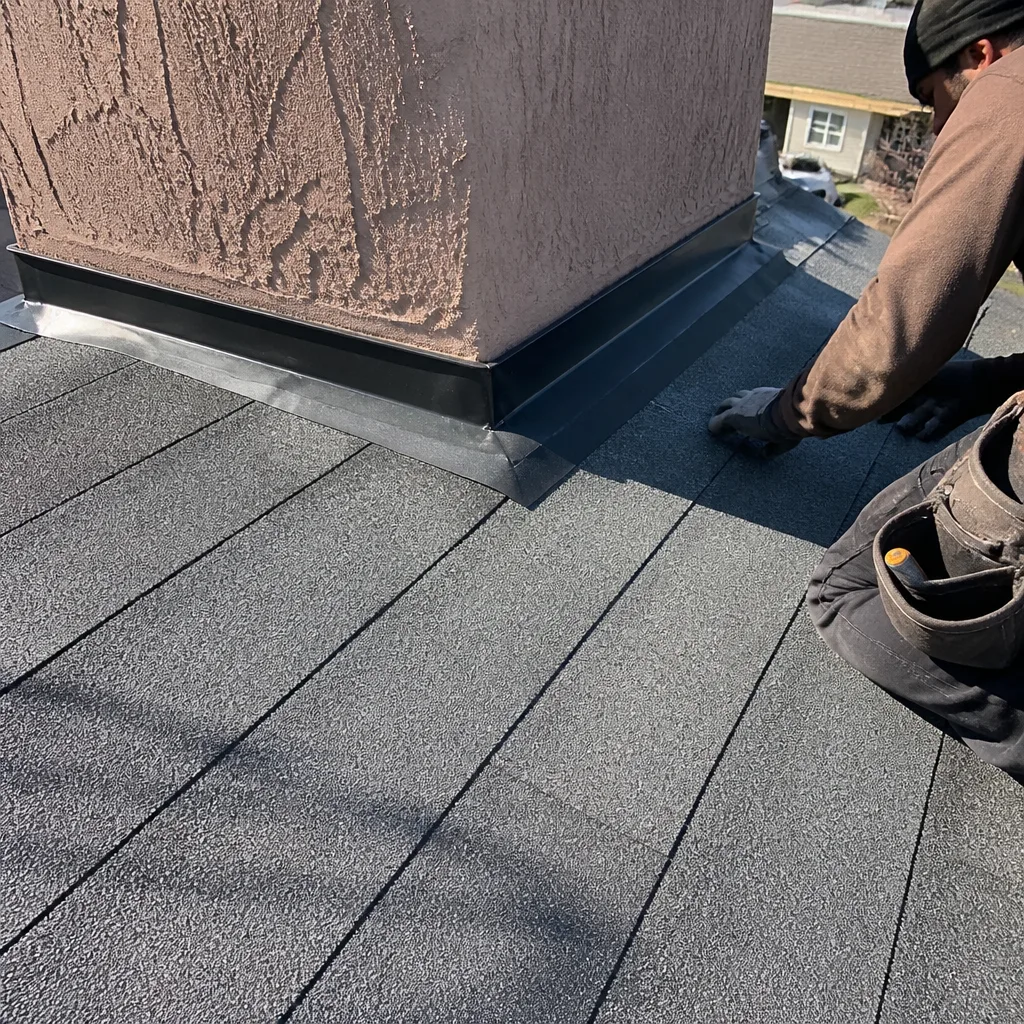
- Flat/low-slope membrane (TPO or modified bitumen): Necessary on the flat-roof sections common on Inglewood additions and some mid-century designs. Choose a membrane with UV resistance appropriate for Zone 9 sun exposure.
The key insight is not that one material is best. The key insight is that the material has to match the roof geometry, the decking condition, the fire zone requirements, and the homeowner’s actual lifespan horizon. Seven major brands means you choose. A contractor with one brand and one pitch means you don’t.
Repair or Replace: How to Make the Call Without a Sales Pitch
Every roofer who shows up at your door has an incentive to recommend replacement. A replacement job is worth five to ten times a repair. That is why Chatham Roof Repair exists as a repair-first company, and it is why you should approach any replacement recommendation with a specific set of questions.
Here is the decision framework we walk through with Inglewood homeowners. Run your own roof through it.
- What is the age of the roof? If the shingles are under 12 years old and the failure is localized, repair is almost always the right call. If the roof is over 20 years old and showing granule loss across multiple planes, the marine layer has likely already done the underlying damage.
- What is the decking condition? A repair that reveals softened or rotted decking changes the calculus. You cannot install new shingles on compromised substrate. If decking replacement is already required across a significant area, a full replacement may be the more honest recommendation.
- Is the leak isolated or systemic? One leak from a plumbing boot or a single damaged shingle is a repair. Multiple leaks or water stains in multiple rooms suggest the roof system as a whole has reached the end of its service life.
- What does the attic insulation look like? Granules accumulating in the insulation, visible daylight through the decking, or sagging between rafters are all signs that the roof has been failing for longer than the visible surface suggests.
- What is the remaining lifespan of the adjacent roof sections? If one slope needs replacement while the other three have 15 years left, a repair might be the better value. If the entire roof is within five years of replacement anyway, consolidating makes financial sense.
The goal is not to avoid replacement. The goal is to avoid replacement that is recommended for the contractor’s benefit rather than the roof’s. A proper roof inspection in Inglewood documents the condition of each roof plane, the decking, the flashing, and the ventilation. The recommendation follows the findings. That is the order the process should work in.
LAX Proximity and Insurance: Documentation That Protects Your Claim
Inglewood’s location directly under the LAX flight corridor creates an insurance dynamic that most roofing guides ignore completely. Homes in the flight path, particularly those in the 90301, 90302, and 90305 zip codes, are subject to vibration stress from aircraft overflight. That vibration does not cause acute damage, but over years it loosens fasteners, accelerates the failure of sealant bonds, and contributes to the micro-movement that breaks down the adhesive between shingle layers. Insurance carriers know this. When you file a claim for wind or storm damage, the adjuster’s first question is often whether the roof damage is attributable to a covered event or to chronic wear and tear.
The documentation that protects you is simple to maintain but rarely maintained:
- An inspection report from a licensed contractor that establishes the roof’s condition at a specific point in time. This baseline is invaluable when you later claim that a Santa Ana event caused damage. Without it, the carrier will attribute everything to age.
- Date-stamped photos of the roof surface and any visible damage, taken from multiple angles. Keep the metadata. Screenshots do not qualify.
- Records of any previous repairs, including what was done, when, and by whom. A repair history demonstrates maintenance, which carriers reward during claim evaluation.
- The original material warranty documentation, which helps establish manufacturer defects versus environmental wear.
One more point about LAX: the noise abatement programs and the associated property disclosures are a real estate consideration, not a roofing one, but they do mean that Inglewood homes sometimes have unusual roof insulation or acoustic underlayment configurations. We have encountered roofs where an acoustic mat was installed over the decking in the 1980s and then roofed over without proper ventilation. That mat trapped moisture against the decking and caused rot that looked like a shingle failure from above. The lesson: in a flight-corridor home, a thorough attic inspection is not optional. It is the only way to know what is actually under the shingles.
How to Evaluate an Inglewood Roofing Contractor
The contractor selection process in Inglewood has its own failure modes. The city has its share of established local companies, but it also has out-of-town operations that roll in after wind events, quote low, and vanish. The following checklist is weighted toward the specific risks an Inglewood homeowner faces.
- Verify the license with the Contractors State License Board. This takes thirty seconds online. Do it before you schedule an estimate, not after.
- Ask about the brand roster. A contractor who installs from seven major manufacturers including GAF, CertainTeed, Owens Corning, and Boral can select the right product for your roof rather than forcing the one product they carry. That matters for matching existing profiles and warranty classes.
- Ask whether the company does inspection, repair, and replacement. A company that only does replacement has no incentive to find the problem that can be fixed for $800. A company that does all three under one roof has no reason to inflate the scope.
- Ask about decking in the quote. A contractor who knows Inglewood will mention the possibility of skip sheathing, dry rot, and decking replacement before the tear-off. A contractor who quotes a flat shingle price and says “we will see what we find” is setting you up for a change order.
- Ask for a written scope with line items. No verbal estimates. If the scope of work does not include underlayment specifics, flashing details, and ventilation details, it is not a quote. It is a number.
- Check whether the company is roofing-only. A general contractor who offers roofing alongside kitchens and bathrooms is not a roofing specialist. The discipline deserves focused expertise.
The relationship should feel like a diagnostic consultation, not a sales presentation. If the contractor spends more time talking about financing options than about your specific roof condition, that tells you what the priority is.
What Roofing Actually Costs in Inglewood in 2026
Here are the numbers, and they are Inglewood numbers, not national averages. The ranges below reflect what we see across the city as of 2026, accounting for local labor costs, material pricing, permit fees, and the specific conditions of Inglewood’s housing stock.
- Roof inspection: $0 to $350, depending on whether it is a maintenance inspection or a pre-purchase inspection with documentation. Free estimates for documented roof issues are standard.
- Minor repair (single leak, shingle replacement, flashing patch, boot replacement): $350 to $900. This is the repair-first solution that resolves the vast majority of localized failures.
- Moderate repair (multiple leaks, valley replacement, significant shingle section replacement, pipe collar replumbing): $900 to $2,500.
- Full replacement with architectural asphalt shingles on a 1,200 square foot Inglewood home: $14,000 to $22,000, including tear-off, underlayment, decking repair as needed, and standard trim. Skip sheathing overlay or replacement adds $2,000 to $5,000.
- Full replacement with concrete tile: $30,000 to $55,000 on the same footprint, with structural reinforcement adding variable cost depending on the existing framing.
- Full replacement with standing seam metal: $28,000 to $45,000.
- Flat roof membrane replacement on an addition or garage: $4,000 to $9,000 depending on square footage and membrane type.
These numbers are not quotes. They are planning ranges. The only way to get an exact number for your specific roof is to have it inspected. But the ranges above should give you a calibration point when you receive bids. A bid that comes in dramatically under the range is either using lower-grade materials, skipping the underlayment or decking work, or planning to make up the difference in change orders. A bid that comes in dramatically over the range should be explained in writing. The price itself is not the problem. The unexplained price is.
An Inglewood-Specific Maintenance Timeline
Roofs in Inglewood do not fail suddenly. They fail gradually, over years, in a sequence that is predictable if you know what to look for. Here is the maintenance cadence that matches the city’s actual conditions.
- Annually, after the last Santa Ana event of the season (usually November or December): Walk the property and inspect visible roof surfaces for lifted, torn, or missing shingles. Pay particular attention to the northeast and east-facing slopes. Use binoculars if you do not want to climb a ladder.
- Every two years: Have a professional inspection that includes the attic. The inspector should document ventilation, decking condition, granule accumulation in the insulation, and any water staining. This is the single highest-value maintenance action available to an Inglewood homeowner.
- After any wind event with gusts over 40 mph: Inspect within 48 hours. Do not wait until rain reveals the leak.
- Every five to seven years, or when granule loss becomes visible on multiple slopes: Consider a professional granule adhesion assessment. This is the point at which the marine layer damage becomes measurable, and the repair-versus-replace decision can be made with data instead of guesswork.
- When the roof reaches 15 years of age: Start budgeting for replacement, even if the roof currently looks fine. The marine layer, the Santa Ana cycling, and the aircraft vibration are all cumulative. Knowing the replacement is coming in the next five to eight years allows you to make the decision on your timeline, not during an emergency.
One more note: do not pressure-wash an asphalt shingle roof. The marine layer leaves organic residue, and the instinct to clean it off is understandable. Pressure washing strips granules, shortens the roof’s lifespan by years, and voids most manufacturer warranties. A soft wash with the correct chemical treatment is the only cleaning method that should ever touch an asphalt shingle surface. If a contractor offers pressure washing as roof maintenance, decline.
Common Mistakes to Avoid
- Ignoring the attic inspection. The attic tells you what the roof surface conceals. Skip sheathing, rot, ventilation failures, and acoustic mats all reveal themselves from below. A roof inspection that does not include the attic is half an inspection.
- Choosing shingle color without checking Title 24 compliance. In CEC Zone 9, cool-roof requirements apply to many re-roofs. The wrong color can fail inspection after the roof is installed. Your contractor should know the compliance status of the product you are choosing.
- Accepting a quote with no decking contingency. Inglewood’s older homes make decking surprises common, not rare. A quote that does not address decking is a quote that will change.
- Assuming all “30-year” shingles last 30 years. The warranty term is not a lifespan prediction. In Inglewood’s marine layer environment, a 30-year shingle performs more like 20 years. Plan accordingly.
- Choosing a contractor based on price alone. The lowest bid in Inglewood is often from an operation that does not carry local licensing, uses day labor, and disappears after the next rain. The highest bid is not automatically better either. Evaluate the scope, not just the number.
- Failing to document roof condition before storm season. Without a baseline inspection, your insurance claim will be an uphill fight. Document first, then file.
- Pressure washing the roof to “clean it up” before selling. This shortens the roof’s life and can void the warranty. If you are selling, disclose honestly and let the buyer’s inspector evaluate. A soft wash is fine. A pressure wash is not.
When to Call a Professional
Some roofing decisions can be made from the ground with a pair of binoculars and a patient eye. Others require the expertise of someone who has seen hundreds of Inglewood roofs and knows what local failure looks like. Call a professional when you see water stains on ceilings or walls, when granule accumulation appears in your gutters, when shingles are curling at the edges, when you see daylight in the attic, when a wind event has lifted shingles off a slope, or when the roof is over 15 years old and has never had a documented inspection. These are not conditions that improve with waiting. Chatham Roof Repair offers free estimates in Inglewood and will give you a documented assessment of what your roof actually needs, not what we would prefer to sell. Call (866) 361-1724 to schedule.
Frequently Asked Questions
A full replacement with architectural asphalt shingles on a typical 1,200 square foot Inglewood home runs between $14,000 and $22,000 as of 2026, including tear-off, underlayment, and standard flashing. Homes with skip sheathing or significant decking rot should budget an additional $2,000 to $5,000. Tile and metal roofs run higher, typically $28,000 to $55,000. Call (866) 361-1724 for a free estimate specific to your roof’s age, decking condition, and existing material.
Architectural asphalt shingles in Inglewood typically last 18 to 24 years, which is shorter than the national average because of the marine layer, Santa Ana wind cycling, and aircraft vibration stress. The lifespan varies significantly by orientation, with northeast-facing slopes wearing faster due to wind exposure. A documented maintenance history and proper ventilation extend the range; neglect shortens it.
Yes. A reroof in Inglewood requires a building permit from the city, and the work must meet current California Building Code requirements including Title 24 cool-roof compliance where applicable. Your contractor should pull the permit, schedule the inspections, and close out the job with the city. If a contractor offers to skip the permit to save money, that is a red flag about how the rest of the job will go.
In many cases, yes. If the roof is under 15 years old, the decking is sound, and the failure is localized to a specific area such as a flashing point, a plumbing boot, or a wind-damaged section, a targeted repair is often the correct solution. The repair-first approach means the scope follows the inspection findings. Replacement is recommended when the roof is at the end of its service life or when decking failure is widespread. Call (866) 361-1724 and we will tell you which situation you are in.
For most Inglewood homes, algae-resistant architectural asphalt shingles offer the best balance of cost, wind performance, and lifespan. Concrete tile is an excellent long-term option on homes with the structural capacity to carry the weight. Flat-roof sections require a membrane system such as TPO or modified bitumen. The correct answer depends on your roof geometry, decking condition, and budget horizon, which an inspection establishes.
Yes. Homes under the LAX flight path experience chronic vibration stress that loosens fasteners, breaks down sealant bonds, and accelerates shingle adhesive failure over time. This does not cause acute damage, but it shortens the effective lifespan of the roof and complicates insurance claims. Maintaining a documented inspection baseline and repair history helps protect your claim when wind or storm damage occurs.
The Bottom Line
Inglewood roofing is not generic Southern California roofing. The marine layer, the Santa Ana winds, the older decking standards, and the LAX flight corridor combine to create conditions that require local knowledge and honest diagnosis. The right approach is simple: inspect before you decide, repair before you replace, and choose a contractor who can select from multiple manufacturer brands rather than forcing a single product line. Inspection, repair, and full replacement should all be available from one company, start to finish. If you have a specific concern about your roof, call us for a free estimate and we will tell you what we find, not what we want to sell.
Written by the team at Chatham Roof Repair, serving Inglewood since 2016.
See the difference
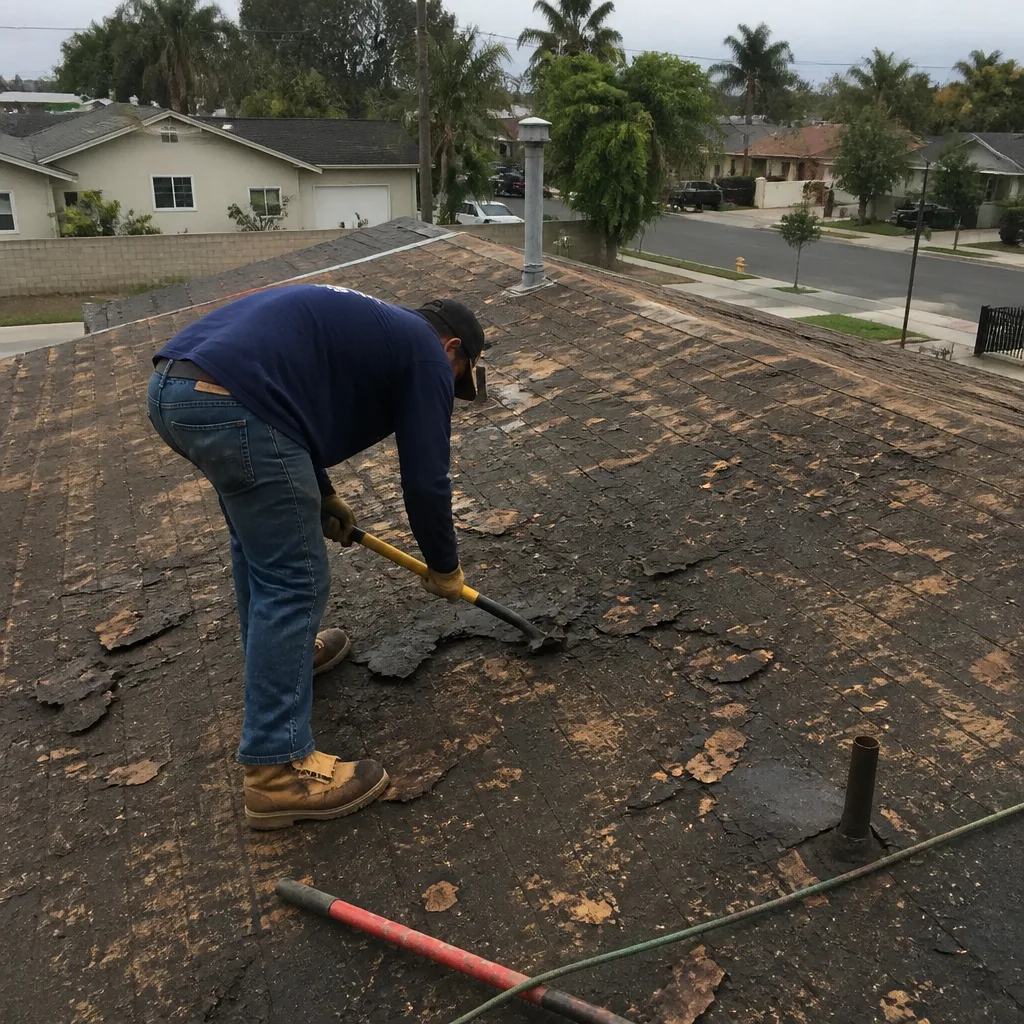 Before
 After
 Before
 After
 Before
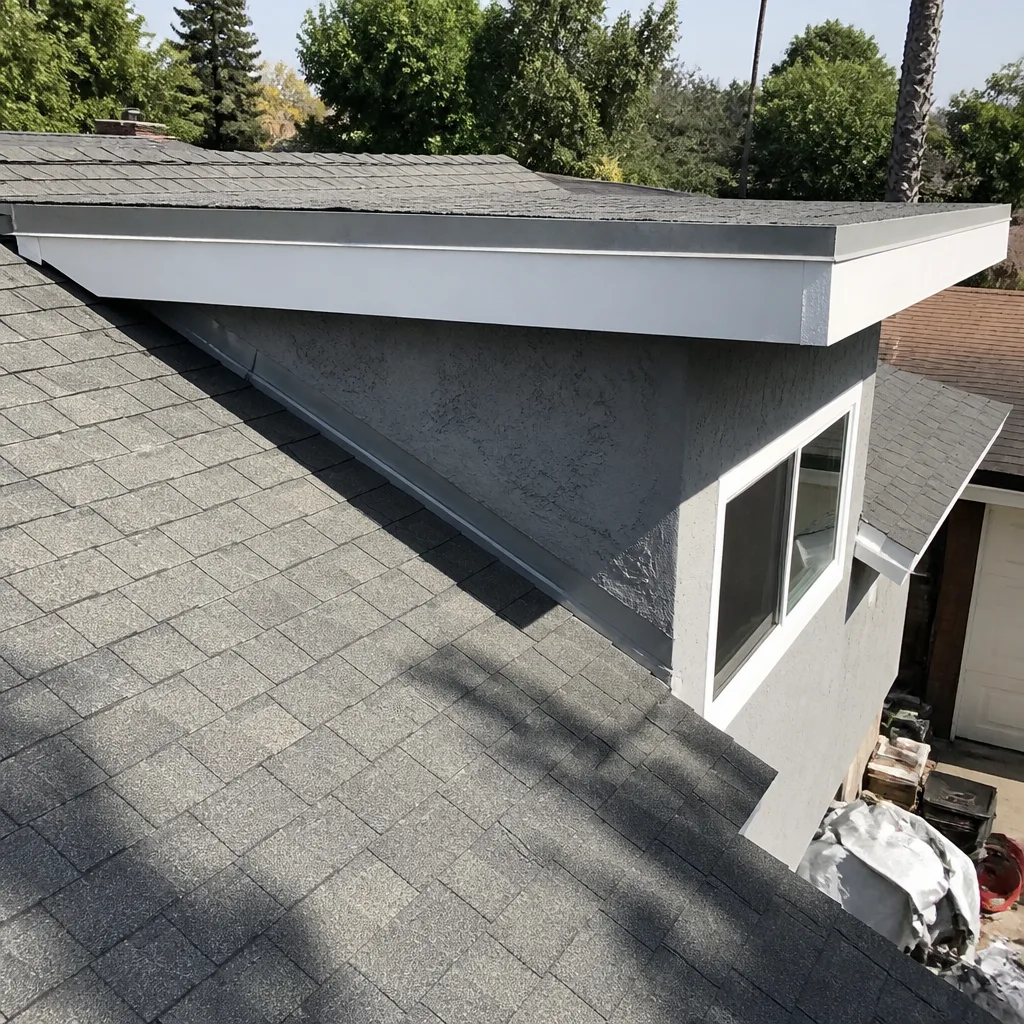 After