Last updated October 30, 2026
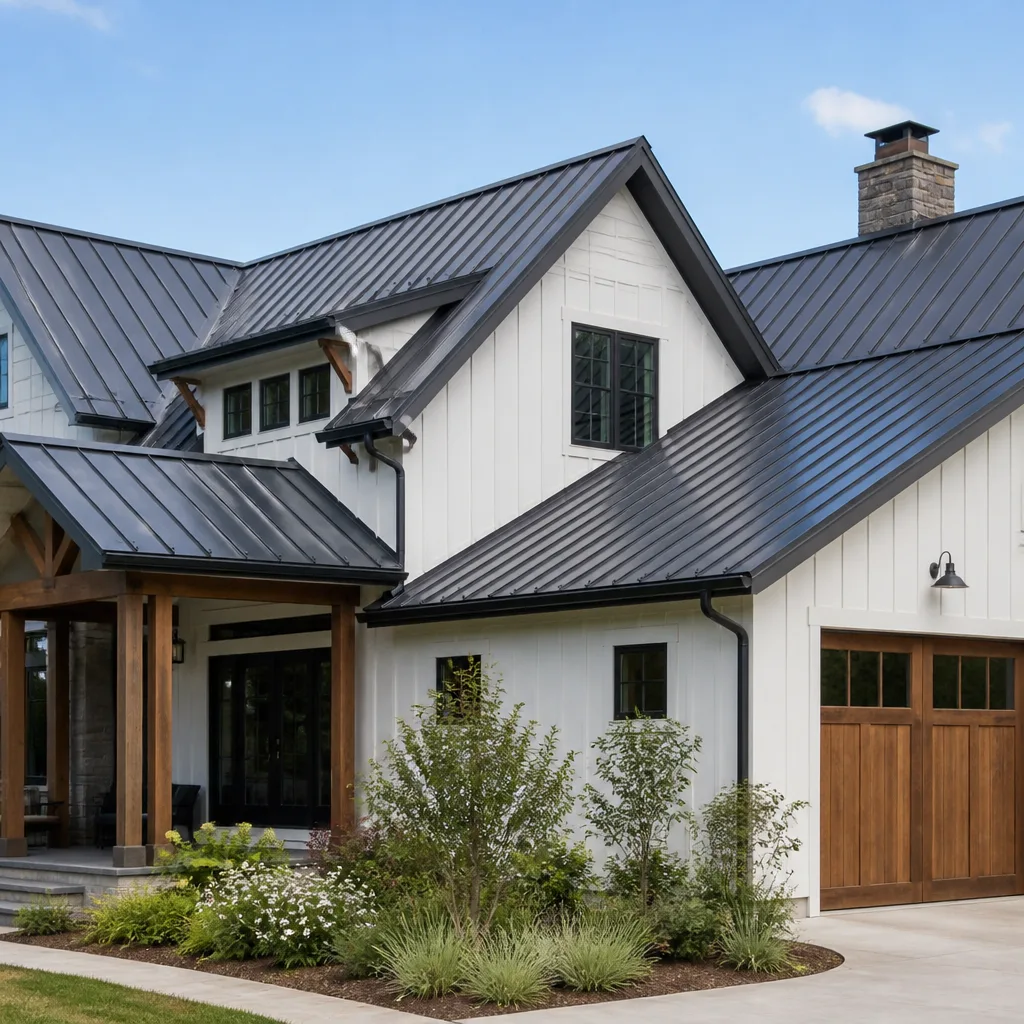 Metal roofing
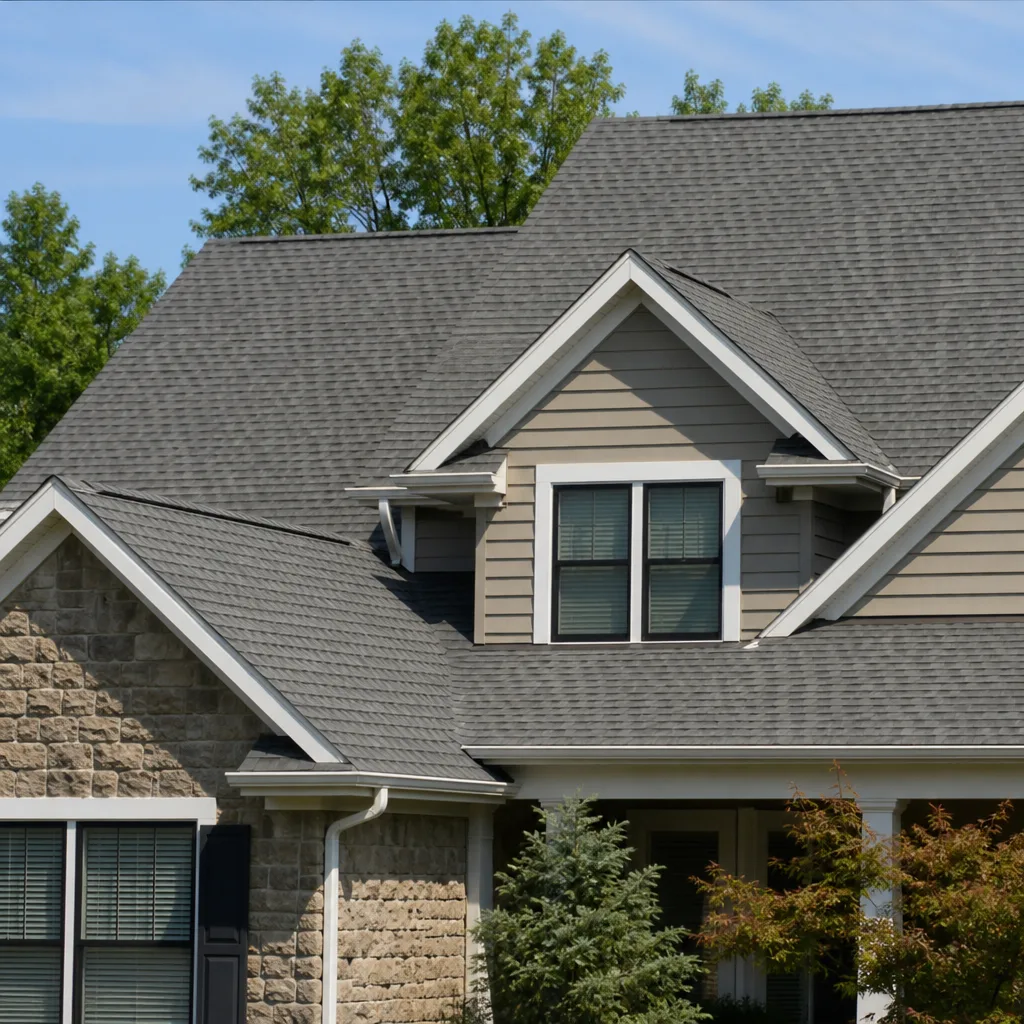 Architectural shingles
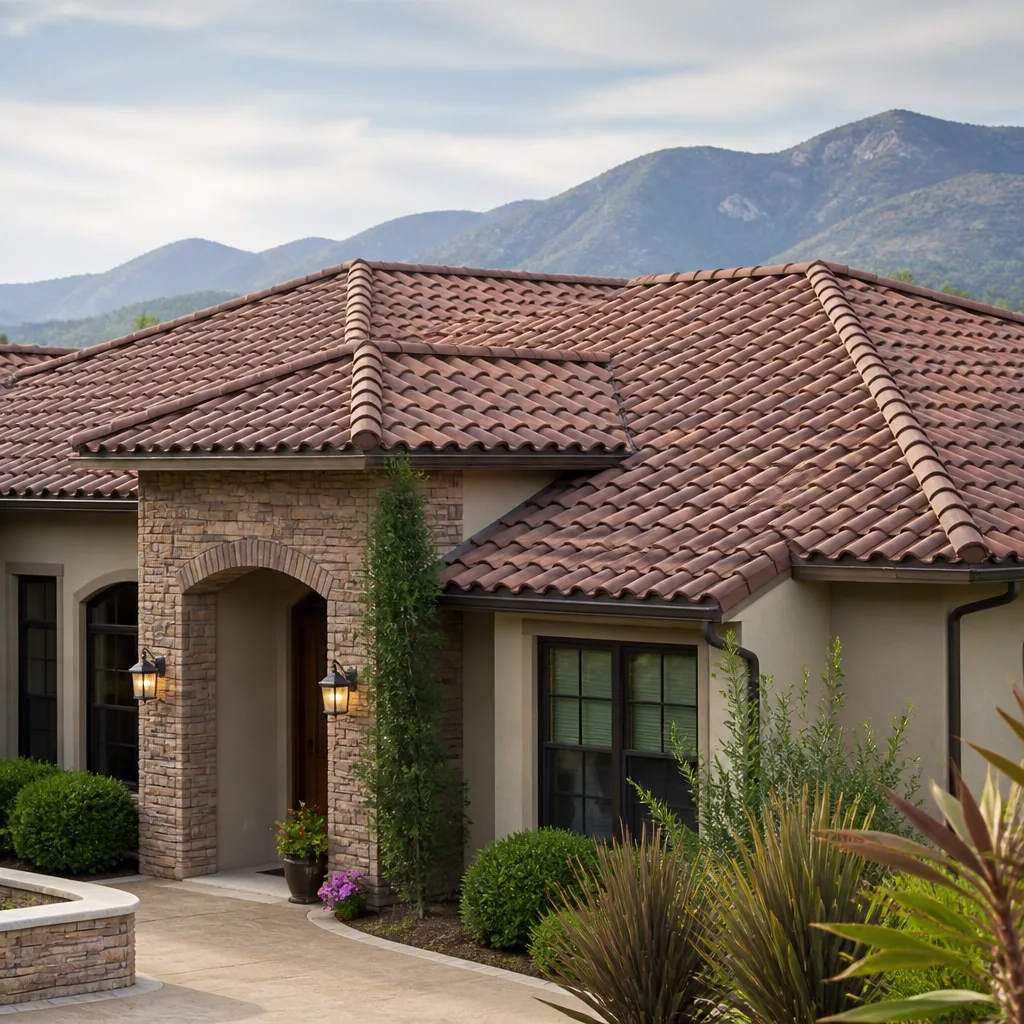 Tile roofing
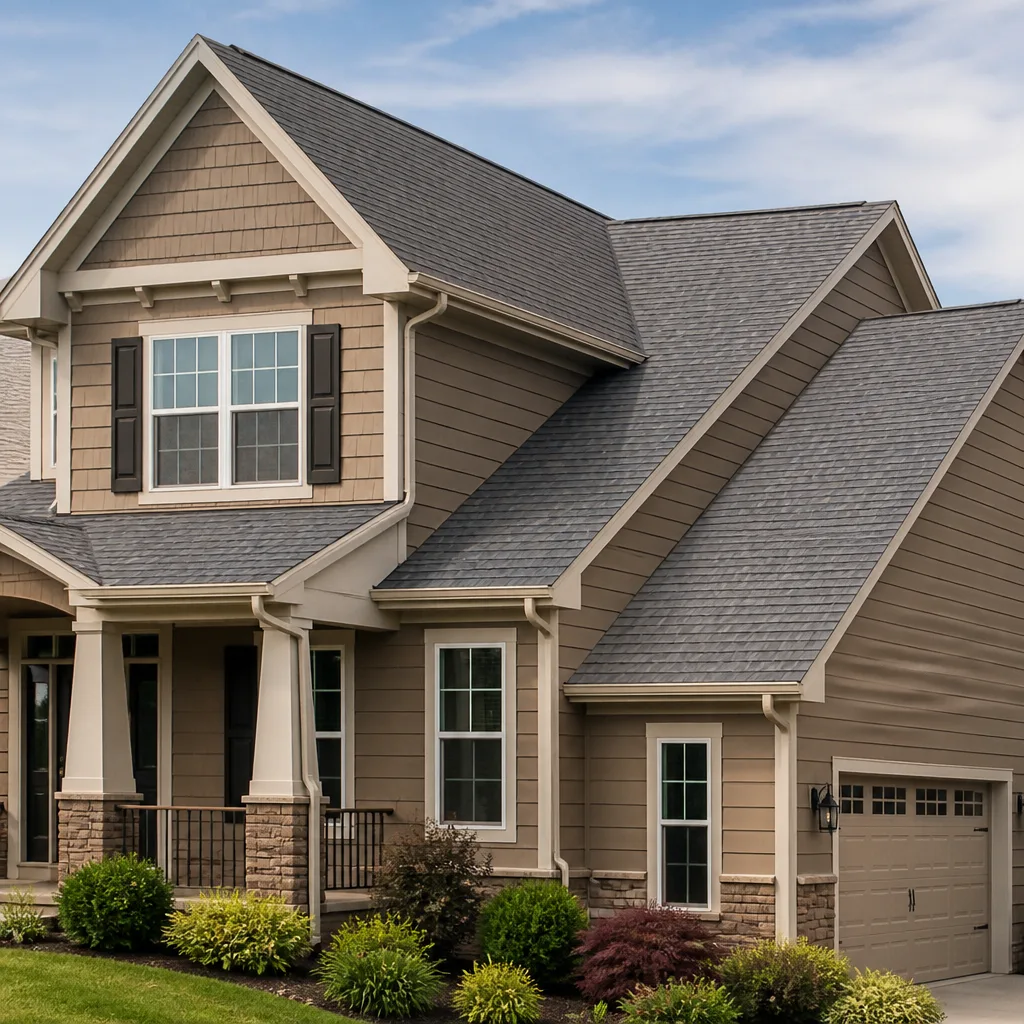 GAF
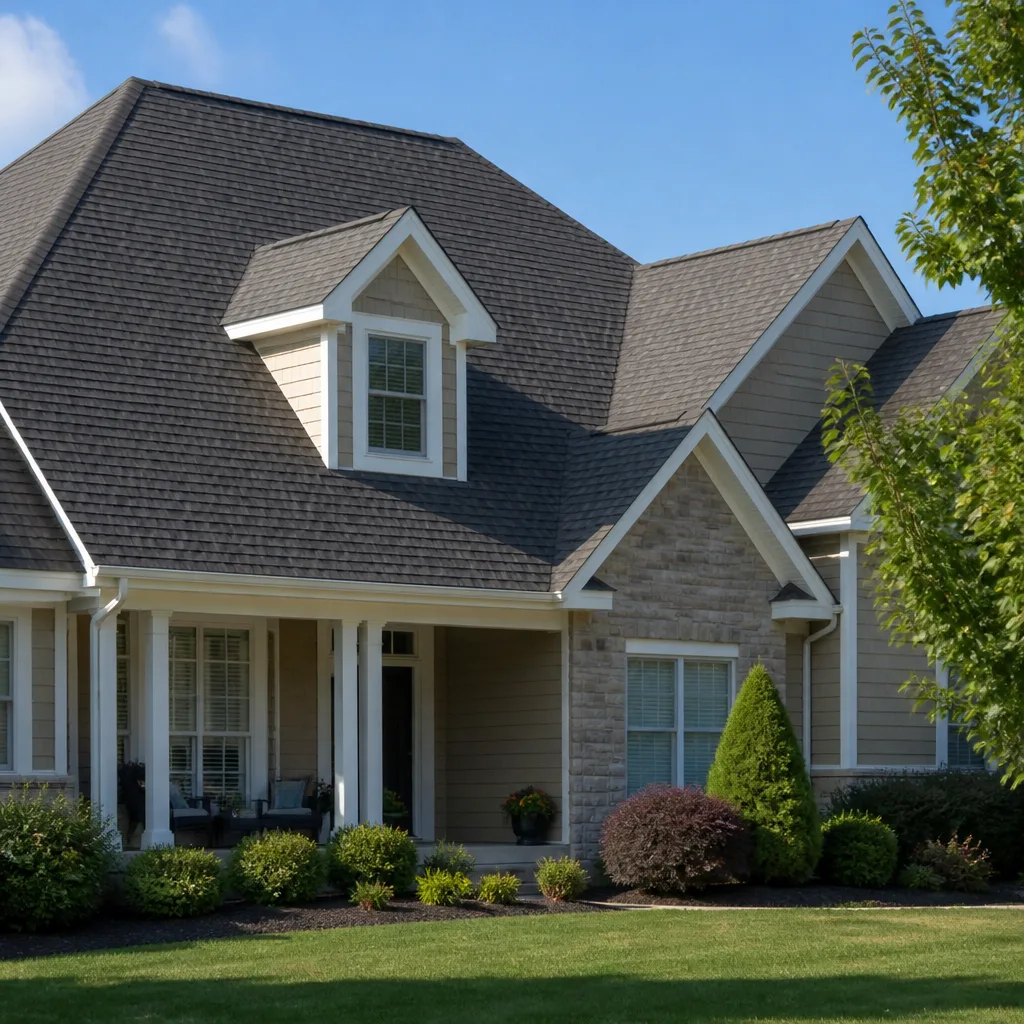 Owens Corning
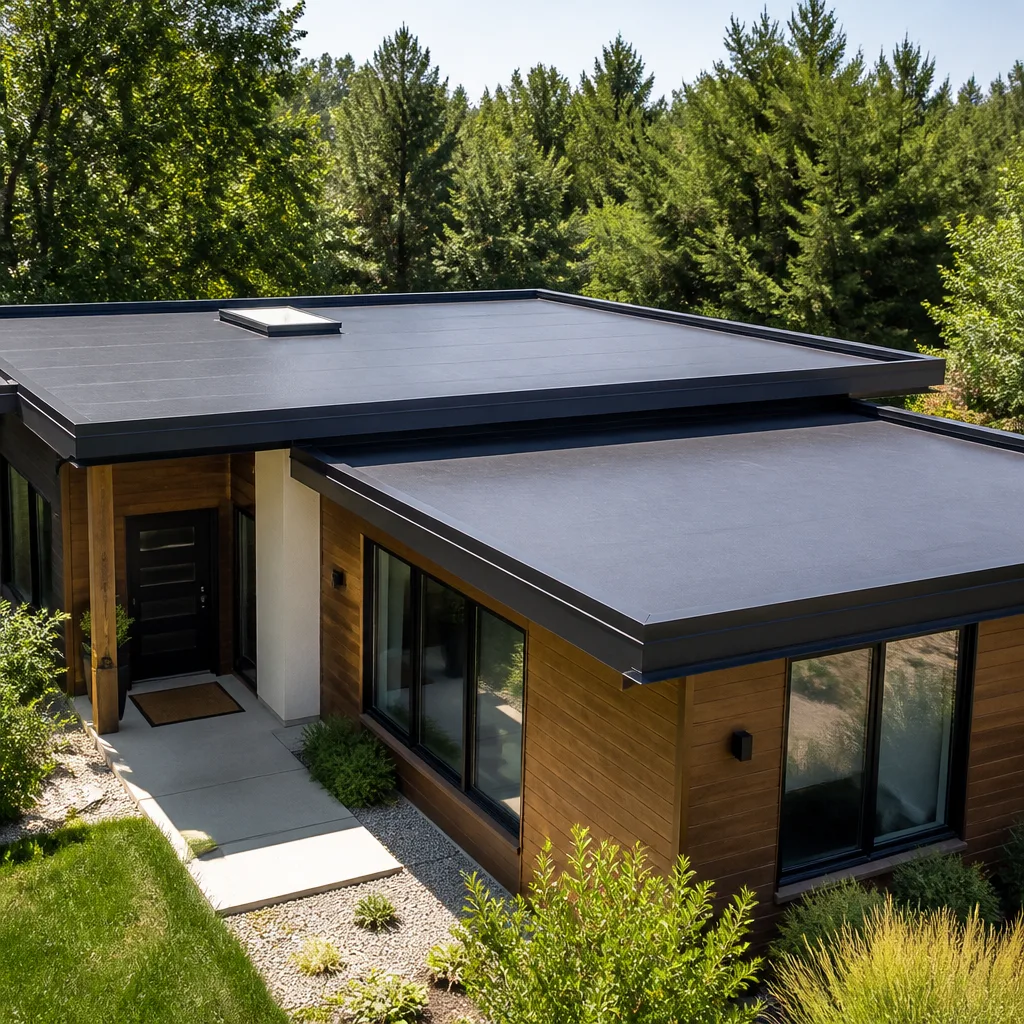 Flat & low-slope
Free roof inspection with deck photos before we talk money - GAF and Owens Corning certified installation
Roofing Cost Breakdown: The Inglewood Homeowner’s Reference for 2026
If you’ve pulled roofing quotes in Inglewood and felt the numbers looked inflated, you’re not misreading the market. Most online cost calculators pull from national averages built on labor rates in places like rural Ohio or central Texas. Inglewood sits inside one of the most expensive construction labor markets in the country, and when you layer on local permit fees, disposal costs, and fire-code material requirements, the gap between “internet price” and “real bid” widens fast. This guide breaks down what a roof actually costs in Inglewood in 2026, line by line, so you can read a bid and know exactly what you’re paying for. For Roofing Warning Signs: A Inglewood Homeowner’s Reference Guide on when replacement makes sense, see our companion piece.
Quick Answer
A full asphalt shingle roof replacement in Inglewood runs $11,500 to $27,000 for a typical 1,500 to 2,000 square foot single-story home in 2026, with architectural shingles landing between $13,500 and $19,500. Tile roofs run higher, $22,000 to $45,000, and flat roofing systems land between $9,000 and $18,000 depending on the membrane. Repairs are dramatically cheaper: most targeted fixes run $350 to $1,800. The single biggest variable is not material choice. It’s whether your decking passes inspection once the old roof comes off.
Styles & brands we work with
Table of Contents
- Material Costs by Roof Type: What Each System Actually Costs in Inglewood
- Why Inglewood Labor Rates Are Higher Than the National Average
- The Inglewood Permit and Inspection Line Item Most Quotes Omit
- Decking Replacement: The Hidden Cost on Most Reroof Jobs
- Class A Fire-Rated Underlayment: What Inglewood Code Requires
- Manufacturer-Warrantied Installation vs. Standard: What the Premium Buys
- How to Read a Roofing Bid Without Getting Burned
- Repair vs. Replacement: What a Diagnosis-First Approach Saves
Material Costs by Roof Type: What Each System Actually Costs in Inglewood
Roofing material prices in Inglewood follow national wholesale trends, but the installed cost reflects local labor and logistics. Here’s what we see on actual quotes in 2026.
Asphalt Shingles: 3-Tab vs. Architectural vs. Impact-Resistant
3-tab shingles are the entry point. They’re thinner, flatter, and rated for about 15 to 20 years in the Inglewood sun. Material costs run $120 to $160 per square (a square is 100 square feet of roof area). Installed, expect $350 to $450 per square, putting a full 20-square roof at $7,000 to $9,000. Few homeowners choose 3-tab anymore, and several manufacturers have trimmed their 3-tab lines. The savings rarely justify the shorter service life.
Architectural shingles, also called dimensional or laminate shingles, are the default for most Inglewood homes. They’re thicker, hold up better to wind, and carry 30-year to lifetime warranties depending on the manufacturer. Material costs run $180 to $260 per square. Installed, $450 to $600 per square. A 20-square roof lands at $9,000 to $12,000. We install architectural shingles from CertainTeed, Owens Corning, GAF, IKO, Atlas, and Tamko, and the price spread between these brands is narrower than most homeowners expect. What varies more is the specific product line within each brand: a premium Owens Corning Duration costs more than an IKO Cambridge, and the difference shows in granule density and warranty terms.
Impact-resistant shingles, often rated Class 4 for hail impact, are relevant in Inglewood less for hail and more for debris from Santa Ana winds. Material costs run $280 to $400 per square. Installed, $650 to $850 per square. A 20-square roof runs $13,000 to $17,000. Some insurers in Los Angeles County offer premium discounts for Class 4-rated roofs, which can offset the upcharge within three to five years. Ask your carrier before you buy.
Tile Roofing
Inglewood has a large stock of Spanish and Mediterranean style homes, and tile is common in neighborhoods like Morningside Park and the streets off La Brea near Centinela. Concrete tile material runs $350 to $500 per square. Clay tile runs $600 to $900 per square. Installed, including the heavier structural consideration and the specialized labor, concrete tile lands at $1,100 to $1,500 per square and clay at $1,500 to $2,200 per square. A 20-square concrete tile roof runs $22,000 to $30,000. Clay can push past $45,000 on a complex roofline. Tile lasts 50 years or more when installed correctly, but the underlayment beneath it fails faster than the tile itself, which is why roof repair in Inglewood on tile homes often involves lifting tile and replacing underlayment, not the tile itself.
Flat Roofing Systems
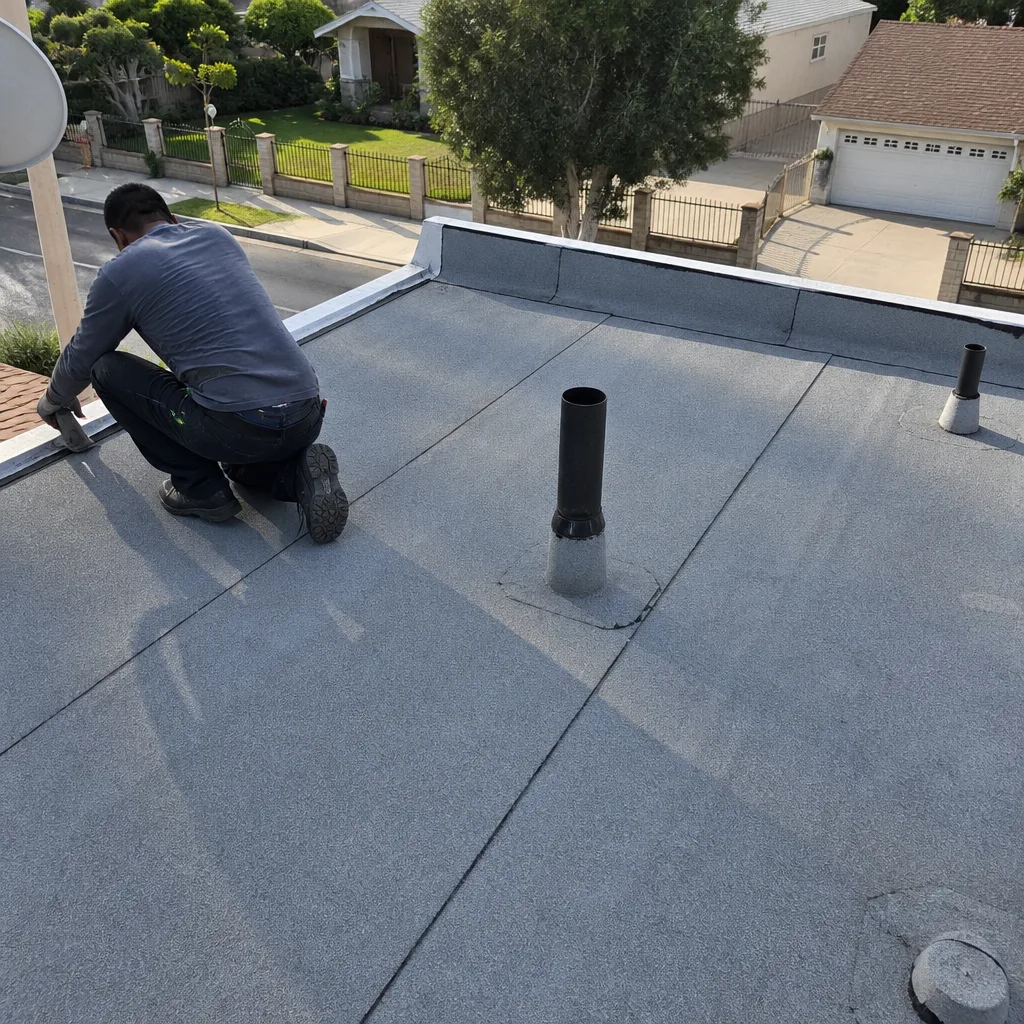
Older Inglewood homes and many apartment buildings use flat or low-slope roofs, especially in the neighborhoods north of Manchester Boulevard. The main options in 2026 are modified bitumen, TPO, and PVC. Modified bitumen runs $450 to $700 per square installed. TPO runs $500 to $750 per square installed. PVC runs $600 to $850 per square installed. For a typical 15-square flat roof, that’s $7,000 to $12,000. Coatings can extend the life of an existing flat roof for $1,500 to $4,000, but they’re a stopgap, not a fix for underlying decking or insulation problems. A proper roof inspection in Inglewood tells you which category your flat roof falls into before you spend anything.
Why Inglewood Labor Rates Are Higher Than the National Average
The national average labor cost for roofing runs $150 to $250 per square. Inglewood and the surrounding Los Angeles County market runs $225 to $375 per square for asphalt work, and more for tile and specialty systems. Several factors drive this.
First, workers’ compensation insurance in California is among the most expensive in the country. A roofing contractor carrying legitimate coverage pays significantly more per employee hour than a contractor in Texas or Florida. The contractors quoting you the cheapest prices are often the ones without proper coverage, and if a worker gets hurt on your property, that liability can land on you. Ask any bidder for a certificate of insurance before you sign anything.
Second, Inglewood’s housing costs mean roofing crews often commute from the Inland Empire or north Los Angeles County. Drive time, fuel, and vehicle wear get priced into every job. Third, the Inglewood metro has a competitive labor pool: experienced roofing mechanics command wages that reflect the local cost of living, and the contractors who retain them pass that cost through.
None of this means you’re getting ripped off. It means the national averages on comparison sites are functionally useless for budgeting a roof in this city. When you see a bid that’s 40% over the “national average,” that quote is often simply priced for reality in Inglewood, not for a hypothetical market in the Midwest.
The Inglewood Permit and Inspection Line Item Most Quotes Omit
Inglewood requires a building permit for roof replacement and for repairs that exceed a certain square footage threshold. The permit fee itself typically runs $300 to $800 for a residential reroof, depending on the valuation of the job. That’s the part most homeowners see. What gets omitted from low bids is everything attached to the permit process.
Inglewood uses the California Building Code with local amendments, and the city’s inspection process for roofing is more rigorous than many surrounding municipalities. A reroof typically requires a minimum of two inspections: one after the old roof is stripped and decking is exposed, and one final inspection after the new roof is installed. Our Roofing Permits, Codes & Inspections in CA: What You Need to Know walks through the full compliance picture. Each inspection requires the contractor to schedule, meet the inspector on site, and correct any issues that come up. That time is real money, and contractors who omit the permit line item from their bid are either planning to pull the permit later and bill you for it as a “change order” or planning to skip the permit entirely. Neither path ends well for a homeowner.
A legitimate bid should list the permit as a separate line item or clearly state that it’s included. If it’s not listed at all, ask directly: “Is the Inglewood permit and inspection process included in this price?” A contractor who hesitates on that answer is telling you something.
Decking Replacement: The Hidden Cost on Most Reroof Jobs
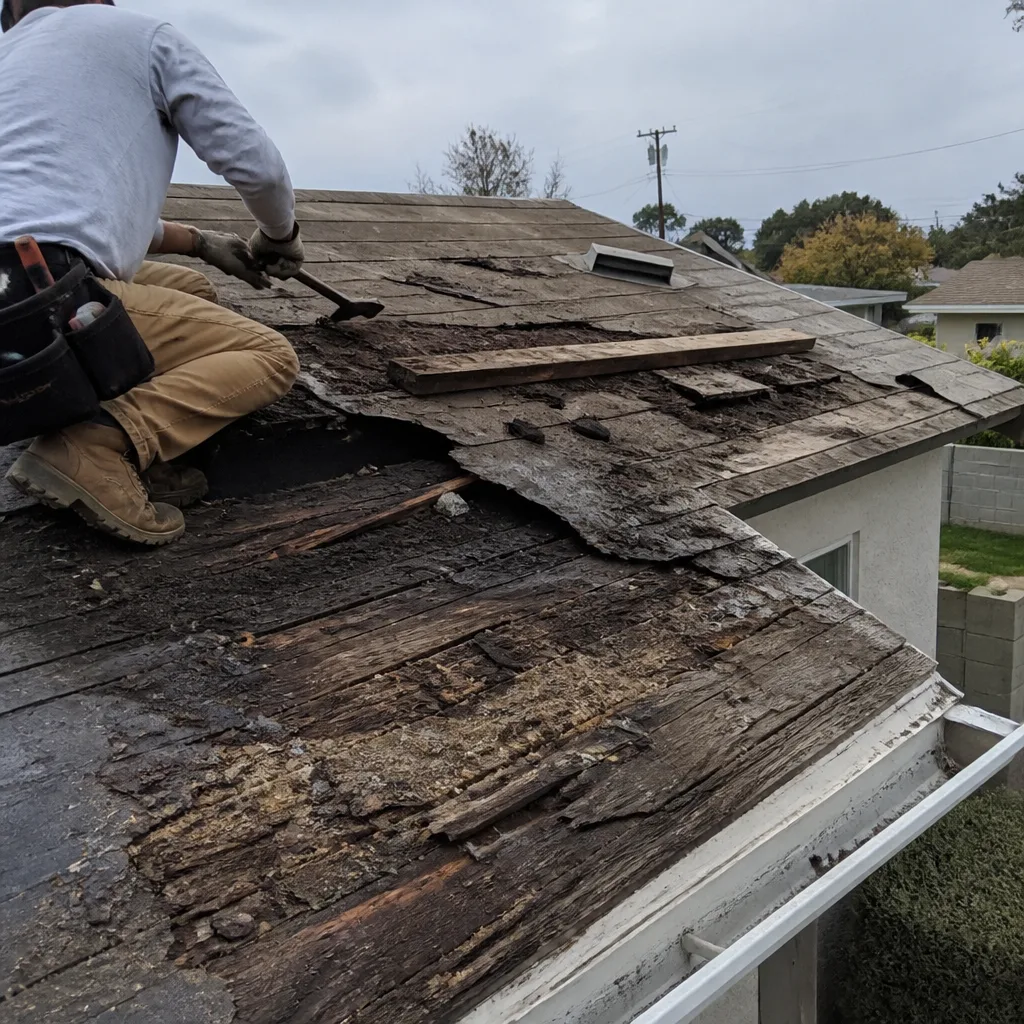
The plywood or OSB sheathing under your shingles is called decking. It’s the structural layer the roofing material attaches to, and it’s the part of the roof you never see until the old roof comes off. Here’s the number most guides won’t give you: in our experience across Inglewood’s housing stock, roughly 40% to 50% of reroof jobs uncover decking that needs at least partial replacement. We’re not going to tell you the national number because most published national estimates are lower, and Inglewood’s specific conditions distort the picture.
Why so high here? Three reasons. First, Inglewood’s housing stock includes a large share of homes built in the 1940s and 1950s, and many of those roofs have seen decades of minor leaks that slowly compromised the plywood from the top down. Second, the marine layer that rolls through on summer mornings means roofs stay damp longer than they do in inland communities, and damp plywood delaminates. Third, older homes were often built with 3/8-inch plywood, which is thinner than the 1/2-inch or 5/8-inch decking modern code requires when it’s time to reroof. If the decking is too thin to meet current Inglewood requirements, it has to come up.
Partial decking replacement adds $65 to $90 per 4-by-8 sheet, installed. A full 20-square decking replacement adds $2,500 to $4,500 to the job. The honest way to handle this is to price the roof and the decking separately, with the decking estimate included as a contingency based on the age and condition of your specific roof. We include a written, per-sheet decking price on every estimate so the math is transparent before the roof comes off. A bid that doesn’t mention decking at all is a bid that’s planning to surprise you.
Class A Fire-Rated Underlayment: What Inglewood Code Requires
Inglewood sits adjacent to the Wildland-Urban Interface in parts of Los Angeles County, and the city enforces fire-safety requirements that many surrounding municipalities apply more loosely. The relevant material here is the underlayment: the layer between the decking and the shingles. In wildfire-adjacent zones, code requires a Class A fire-rated assembly, which in practice means a specific grade of underlayment and, in some cases, specific shingle types.
Class A fire-rated underlayment runs $0.35 to $0.60 per square foot of roof area. Standard #30 felt runs $0.10 to $0.15 per square foot. On a 20-square roof, that’s a difference of roughly $500 to $900. The cheaper felt meets no fire-rating standard and leaves your roof assembly below the code requirement for your zone. Some contractors quote the cheaper felt because the number looks better on paper and most homeowners never check. Others quote a mid-grade synthetic that improves water protection but still doesn’t carry the Class A fire rating the assembly needs.
The tell is in the line item. A legitimate Inglewood bid will specify the underlayment by product name and fire rating. If the bid says “felt” or “synthetic underlayment” without a fire class, ask directly whether it meets the Class A assembly rating required for your address. The answer matters. It’s not just a code compliance issue; it’s an insurance issue. If a fire damages your home and the roof assembly doesn’t meet the rating required for the zone, your carrier has grounds to reduce or deny the claim.
Manufacturer-Warrantied Installation vs. Standard: What the Premium Buys
Every major shingle manufacturer offers two layers of warranty: the material warranty, which covers defects in the shingle itself, and the enhanced warranty, which covers the installation workmanship when the contractor is certified by that manufacturer. The material warranty is included with any purchase. The enhanced warranty costs extra because the contractor has to carry specific certifications and follow stricter installation specs.
Here’s the concrete difference. A standard architectural shingle from CertainTeed or Owens Corning carries a 30-year to lifetime material warranty against manufacturing defects. That’s meaningful, but it doesn’t cover installation errors, which are the most common cause of premature roof failure. A certified installer can offer the enhanced warranty, which typically extends to 50 years and covers workmanship, not just material. The cost premium for a manufacturer-warrantied installation in Inglewood typically runs $1,200 to $2,500 on a full reroof, depending on the brand and the specific program.
When is it worth it? If you plan to stay in the home for 10 or more years, the premium is usually justifiable: the warranty transfers to a new owner in most cases, which adds resale value, and it protects you against installation defects that a standard warranty won’t touch. If you’re replacing a roof on a rental property you plan to sell within a few years, the standard installation is often the rational choice, as long as the contractor’s own workmanship is solid. Chatham Roof Repair is certified with multiple manufacturers on our roster, so you can choose the warranty level that fits your holding timeline rather than being forced into one program by a contractor who only installs one brand.
How to Read a Roofing Bid Without Getting Burned
Most homeowners read the bottom line and ignore everything above it. That’s the mistake. A roofing bid is a technical document, and the line items tell you exactly what kind of job you’re buying. Here’s what to look for.
- Find the square count. The bid should state the roof area in squares. If it doesn’t, the contractor measured by eye or from satellite imagery, and the price is a guess. Insist on a roof that was physically measured with a tape and a ladder.
- Find the underlayment line item. It should name the specific product and its fire rating, not just “underlayment” or “felt.” This is the most commonly substituted material on Inglewood roofs.
- Find the decking contingency. The bid should state a per-sheet price for decking replacement and an estimated number of sheets based on the roof’s observed condition. A bid without a decking line item is a bid with a built-in surprise.
- Find the permit line item. It should be listed, not glossed over. Ask whether the price includes all Inglewood permit fees and inspection scheduling.
- Find the payment schedule. California law limits residential contractors to a 10% deposit or $1,000, whichever is less. Any bid asking for more upfront is out of compliance.
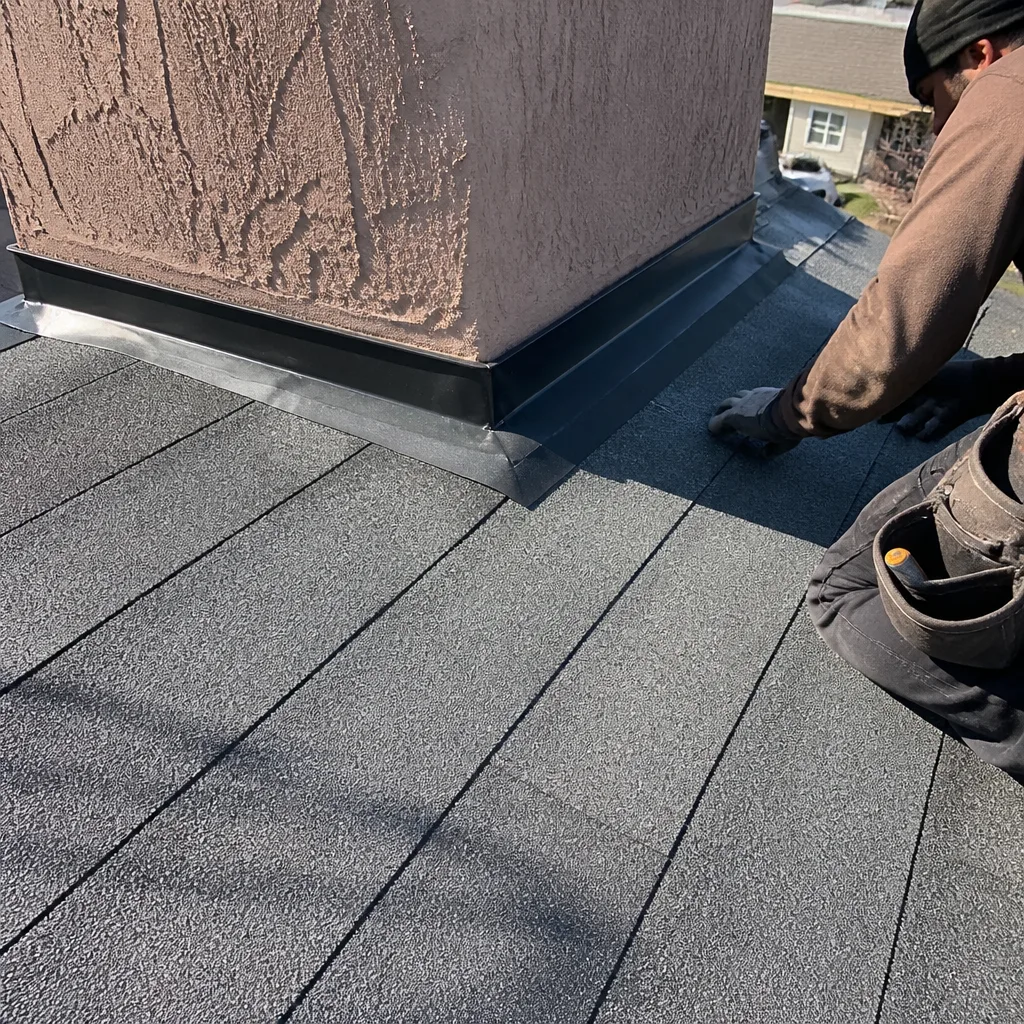
- Find the scope exclusions. A legitimate bid lists what’s not included: chimney flashing, skylight replacement, gutter work, and so on. A bid that doesn’t mention exclusions is a bid that will add them later as change orders.
On the change order point: some scope adjustments are legitimate, especially with decking where the condition is genuinely unknowable until the roof comes off. The difference between an honest contractor and a dishonest one is disclosure. We price decking per sheet, in writing, on every estimate, and we tell you our best estimate of sheet count before you sign. If the final count runs higher, you see the math. Nothing comes as a surprise.
Repair vs. Replacement: What a Diagnosis-First Approach Saves
The most expensive roofing mistake in Inglewood is replacing a roof that only needed a repair. The second most expensive is repairing a roof that should have been replaced, then paying for a reroof two years later anyway. The skill is in the diagnosis.
We look for the repair before we recommend the replacement. It’s in the name: Chatham Roof Repair home was built around the idea that most roof problems are localized and fixable without a full reroof. A leak around a pipe boot, a section of damaged flashing, a handful of cracked tiles, a punctured flat roof membrane: these are $350 to $1,800 fixes, not $15,000 reroofs. A competent roofer can identify the source of a leak and fix exactly that, and if the rest of the roof has legitimate remaining service life, that’s the right call.
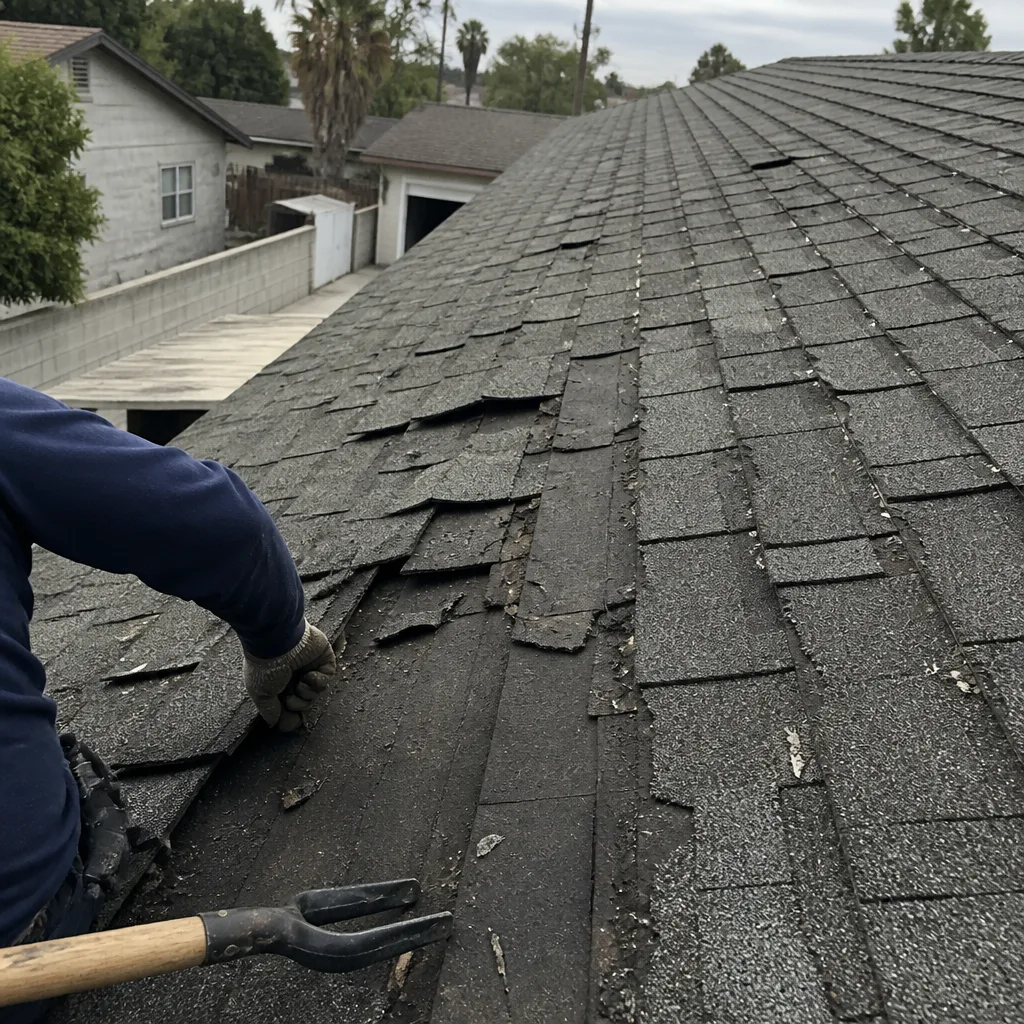
But repair has limits. If the shingles are granule-bare and curling across large sections, if the decking is soft in multiple locations, or if the roof is past its reasonable service window, patching becomes a treadmill. You fix one leak and another appears six months later. That’s when roof replacement in Inglewood is the financially rational choice, not because anyone wants to sell you a bigger job, but because repeated patchwork on a failing roof costs more over three years than one clean replacement. The way to know which situation you’re in is an inspection that tells the truth, and a contractor who has no financial incentive to tilt the answer either way.
Common Mistakes to Avoid
- Comparing Inglewood bids to national average calculators. Those calculators use labor rates that don’t exist in this market, and they’ll make every legitimate local bid look inflated. Compare your bids to other Inglewood bids, not to a national chart.
- Accepting the lowest bid without reading line items. The cheapest bid often omits the permit, substitutes non-Class-A underlayment, or leaves decking out of the scope entirely. Then the change orders start.
- Paying more than 10% upfront. California law caps residential contractor deposits at 10% or $1,000, whichever is less, for most residential work. A contractor asking for 30% down is operating outside the law.
- Skipping the permit. An unpermitted reroof in Inglewood creates problems when you sell the house, and it can void your insurance coverage. The permit isn’t optional; it’s the proof the work met code.
- Replacing a roof based on age alone. Roof age is a proxy, not a diagnosis. Some 20-year-old Inglewood roofs have years of life left; some 10-year-old roofs are done. Get an inspection before you decide.
- Not asking about the underlayment’s fire rating. This is the single most common substitution on Inglewood bids, and it can affect your insurance if there’s ever a fire claim.
- Assuming all contractor certifications are equal. “Certified” means different things for different manufacturers. Ask what the certification actually covers and whether it triggers an enhanced warranty.
See the difference
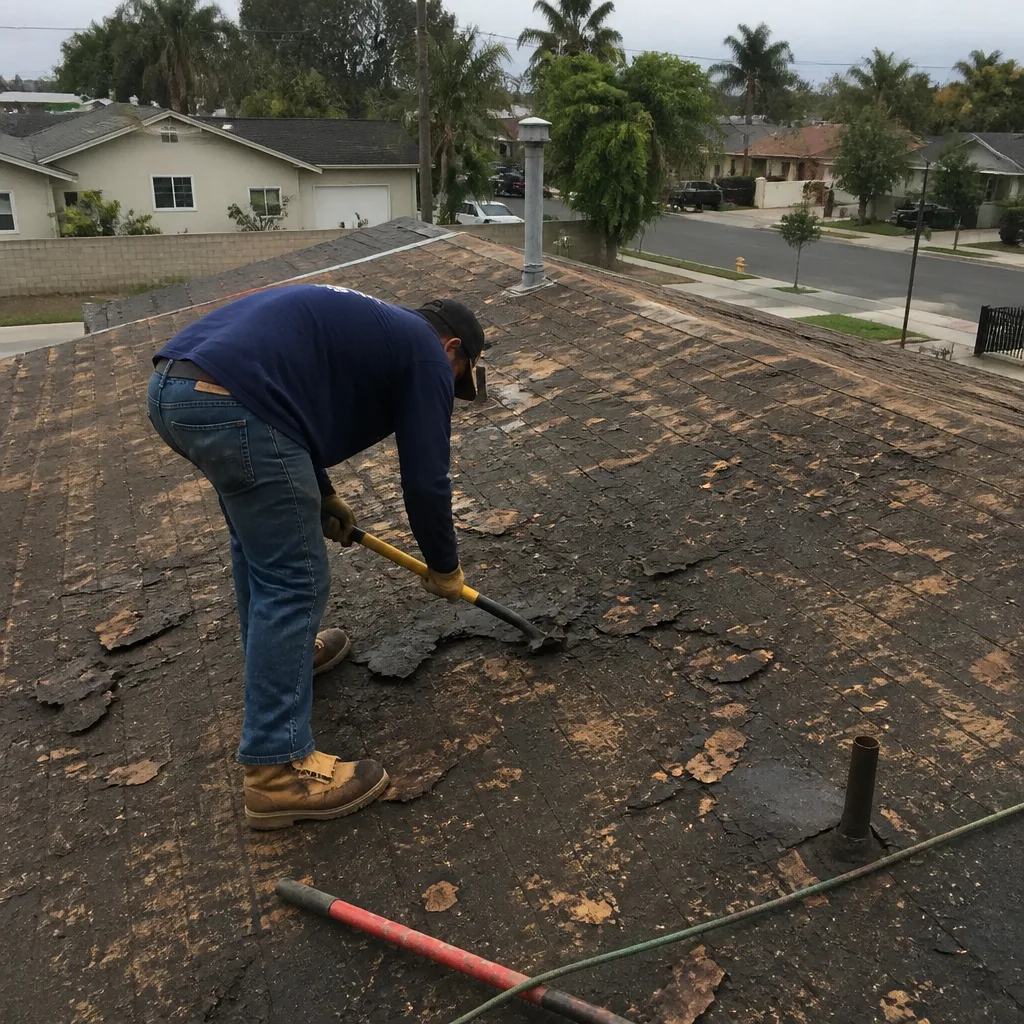 Before
 After
 Before
 After
 Before
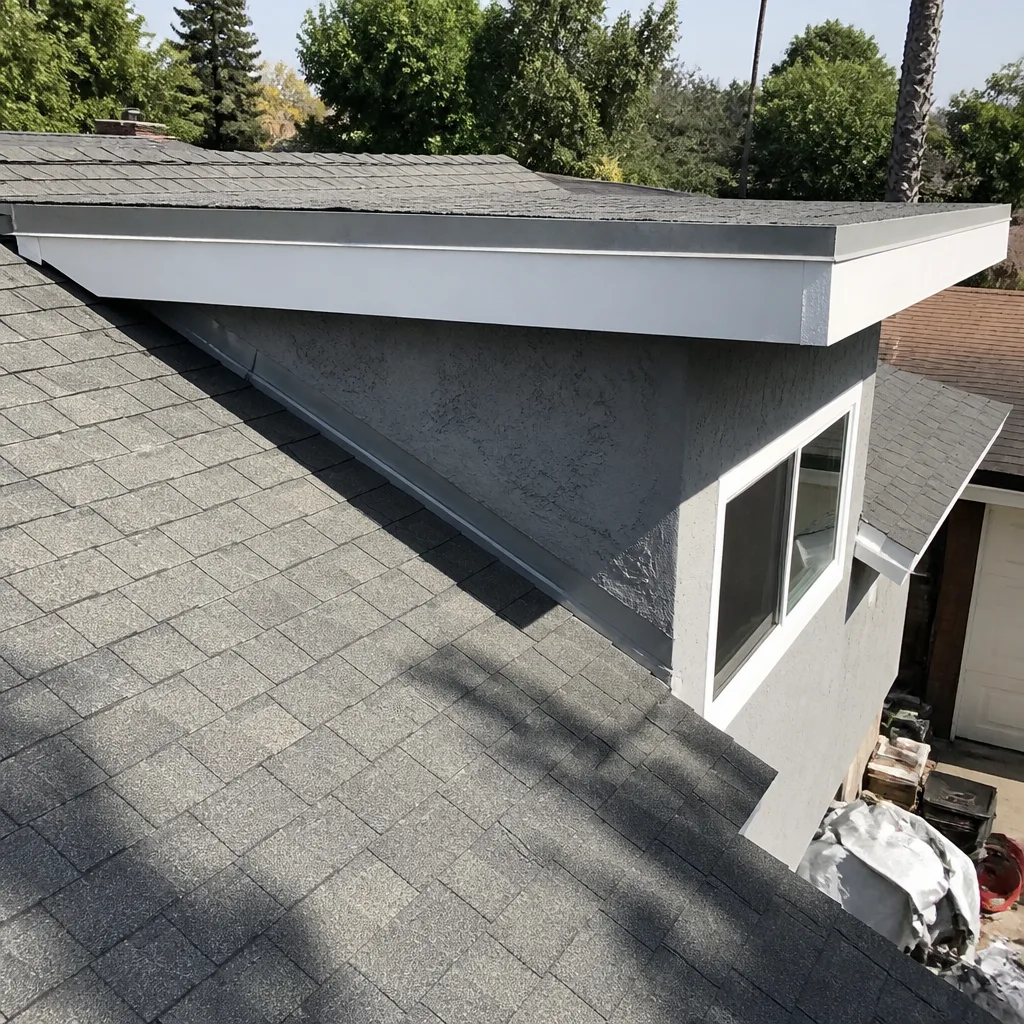 After
When to Call a Professional
If you see water staining on a ceiling, that’s a signal the leak has already worked through the roof assembly, and the damage is more extensive than the stain suggests. If you see shingles or tiles in the yard after a wind event, the roof’s water-shedding layer is compromised even if the decking hasn’t failed yet. If you’re buying or selling a home in Inglewood, a roof inspection protects you from inheriting a five-figure surprise. And if your roof is past 15 years old and you’ve never had it looked at, a professional assessment tells you whether you’re planning for a repair, a replacement, or several more years of service. Chatham Roof Repair offers free estimates in Inglewood. Call (866) 361-1724 and we’ll tell you what your roof actually needs, and what it doesn’t.
Frequently Asked Questions
A full asphalt shingle roof replacement in Inglewood runs $11,500 to $27,000 for a typical home, with most architectural shingle jobs landing between $13,500 and $19,500. Tile runs $22,000 to $45,000. Flat roofing systems run $9,000 to $18,000. The range reflects roof size, material choice, decking condition, and warranty level, not contractor markup games. Call (866) 361-1724 for an exact quote, free.
Labor is the driver. California workers’ compensation insurance, regional wage rates, and the cost of running a legitimate contracting business in the Los Angeles metro all exceed the national figures that comparison sites use. Add Inglewood’s specific permit and inspection requirements, and the local price is structurally higher. The national average is the wrong benchmark for this city.
Yes. Inglewood requires a building permit for roof replacement and for repairs above a threshold square footage. The permit fee runs $300 to $800 depending on job valuation, and the process includes scheduled inspections. Any bid that omits the permit line item is either planning a change order later or planning to skip the permit, and both paths create problems for the homeowner. Call (866) 361-1724 if you want a bid that handles the permit correctly.
Decking replacement runs $65 to $90 per 4-by-8 sheet, installed. Roughly 40% to 50% of Inglewood reroof jobs uncover decking that needs at least partial replacement, meaning a typical job adds $1,000 to $3,000 in decking costs. Inglewood’s older housing stock and coastal moisture pattern make decking issues more common here than in drier inland communities.
A standard installation carries a material warranty against shingle defects, typically 30 years to lifetime depending on the brand. A manufacturer-warrantied installation, performed by a certified contractor, extends coverage to include workmanship and typically runs 50 years. The premium in Inglewood is $1,200 to $2,500. It’s worth it if you’re staying in the home long-term; it’s less critical if you’re selling soon. Call (866) 361-1724 to talk through which warranty level makes sense for your specific situation.
Yes, if the roof’s remaining service life is substantial. Isolated leaks around pipe boots, flashing failures, small sections of damaged shingles, and punctured flat roof membranes are typically $350 to $1,800 repairs. A competent roofer diagnoses the specific source and fixes that, not the whole roof. The key is an honest inspection that tells you whether the roof has enough remaining life to make repair the rational choice.
The Bottom Line
Roofing costs in Inglewood in 2026 are not inflated. They’re priced for a market with high labor costs, strict code enforcement, and a housing stock that’s older and damper than the national norm. The roofs that cost the most are the ones bid without permits, without Class A underlayment, or without an honest decking contingency, because the change orders come later and the shortcuts surface sooner. The way to protect yourself is to read the line items, ask about the fire rating, and get a diagnosis before you decide on a repair or a replacement. If you want a straight answer about what your Inglewood roof actually needs, call (866) 361-1724 for a free estimate, or browse more guides & resources on protecting your home.
Written by the team at Chatham Roof Repair, serving Inglewood since 2016.